Tag: Retirement Communities

  • Choosing Assisted Living Facilities: A Guide

    Choosing Assisted Living Facilities: A Guide

    Do you know what an assisted living facility provides besides a place to live? Families looking for senior care need to check out many elder care services. These places help seniors with daily tasks but let them stay independent. This includes seniors with Alzheimer’s and other dementias1. This guide will help you understand how to pick the best assisted living place. We will talk about checking personal needs, costs, and rights of residents. This will help you make a smart choice.

    Key Takeaways

    • Assisted living fills the gap between home care and nursing homes, giving needed support without 24/7 nursing.
    • Mostly, it’s for seniors who need help with daily tasks, ensuring they keep their freedom and dignity.
    • They offer personal care, help with health care, and fun activities that fit each person’s likes.
    • The place’s location and look greatly affect how happy and well residents feel.
    • Knowing all about costs, contracts, and rights of residents makes for a sure and well-informed choice.

    Understanding Assisted Living

    Assisted living communities help seniors who want to be a bit independent. They help with daily needs while offering a community feel. Services include meals, cleaning, and personal care. Unlike nursing homes, they focus less on medical care. They aim to boost independence.

    Defining Assisted Living Facilities

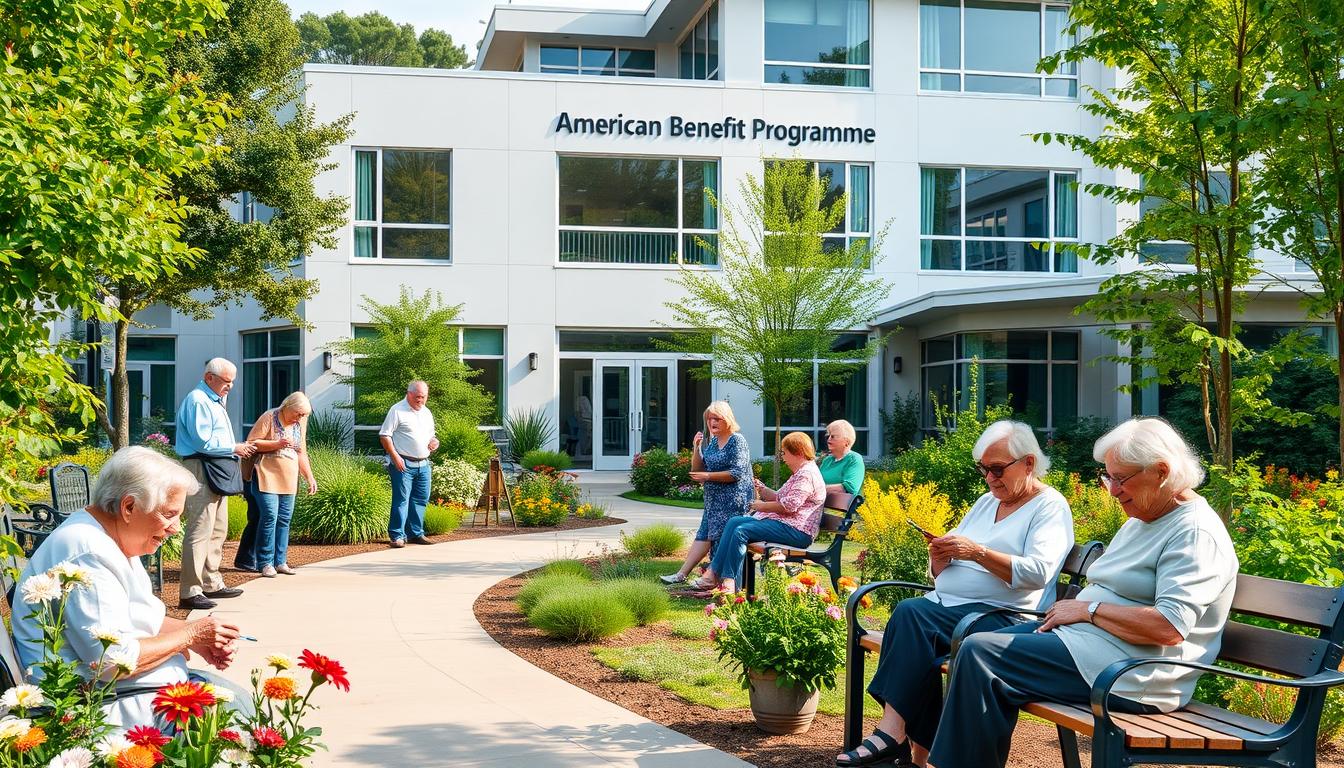
    These places can home 25 to more than 100 residents. They help with daily activities like dressing and eating. American Benefit Programme2 says they adapt to many care needs. Most seek companionship and a little help. They mix social life with some freedom.

    Differences Between Assisted Living and Nursing Homes

    Assisted living boosts independence; nursing homes offer full medical care. The U.S. had more assisted living places than nursing homes in 2012. This shows many prefer the lighter care of assisted living. It suits those not needing intense medical help.

    Assessing Individual Needs

    Choosing the right assisted living place begins by checking what the person needs. This step makes sure people get the right help for their needs. Before moving in, staff figure out what kind of help someone needs. This ensures they find the best long-term home3.

    Evaluating Levels of Care Required

    Different things are looked at to understand care needs. Places like HarborChase of Naples offer care from Basic to Level 3 for lots of support4. They look at daily living tasks, long-term sicknesses, medicine, and if someone can move around easily. They talk to the person and their care team to know exactly what is needed4.

    Considering Personal Preferences and Lifestyle

    What a person likes is also important in finding care. Most people over 65 will need some long-term help. It’s key to think about how they want to live and the place’s vibe5. They look at if someone is social, what makes them feel safe, and how they want to live. They make sure the place fits what each person wants5.

    Services Offered in Assisted Living Facilities

    Assisted living places help people live better every day. They offer many services that help residents stay independent and make friends.

    Personal Care Services

    In assisted living places, personal care is a big deal. People get help with things like bathing, dressing, and taking medicine. This helps them live well. Caregivers are there all day and night to help. They also do laundry and clean, making life comfy67.

    Healthcare Support and Coordination

    Health care is key in assisted living. Nurses are there all the time to care for everyone8. They help schedule doctor visits and offer special health programs. This helps residents stay healthy. Every resident has an emergency call system for safety and peace of mind7. Good health care means residents get their medicine right and are checked often.

    Recreational Activities and Dining Options

    Fun activities are important for health. Assisted living places offer lots of social activities, exercise, and wellness programs7. They serve three meals a day in a place where everyone can eat together. This helps residents make friends during meals. They also make special meals for those who need them8.

    The Importance of Location

    Finding the best place for assisted living is key to improving life quality. Being close to family and doctors is important. It helps seniors stay connected and get medical help quickly. This is very important for those with ongoing health issues who need regular care9.

    Proximity to Family and Healthcare Providers

    Being near family helps make strong relationships. This can make residents happier and improve their mental health. Living close to hospitals gives peace of mind to both the elderly and their families9.

    Accessibility and Community Resources

    It’s important to choose a place that’s easy to get around. The social activities and services available can really affect how residents live. If a facility feels like part of the community, it can offer more things to do like going to the gym, borrowing books from the library, or eating out10

    Feature Importance
    Proximity to Family Enhances social interaction and emotional support
    Access to Healthcare Ensures timely medical intervention for seniors
    Community Amenities Contributes to overall well-being and satisfaction
    Accessibility Facilitates easier movement and independence for residents

    Having good access and community features is key. It helps create a lively and caring place to live11.

    Researching Potential Assisted Living Facilities

    Start looking for the right assisted living place by doing deep research. You can learn a lot and see many options by checking out different sources. It’s good to use the internet and ask people who know a lot about this.

    Using Online Directories and Resources

    Web directories are very helpful when checking out assisted living spots. Sites like A Place for Mom and SeniorAdvisor have lots of reviews and info. They list about 28,900 places in the U.S., giving you many choices12. They also tell you the average cost is $5,551 a month in 2024. But, prices change based on where you are and what services they offer13.

    By using these websites, picking the right place becomes easier. They show you how clean the place is, the kind of help they give, and more.

    Seeking Recommendations from Healthcare Professionals

    Asking for advice from health experts is a smart move. Insights from family, friends, and coworkers are really precious. About 83% of people believe in such advice for services like assisted living12. Doctors and nurses often know about the best places for great care.

    When you add this to your web research, it helps to narrow your choices. It makes sure the places you’re looking at have top-notch care for elders.

    Visiting Assisted Living Communities

    Visiting assisted living places helps you see what they’re like. Look around at shared spaces to see if they’re clean. Clean places mean a nicer home for everyone14. Watch how people living there and the staff talk to each other. This shows if people are happy.

    Assessing Cleanliness and Atmosphere

    Check for safety stuff like handrails. They keep everyone safe and comfy14. Clean rooms and eating spots make life better.

    Evaluating Staff Interaction and Resident Satisfaction

    Seeing how staff talk to people living there tells you about the care. Enough staff means everyone gets good attention15. But, too many new staff might be a worry14. Talking to the staff lets you ask about care and if there are nurses14.

    Seeing these places yourself helps you choose the best spot for family. Seeing if there are fun activities and nice things to do matters. This makes sure they’ll be happy.

    visiting assisted living

    Understanding Costs and Contracts

    It’s important to know about the money part of assisted living for families looking at these choices. The first base fees, covering things like utilities and cleaning, change a lot by place and room type. These fees show the living area and the included features and services. When looking at the total assisted living costs, other care services needed monthly can make costs go up a lot.

    Base Fees and Additional Charges

    Most places have different price levels based on the care a person needs. For help with everyday things, costs can go from hundreds to thousands a month16. Know that extra fees for special services like handling medicines may add up fast. Many homes also ask for fees upfront, like deposit fees, with little chance to get money back16.

    Insurance and Financial Options

    Insurance and financial options are very important for planning assisted living. Long-term care insurance helps pay for these costs, giving families some money relief16. Medicaid helps those who qualify, but knowing if a place is approved is key because it affects coverage a lot. Medicare doesn’t pay for assisted living, only care from skilled nurses when needed16. Reading contracts well, especially about ending terms or being asked to leave, is good17.

    Looking over contracts well before signing is smart. It helps understand and find any future problems. Planning lets families talk about rising living costs in contracts. It makes sure the place fits their care needs as things change17.

    Residents’ Rights and Expectations

    People living in care homes have certain rights. These rights help them feel respected and free. They help make a caring and supportive place for both them and their families. Care homes must respect these assisted living rights. Families should talk about their staff expectations to keep things nice and respectful.

    Understanding Personal Rights in Assisted Living

    The 1987 Nursing Home Reform Law helps protect personal rights in assisted living18. This means everyone gets treated the same and can join in activities. Residents can handle their money and make personal choices19. They also get to keep their things and have their privacy. Care homes must tell residents about their health. This lets residents help make choices about their care19.

    Expectations for Staff Interaction and Care

    Families should be clear about what they expect from staff. It’s important that staff talk nicely and support the residents well. Care homes need to tell families if anything changes with their loved one. This is so families always know what’s happening19. Residents deserve a safe and private place to live. They should feel free to make their own choices18.

    Rights of Residents Expectations from Staff
    Right to manage personal finances Provide transparent communication
    Right to privacy and personal belongings Respect individual choices and autonomy
    Right to participate in care decisions Offer prompt notifications of changes
    Right to refuse visits Ensure respectful interactions

    Understanding these rights makes a place where people feel respected and important19. It builds good relationships between the residents and staff. Following these rules makes living in assisted care places better for everyone.

    Monitoring and Adjusting Care Needs

    Senior care facilities work hard to give the right support. They check on residents often to keep them well. By monitoring care needs, they can change care plans when needed. This keeps care top-notch as elders’ health changes. Places like Central Scottsdale Assisted Living keep a close eye on health. They do full health checks and think about what each person needs20.

    Regular Assessments of Care Requirements

    It’s important to always check on care needs. Places need to look at all parts of care, like health, food, and mind. They use cool tech to watch health closely. This helps them change care plans fast. It helps people feel more free and part of the community20. Westmont of Cypress makes care plans just for you. They make sure you get all the care you need21.

    Encouraging Family Involvement in Care Plan Updates

    Family involvement in care plans makes care better. Places like Westmont of Cypress work with families. They listen to what families say about care. This helps everyone talk better about care. Families know what’s going on. This makes everyone trust and like the care more21.

    Facility Approach to Monitoring Family Engagement
    Central Scottsdale Assisted Living Routine health monitoring and comprehensive assessments Encourages open communication
    Westmont of Cypress Personalized care plans and regular evaluations Involves families in decision-making

    Transitioning to an Assisted Living Facility

    Moving to assisted living is a big change. Getting ready is key to a smooth shift. Knowing a few things can help everyone feel better about this move.

    Preparing for the Move

    First, think about what to take along. Big furniture might not fit in the new, smaller space22. Going through belongings can be tough. It helps to have family and friends pack with you22. It’s good to know what the place suggests you bring before moving22.

    Supporting Residents During the Adjustment Period

    The time after moving can feel hard. People might feel stressed or sad at first22. Being there to listen and support is really important. Joining in events and making friends helps with getting used to the new place22.

    It’s better for family to support rather than decide for the resident22. Talking to friends or a pastor can also comfort the person moving22. Staying hopeful and patient makes a big difference in their adjustment.

    transitioning to assisted living

    Looking at these key moving and adjusting steps can make the journey smoother.

    For more advice on moving to assisted living, see this detailed guide22.

    Conclusion

    Choosing the right assisted living is key for our loved ones’ happiness as they get older. With the number of people over 65 expected to hit 1.5 billion by 2050, we need good care solutions. These should help them live well and stay independent23. By looking at what each person needs, learning what services exist, and talking openly with the staff, families can make better choices.

    Studies show that seniors in assisted living often go to the hospital more and have more health issues than those who live on their own24. So, think about what makes your loved one happy and their way of life. This can lead to finding a community that boosts their spirit. Tools that measure quality of life can also point families to the right place for their loved ones.

    Finding an assisted living community can seem hard, but a clear plan can make it easier. This way, seniors can live in a place where they feel cared for yet remain free. It’s important to keep checking and making changes to make sure they have the best experience in their new home23.

    Source Links

    1. Planning Ahead: A Consumer’s Guide to Nursing Facilities
    2. Long-Term Care Facilities: Assisted Living, Nursing Homes, and Other Residential Care
    3. Understanding Senior Living Assessments | Where You Live Matters
    4. Needs Assessment: The First Step When Moving to Senior Housing
    5. Needs Assessment: A Guide to Understanding Senior Care
    6. What Does Assisted Living Provide for Residents?
    7. Assisted Living Facilities – HelpGuide.org
    8. Do Assisted Living Communities Provide Medical Care Services?
    9. Role of Location in Choosing Assisted Living
    10. The Importance of a Florida Senior Living Facility – South Coast Improvement Company
    11. Why Location Matters | The Ridge Senior Living
    12. How to Research Assisted Living Facilities – Research Checklist
    13. A 2024 Guide to Finding an Assisted Living Community
    14. Questions to Ask Assisted Living Facilities When Touring
    15. Visiting an Assisted Living Facility: A Checklist – Freedom Pointe
    16. The Cost of Assisted Living: What You Need to Know
    17. Assisted Living Resident Contracts: What You Need To Know
    18. National Consumer Voice
    19. Your Resident Rights and Protections
    20. Wellness Checks and Routine Health Monitoring in Senior Communities
    21. Monitoring Care Quality in Assisted Living – Westmont Living
    22. PDF
    23. Quality of life in assisted living facilities for seniors: A descriptive exploratory study
    24. Health Outcomes From Assisted Living Facilities: A Cohort Study of a Primary Care Practice
  • Choosing Senior Housing Options: A Guide

    Choosing Senior Housing Options: A Guide

    Choosing the right senior housing is big. It really affects our happiness as we get older. There are many places to consider like retirement homes and assisted living. Did you know most people over 65 will need long-term care? That’s why it’s important to think about health, what you need, and money before deciding1.

    People start thinking about retirement homes at ages 55, 62, and 65. But many don’t know about the great communities out there for active seniors2. Having friends and being social is key to feeling happy and fulfilled. This guide will help shine a light on all the choices for a good life2.

    Key Takeaways

    • Knowing about different housing options for seniors is key to well-being.
    • Retirement communities are mainly for healthy, active older adults.
    • Your health and how much money you have play a big part in choosing where to live.
    • Having friends and socializing is very important for seniors’ happiness.
    • Knowing when you can move into these places helps you plan better.

    Understanding Senior Housing Options

    Looking for the right home for the golden years is important. There are many choices for senior housing. Each type caters to different needs. From living on your own in vibrant places to getting special care in assisted living.

    Types of Senior Housing Available

    Seniors have lots of options to fit what they need. Here are some you can find:

    • Independent Living Communities: Perfect for active seniors who need little help.
    • Assisted Living Facilities: Help with day-to-day tasks for those who like some independence.
    • Memory Care: Special places for people with memory issues, providing safe, specialized care.
    • Nursing Homes: Offer full-time medical care for those who need constant help.
    • Continuing Care Retirement Communities: Let residents change care levels as needed over time.

    To join independent living, you must be at least 62 and earn less than half the median income in your area3. You might pay up to 30% of your income for rent.

    Importance of Assessing Individual Needs

    Choosing the right senior housing means looking at personal needs closely. Health, life preferences, and the kind of community you want matter a lot. For example, assisted living offers many services like help with medication, meals, and daily tasks. This might be best for those who need more support4.

    In Michigan, lots of older adults choose assisted living for its full care tailored to each person3.

    In the end, think about your needs to make the best choice for a good life in the senior years.

    Retirement Communities: A Vibrant Option

    Retirement homes are great for active seniors. They offer key services and help seniors meet friends. These places prioritize socialization opportunities.

    Benefits of Living in Retirement Communities

    5Many seniors live in retirement communities, the 2020 census says. They get to do fun activities. These keep them fit and their minds sharp6. Living this way makes life better for them.

    Activities and Socialization Opportunities

    These places offer many chances to make friends. Seniors enjoy group trips, exercise classes, and craft sessions. Being part of these events helps them connect with others.

    Exercise keeps seniors healthy and happy6. They feel more included. It helps them enjoy this part of life more.

    Exploring Independent Living Communities

    Independent living communities are for people who want to stay social and free from home upkeep. They are mainly for adults 55 and older who need little help with daily tasks. These places are great for seniors wanting community life without the hassle of house maintenance.

    Ideal Candidates for Independent Living

    These communities fit seniors who love being active and social but don’t need much care. They are healthy and like making friends with other seniors. The U.S. Department of Housing and Urban Development helps low-income seniors live here7. There’s always someone on staff to help in emergencies7. This gives residents peace of mind to enjoy their time.

    Common Amenities in Independent Living

    Independent living places have many services to make life better. They offer:

    • Onsite dining options offering daily meals
    • Housekeeping services
    • Recreational activities such as arts and crafts, fitness programs, and continuing education classes
    • Beauty salons and spas on-site for convenience

    Some places have events to help residents meet and avoid feeling alone7. Rent can be from about $1,650 to $16,000 a month. This depends on where it is and what it offers8. These communities give a fun lifestyle with chances for growth and making friends.

    Amenities Description
    Dining Options Onsite dining with meals included
    Housekeeping Regular cleaning and maintenance services
    Activities Arts, crafts, education classes, fitness programs
    Emergency Assistance 24-hour staff available for emergencies
    Additional Services Beauty salons, spas, and wellness programs

    Independent living gives a mix of freedom and community. It lets residents do well in a caring place without upkeeping a house8.

    Assisted Living Facilities: Finding Support

    Assisted living facilities help seniors with daily tasks. They provide services to improve life and independence. Residents get help with meals, baths, and meds. This makes sure they’re well cared for in a good place9. These places are great for those who need some help but not full-time medical care.

    What Services are Offered in Assisted Living?

    Assisted living facilities have many services for residents. They help with:

    • Everyday tasks like cooking, cleaning, and personal care
    • Managing medications to ensure they’re taken right
    • Social activities that bring people together
    • Emergency help when it’s needed fast

    They also offer rides to doctors and fun outings. The cost can be over $4,000 a month, a big amount for families10.

    Choosing Assisted Living for Personal Care Needs

    Choosing the right place requires looking at care needs. Important things to think about include:

    • How much medical help is needed
    • If special services like memory care are available
    • What amenities and social events are there
    • How close it is to family and friends

    It’s key to find a place that fits the person’s needs. With help from HUD, the cost can be easier to handle10.

    Nursing Homes: For Comprehensive Care

    Nursing homes are very important for people with serious health needs. These places give comprehensive care. They offer more health and personal services than other living options. People living here get help from nurses all day and night.

    Key Features of Nursing Homes

    Nursing homes stand out for many reasons:

    • 24/7 Medical Supervision: Trained professionals give constant care. They are always there to help if health issues come up.
    • Rehabilitation Services: Many offer programs for getting better. These may include physical therapy.
    • Personalized Care Plans: They create care plans for each person. This means the support and services match what each person needs.

    Nursing homes offer many skilled nursing services, mainly focusing on medical care11. Unlike assisted living, they give intense help for those who really need it11.

    Who Should Consider a Nursing Home?

    Certain people should think about nursing homes:

    • People with ongoing health problems or disabilities
    • Those who need help getting better after the hospital
    • People who often need medical care or therapy

    Though nursing homes can be expensive, they offer full care for those with big health needs12. Families should look at money matters and care needs together.

    Understanding nursing homes helps families choose well for their loved ones1112.

    Memory Care Options for Specialized Needs

    Memory care facilities are designed for seniors with Alzheimer’s or dementia. These places focus on safety and improving life quality for those with memory issues13. Around 70% of people over 65 will need care for memory loss. The need for such specialized care is increasing.

    Understanding Memory Care Facilities

    Memory care places have more staff for each resident. This means everyone gets the help they need13. The average monthly cost is about $6,200. This is due to the extra care and supervision provided.

    These facilities operate all day and have secure entrances. They provide special therapies for memory loss, aiming to improve mental health13.

    Programs Tailored for Dementia Patients

    Programs here are built around structure and sensory activities. With music, art, and pet therapy, they keep the mind active13. The design of these places reduces confusion. They also ensure emotional and physical support is always there.

    This support includes rights like having visitors anytime and choosing essential caregivers14.

    memory care options

    Aspect Memory Care Assisted Living
    Staff-to-Resident Ratio Higher Lower
    Average Monthly Cost $6,200 $4,995
    Care Provided 24-hour supervision, memory-enhanced therapies Room & board, activities
    Types of Activities Structured, tailored to memory loss Variety of interests, social outings

    Choosing the right memory care option helps ensure safety and a good life. It’s important to pick the care that understands their unique needs13.

    Continuing Care Retirement Communities Explained

    Continuing Care Retirement Communities (CCRCs) offer a way for seniors to live in one place as they age. These places give seniors different kinds of help, from living on their own to getting special care. They can stay in the same community even if their health needs change15. This makes them feel secure and helps them make friends.

    The Concept of Aging in Place

    CCRCs let people grow old without having to move when they need more help. This way, seniors don’t have to go through hard moves. They can get the right care as their health changes, all in the same place1617.

    Long-Term Preparedness for Residents

    CCRCs help seniors get ready for the future. They have different payment plans for different budgets. This helps seniors prepare for medical costs ahead16. The starting fee for a CCRC is about $402,00017. Every month, people pay $3,000 to $5,000 depending on their needs17. Seniors often live independently for 10-12 years before they need more care16. This way, they know they will be taken care of as they get older.

    Senior Apartments: Affordable Living Choices

    Senior apartments offer affordable homes for older people. They have dining, social events, and transport made for seniors. It makes life better for them.

    Benefits of Senior Apartments

    People 62 or older who earn less than 80% of the median income can live in senior apartments. They pay about 30% of their income for rent. This helps manage their money better18. These places are run on small budgets. They have just enough staff to help and keep things running18.

    Flexible Payment Options Available

    Senior apartments have different ways to help with rent. The Section 8 Program helps seniors get vouchers for rent. Another program, Section 202, helps those with very low incomes19. This help is important to make sure seniors don’t spend too much on housing19.

    Community Type Average Rent Eligibility Requirements
    Senior Apartments 30% of income Age 62+, income below 80% AMI
    Section 8 Housing Subsidized Varies by local agency
    Section 202 Supportive Housing Subsidized based on income Aged 62+, very low income

    Senior apartments are a great choice for affordable living. They offer many services and ways to help pay. This is good for seniors18.

    Exploring Senior Cohousing Communities

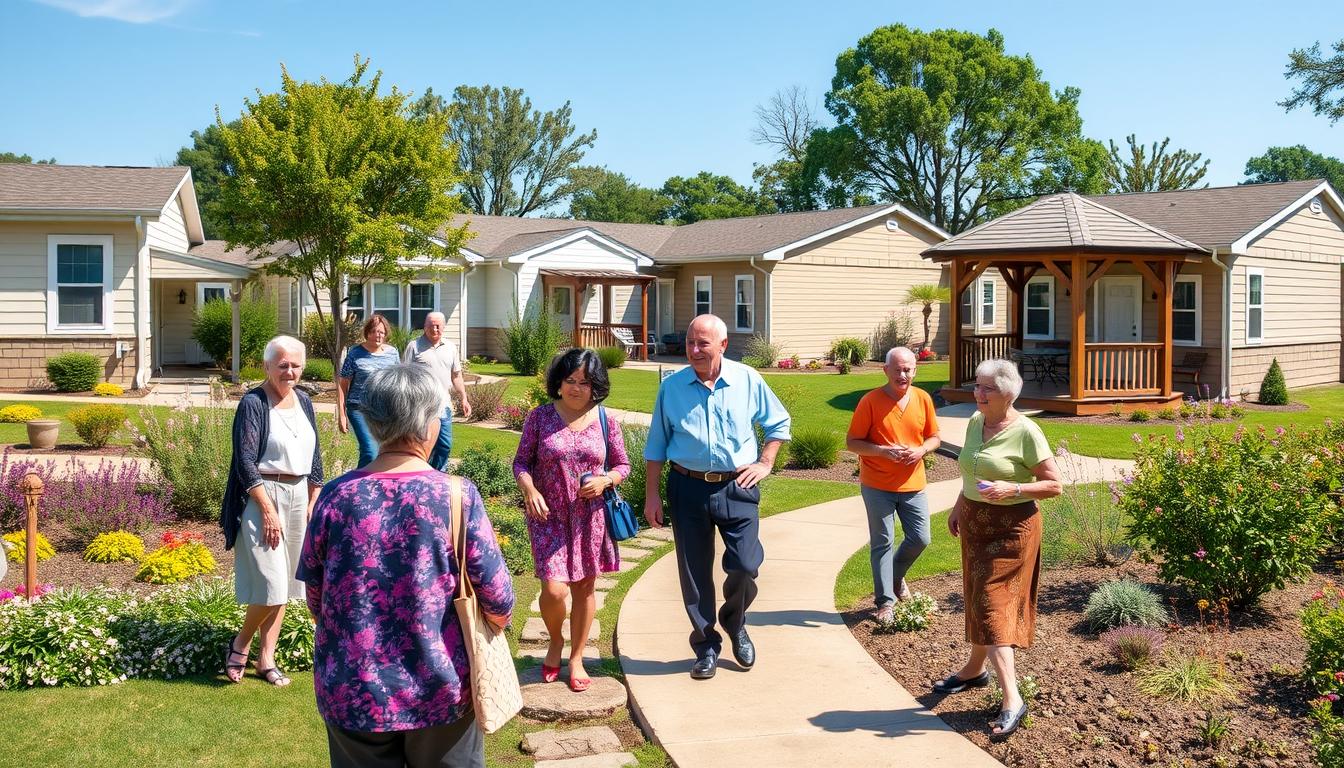
    Senior cohousing communities offer a new way to live for older adults. They mix independence with support. These places are for those 55 and up. They promote doing things on your own and together. Between 20 to 40 houses make up a community. They encourage feeling at home and working together2021.

    Characteristics of Senior Cohousing

    Members run their senior cohousing communities. They make decisions together. This makes their bond strong. The community has places to gather and things to share. This helps people connect and stay active. Being lonely can harm your health as much as smoking. So, these connections are very important for health20.

    Community Involvement and Shared Resources

    Being part of the community is key in cohousing. It keeps everyone involved and up-to-date. There are meetings and events, even online chats every month. This makes supporting each other easier. There are also groups for LGBTQ elders. They create safe and welcoming places for everyone21.

    Choosing the Best Senior Housing Options

    When picking senior housing, thinking about health, lifestyle, and money matters is key. Decision factors like these guide families to the right choice. They make sorting through the many options easier.

    Factors to Consider When Making a Decision

    Start by looking at what the elder needs. Some seniors prefer living on their own but with help nearby. They might like places where they can get help with daily tasks22. The cost for places like this can be around $4,300 a month23.

    Being around others and making friends is also important. It keeps the mind happy and healthy.

    Importance of Communication with Family and Caregivers

    Talking openly with the family helps in making good housing choices. It’s good to share what everyone thinks and needs. Talking about money is really important too because there are housing options that don’t cost a lot24.

    Everyone should agree on what’s best for the senior. The choice should match what the elder can do and wants.

    choosing senior housing options

    Housing Type Features Average Cost
    Independent Living Autonomy, social activities, various amenities Varies widely
    Assisted Living Daily task assistance, prepared meals $4,300/month
    Nursing Home Skilled care, 24/7 support $7,756 – $8,821/month
    Home Care Services Daily living assistance in the home Varies

    Thinking about these things will help find the best place for seniors to live22.

    Conclusion

    The choices for senior housing are vast and made to fit different needs. Places like retirement communities have fun social events. Assisted living offers help with everyday tasks for seniors25. It’s key for people to think about what they need when choosing where to live. They also should look at the costs. Some places have help for people with less money, like the Section 8 Program26.

    There are many kinds of housing for older adults. For example, independent living has apartments and cottages for seniors25. These places are good because they let older people stay independent but still get help when needed. Being part of a community helps them make friends and feel better. Planning ahead helps seniors find a good place to live as they get older.

    Choosing the right place to live in old age is very important. It’s about knowing what you need. Talking with your family and those who take care of you helps. Using the resources out there, seniors can live a happy and safe life. They can make choices that make their life better.

    Source Links

    1. Senior Housing Options – HelpGuide.org
    2. Senior Housing Options and Retirement Guide | SeniorLiving.org
    3. Senior Housing: Understanding Your Options | AgeWays
    4. Understanding Senior Housing Options as You Age
    5. Exploring the Different Types of Senior Living Options
    6. Vibrant & Active Senior Living
    7. Independent Living for Seniors – HelpGuide.org
    8. What Is Independent Living for Seniors? Types and Costs | Mulberry Health
    9. Senior Living Options: What Retirement Housing Options are Best?
    10. Affordable Assisted Living Options for Low-Income Seniors
    11. Long-Term Care Facilities: Assisted Living, Nursing Homes, and Other Residential Care
    12. ALF vs. SNF: Which Meets Your Care Needs? | Atria Senior Living
    13. Assisted Living vs. Memory Care: 5 Key Differences
    14. A Deep Dive into Navigating the World of Senior Housing – Best Assisted Living & Memory Care in Tampa Bay | Angels Senior Living
    15. What Is a Continuing Care Retirement Community?
    16. Continuing care retirement communities in the United States
    17. Continuing Care Retirement Communities | What is a CCRC?
    18. PDF
    19. How to Find Affordable and Low-Income Senior Housing in 2024
    20. Senior Cohousing – Cohousing Association of the United States
    21. Senior Cohousing | Elder Cohousing Networks and Communities
    22. Choosing the Right Senior Housing Solution | Resources | Everleigh
    23. Understanding Senior Living Options
    24. Your Guide to Senior Housing Options|Clarksville
    25. What Is Senior Housing (And Why Is It So Popular) – IPG
    26. Senior Housing Assistance: A Comprehensive Guide for Older Adults – Resource for Seniors and Caregivers | SeniorSite