
Tag: Memory care facilities

  • Finding Quality Memory Care Services Easily

    Finding Quality Memory Care Services Easily

    Did you know nearly 16 million people help care for those with Alzheimer’s in the US1? This fact shows how important it is for families to find good memory care. Understanding your choices is the first step to helping those we love on this journey.

    Here, we’ll talk about why it’s important for memory care places to be certified. We’ll also look at different types of memory care. And we’ll discuss why care that fits each person matters. Almost 60% of caregivers feel very stressed. It’s key to find services that make life better for people with dementia1. With the right info and help, you can find great memory care.

    Key Takeaways

    • Understanding the unique challenges families face in caring for loved ones with dementia.
    • The significance of certification for quality memory care facilities.
    • Exploring various memory care options, including assisted living and nursing homes.
    • The impact of personalized care on residents’ well-being.
    • Resources available to assist in finding the right memory care services.

    Understanding Memory Care Services

    Memory care services help those with dementia and big memory loss. These services are in special memory care facilities. They make a safe place for residents. They get the right kind of help every day. Places like these have private rooms and fun activities like art and staying fit. This makes living there good for people2.

    Memory care units can be part of bigger care places or on their own. They have living spaces that feel familiar and comfy. They also have cool things like personal memory boxes and always-there security. This helps keep everyone safe and happy2.

    When families need help for memory loss, they should know some numbers. About 15% of nursing homes and 14% of assisted living spots have special dementia care. Knowing this helps pick the right place. Memory care can cost about $6,935 each month. This is important for budget planning3

    Memory care places offer fun activities that help the brain. Things like music or games are important. They help folks think better and enjoy time with friends. It’s key for families to really think about what their loved ones need. They want to choose a place that is just right for them.

    What is Dementia and How Does it Affect Care Needs?

    Dementia describes many mind disorders. Alzheimer’s is the most common, making up 60-80% of cases4. As people get older, the chance of getting dementia grows. By 85, about one in three may have it5. This condition makes thinking and daily tasks hard, leading to large care needs as it gets worse4.

    Other kinds of dementia include vascular dementia, the second most usual type4. Signs of dementia are forgetting things, getting mixed up, struggling with everyday chores, and big changes in how one acts. These affect how much care someone needs5. As dementia moves forward, the help needed changes. Early on, a person might need a little help. Later, they might need help with everything4.

    Finding out if someone has dementia is hard. It takes a lot of checks, like looking at health history and brain tests4. Some causes of memory problems can be fixed, like issues with the thyroid or not enough vitamins4. Thus, knowing the exact type of dementia and its signs helps in giving the right care.

    The Importance of Certification in Memory Care Facilities

    Certification in memory care ensures high-quality standards for residents with memory problems. Such facilities work hard to meet the special needs of people with Alzheimer’s or dementia. Their goal is to make a place where residents can do well.

    Memory Care Certification Explained

    The Joint Commission Memory Care Certification started in 2023 with the Alzheimer’s Association. It focuses on caring for people with memory issues6. This program praised living communities that provide strong care, celebrating the life habits and choices of residents. It looks at how well staff know about the care, how care is coordinated, and how the place is set up to keep residents safe and independent6.

    Joint Commission Memory Care Certification

    This certification means having special care that matches what residents need. It prefers using activities and support instead of drugs for managing behaviors6. Changes are made to the living areas to avoid confusion and to keep it safe. This shows they keep up with the best ways to care for memory problems during their regular checks6.

    Types of Memory Care Options Available

    Families looking at memory care will find different choices. This is important for different stages of memory loss. Knowing the difference between assisted living facilities, nursing homes, and group homes helps. Each has its own setting and level of care.

    Assisted Living Facilities

    Assisted living places help those with memory problems live with some freedom. They help with everyday needs like meals, medicine, and making friends. The cost is usually about $6,935 a month. Yet, this can change based on where it is and what they offer7.

    Nursing Homes

    Nursing homes give more medical care and watching over. They’re good for people needing lots of medical help. The average cost is about $10,562 a month. This cost shows the high level of care and the differences in each state7.

    Many also help those with severe dementia or similar illnesses.

    Group Homes

    Group homes are cozy and have fewer people. This means more personal care and a homey feel. They’re great for those liking small groups. Group homes offer community for different memory loss stages.

    Why Personalized Care Matters

    Personalized care is very important for people with memory loss. It helps them feel special. Caregivers make support plans that match each person’s likes and needs. This kind of care helps everyone feel they belong and are part of a community.

    Tailored Memory Support Programs

    To meet everyone’s needs, tailored memory support programs are key. They assess each person to make custom care plans8. For example, the Baptist Retirement Community offers special services. These include help with daily tasks and wellness checks9.

    This kind of care uses technology to spot health risks early. This helps improve health and bring a better life to residents8.

    Engaging Memory Care Activities

    Activities that engage the mind are important. Music and art therapy help improve the mind and lower stress8. Adding personal touches to living areas helps residents connect with each other. This makes life better for them and their families8.

    By 2025, custom care for seniors will likely be the new norm. This change will make sure services are more personal in memory care9.

    Program Features Benefits
    Individualized Care Plans Customizable support to meet unique needs
    Memory Care Activities Stimulate cognitive functions and encourage social interaction
    Predictive Health Technologies Early identification of health risks and improved outcomes
    Personal Displays Foster connections between residents and families

    In summary, personalized care, tailored programs, and fun activities truly make a big difference. They brighten the lives of those with memory loss89.

    How to Identify Quality Memory Care Services

    When looking for good memory care, several things matter. Staff qualifications are key. Facilities need certified nurse aides, registered nurses, and more. They also need nurse practitioners and physician assistants10. How many caregivers per resident is important too. Usually, it’s one for every five or six people11.

    Check the place for safety. Make sure it’s secure and easy to get around. The best places often have waiting lists. This means many people want to go there11.

    See how staff treat the residents. Nice treatment means a happy place. Ask about different therapies they offer. This shows they care about all parts of health10.

    Talking to agencies or the Alzheimer’s Foundation can help find good care. It’s normal to feel sad about choosing care11. But these steps can guide you well.

    identifying quality memory care

    Utilizing Resources for Finding Memory Care Services

    Finding good memory care services can be hard. Reliable resources make the search easier. They help find care that fits individual needs. The Alzheimer’s Association and local groups are big helps.

    Alzheimer’s Association Community Resource Finder

    The Alzheimer’s Association Community Resource Finder is very helpful. It makes finding the right services easier. People can find many places that meet high standards. This eases the stress of making a big decision.

    Local and National Nonprofit Organizations

    Many groups besides the Alzheimer’s Association offer help, too. They give out information and support. They help families understand their choices. They also connect families to health providers and help with unique challenges.

    Using these resources gives families more confidence. The Alzheimer’s Association and local groups better the search. This leads to finding needed programs and services12.

    Financial Considerations for Memory Care Services

    It’s important to know the costs of memory care when planning for this big change. Many families find paying for memory care hard. They use money from savings, Social Security, and other places like stocks or retirement funds13.

    Looking at home equity is common for families. They might sell or rent out their home. Or, they use reverse mortgages for extra money. Long-term care insurance is also an option, but what it covers can vary13.

    Medicaid might help pay for some services, but it won’t cover living costs. This only works if families fit into certain programs13. The VA helps senior veterans with money for memory care, showing why it’s key to check all choices13.

    Talking to financial experts or senior living advisors is smart. They can guide families to the best ways to pay for memory care services.

    For those over 65, Medicare is the main health insurance. But, look at private insurance or work plans to save money14. Flexible spending accounts can also save about 20 to 30%. It’s crucial to explore all money sources for memory care costs14.

    Visiting and Evaluating Memory Care Facilities

    When families start looking at visiting memory care facilities, gathering info is key. They must ensure their loved ones get the best care. Evaluating these places might seem tough. Yet, the right questions help see what’s offered. A visit lets one spot quality care signs crucial for well-being.

    Key Questions to Ask During Visits

    Before choosing, families should ask some important questions:

    • What specific training does the staff receive in dementia care?
    • What is the staff-to-resident ratio?
    • How does the facility handle difficult behaviors presented by residents?
    • What emergency protocols are in place?
    • How long has the facility been providing care for its residents?
    • Are there hospice services available if needed?
    • What initiatives are in place for resident well-being and adaptation to the facility environment?

    Signs of Quality Care in a Facility

    Spotting quality care signs during a visit is crucial. Families should notice:

    • Engaged staff members who interact positively with residents.
    • A clean and safe environment, including secured areas designed to prevent wandering.
    • Availability of engaging activities, ensuring residents are active instead of just watching television.
    • Transparent communication regarding care plans and family involvement.
    • Regular monitoring and advocacy for residents’ needs by the staff.
    • Accreditation and licensing, which indicate compliance with health standards and regulations.

    Making a good choice on evaluating memory care services comes from seeing and asking. With over 6 million Americans facing Alzheimer’s, finding a top facility is key15.

    Transitioning a Loved One to Memory Care Services

    Moving to memory care is hard for caregivers and their family members. It’s key to know that feelings of worry and sadness might come up. Some elders with dementia do better in places made for dementia care16. Others might fit well in assisted living with memory care units. Talking well with the memory care staff can make this time easier for everyone.

    Getting ready to move a family member is very important. Caregivers can help by caring for emotional needs and making the new place feel warm and personal. Hiding packing from the loved one can lower confusion and stress16. Also, setting up regular talks with family can help ease feelings of being lost16.

    • Making a special space in the new home can calm nerves by comforting your family member.
    • Getting them to join in activities can help them adjust after the move.

    Studies tell us that keeping in touch with care staff after moving is key. It helps stay connected and makes sure the family member is well cared for16. Around 16 million Americans give free care to those with dementia. This shows the big stress on caregivers, with about half feeling very sad17. It’s just as important for caregivers to take care of themselves to be there for their family member well.
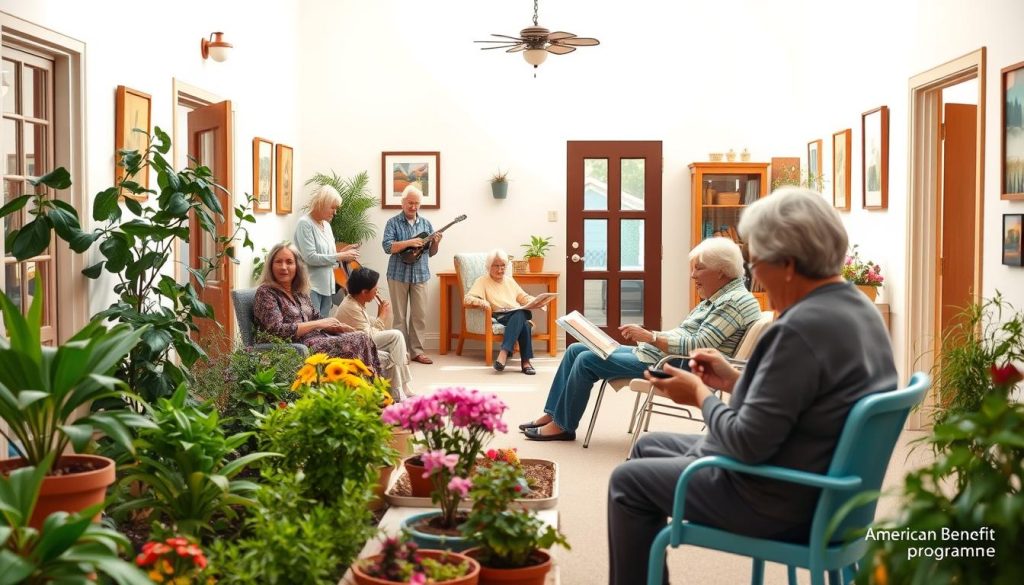
    Transitioning to memory care services

    When going into memory care, having the staff involved is helpful. It builds trust and shares the family member’s story and likes, making moving in easier18. Caregivers should watch how their family member is doing to keep the connection strong and tackle any problems.

    Moving to memory care needs careful planning and kindness. Knowing the emotional and practical parts of moving can help a lot. It makes the change better for the family member and their family.

    Conclusion

    Finding good memory care is key for families dealing with memory loss. As more people get older and diseases that affect the brain increase, we need more special support19. The text before talked about different care places, personal care, and choosing the best option carefully.

    Studies show that people in memory care places have a lower chance of going to the hospital. They also have a better life20. This summary tells us families should act early. They need to use all help and information to make smart choices for their loved ones.

    To make memory care easier, families must look for the best solutions. They must also keep supporting their loved ones and caregivers. Being up-to-date and involved really helps in caring for those with memory loss.

    Source Links

    1. Finding Dementia Care and Local Services
    2. What to Expect in a Memory Care Facility | MemoryCare.com
    3. Nursing Home vs. Memory Care: What’s the Difference?
    4. What Is Dementia?
    5. What Is Dementia? Symptoms, Types, and Diagnosis
    6. Memory Care Certification for Assisted Living Communities
    7. Memory Care Options for Low-Income Seniors
    8. How McKendree Enhances Quality of Life Through Personalized Care
    9. Why Personalized Care Will Be Essential in Senior Living Communities by 2025
    10. What to Look for When Searching for a Memory Care Facility | StoneBridge Senior Living
    11. 10 Questions to Ask When Considering a Memory Care Community | Alzheimer’s Foundation of America
    12. Resources for Health Care Providers: Alzheimer’s and Related Dementias
    13. How to Pay for Memory Care: 6 Options for Families
    14. Paying for Care
    15. Choosing the Right Memory Care Service: A Step-by-Step Guide for Families
    16. How To Move a Parent With Dementia To Assisted Living
    17. 15 Tips on Transitioning a Loved One to Memory, Dementia, or Alzheimer’s Care 
    18. Transitioning to Assisted Living with Dementia | Aegis Living
    19. Navigating the Journey of Memory Care: Innovations and Support Strategies for Dementia – St Elizabeth Community
    20. Memory care reduces nursing home admissions among assisted-living residents with dementia

  • Exploring Alzheimer’s Care Options: A Guide

    Exploring Alzheimer’s Care Options: A Guide

    More and more people are getting Alzheimer’s disease. Families have to make hard choices about care. Think about how these choices will affect the patient and caregiver’s future.

    Alzheimer’s is behind 60-80% of dementia cases. It’s key to know the care options out there1. Studies show caregivers like specialized services. They feel less anxious and sad2. Looking into memory care, in-home care, and long-term facilities can be a lot. But this guide will help families find the right care for their loved ones with Alzheimer’s.

    Key Takeaways

    • Understanding Alzheimer’s is essential for selecting appropriate care options.
    • Choosing the right care can improve the quality of life for both patients and caregivers.
    • Memory care facilities offer 24/7 support tailored to cognitive impairment needs.
    • Home care gives Alzheimer’s patients the comfort of familiar surroundings.
    • Caregiver satisfaction is higher among those who utilize specialized services.
    • Evaluating care facilities based on various factors can ensure a safe environment.
    • Effective communication with healthcare providers is key in navigating care options.

    Understanding Alzheimer’s Disease

    Alzheimer’s disease is a brain condition that worsens over time. It mainly affects memory, thinking, and how we act. Most often, it begins after age 65. This is a key time for spotting and treating it3. Alzheimer’s is the top kind of dementia, impacting lots of people and their loved ones3.

    People with this illness may forget things and get confused. These problems get worse as the illness does. They might get upset easily, pace a lot, or ask the same thing over and over4. This can make everyday things hard to do4. Keeping up with friends can be tough, too. This might make them feel lonely4.

    Taking care of memory is key for those with Alzheimer’s. Memory care places offer the right kind of help. They have health care pros who give medical care right there3. These places make sure residents are safe. They also make life feel more normal, which helps residents feel good about themselves3.

    To help residents not get lost, these places use signs and colors. They also have fun activities. These help keep the brain active and help people make friends3.

    The Importance of Choosing the Right Care Option

    Finding the best Alzheimer’s care is key to improving life for those with this condition. Alzheimer’s makes up 60-80% of all dementia cases. This highlights the need for care that fits each person’s needs5. Families should think hard about what kind of care is best, since care needs vary with dementia’s stages. For instance, someone in the middle stages might need someone around all the time. This need grows in the late stages of dementia6.

    Deciding when someone with dementia should move to a care home can be tough. It matters how well they handle daily life, their safety, and how much help they need7. Staying at home can present problems with taking meds, staying safe, and eating right7. There are other choices like hiring help or live-in care, but these can get expensive7.

    When picking care providers, safety and watching over the person are top priorities. A good way to find providers is to get recommendations from the Alzheimer’s Association or doctors6. It’s important to check if the staff knows how to care for someone with dementia and if their care plans match the person’s needs6. Family being involved helps a lot and leads to better living for those in care5.

    Alzheimer’s Care Options Available

    When looking for Alzheimer’s care, knowing about different care settings helps families. These options, like in-home care, adult day centers, and memory care facilities, suit different needs. We will explore what each setting offers to help you decide.

    Overview of Care Settings

    Care settings can change an Alzheimer’s patient’s life quality. In-home care keeps them in a known place with services like companion care, personal care, and more8. Adult day centers provide a space for making friends and staying active9. Memory care facilities focus on advanced Alzheimer’s, ensuring care for communication and personal care needs9.

    Benefits of Memory Care Services

    Choosing memory care services has many pluses. They offer activities for the brain important in early and middle stages9. The staff knows how to handle changes in behavior and confusion9. Living there lets people be with others who understand them, giving social support9.

    It’s key to pick the right care for Alzheimer’s individuals. Families should weigh all options to make choices that improve their loved ones’ life quality.

    Care Setting Key Features Target Audience Training Requirements
    In-Home Care Personalized assistance in a familiar environment Individuals wishing to stay at home Trained in specific care needs & dementia
    Adult Day Centers Structured programs for socialization and activities All stages of dementia General training in dementia care
    Memory Care Facilities 24/7 specialized care in a secured environment Advanced stages of Alzheimer’s 4 hours of dementia-specific training10

    In-Home Care for Alzheimer’s Patients

    In-home care lets people with Alzheimer’s stay at home comfortably. Over 5.8 million in the US prefer this as the disease gets worse11. This choice helps them keep their dignity and stay in a known place.

    Advantages of Staying at Home

    Home care offers ongoing care. It keeps a sense of normal life, very important for people with memory issues. It also reduces worry, boosts mood, and keeps daily habits11. Studies show stable care at home may help people with dementia stay home longer. Visiting Angels offers tailored care, fitting each person’s needs. They provide care, whether part-time or full-time12.

    Personalized Care Plans

    Making a care plan just for one person is key for good Alzheimer’s care. Visiting Angels checks homes to make them safe12. This plan helps with everyday tasks, reminds about medicine, and gives emotional support. It meets the person’s likes and needs. This approach is vital as many with dementia don’t get the care they need11.

    In-home care for Alzheimer's patients

    Care Feature In-Home Care Facility Care
    Comfort of Home
    24/7 Care Availability
    Personalized Attention
    Safe Environment Depends on Facility
    Coordination with Family

    In-home care boosts independence and improves life quality. It lessens the disease’s effects on well-being. This support is crucial for families helping loved ones with Alzheimer’s.

    To learn about making good care plans, check this useful link1211.

    Adult Day Centers: A Supportive Resource

    Adult day centers are vital for families taking care of people with Alzheimer’s. They offer activities in a safe place. These centers have services for seven to ten hours a day. They also have flexible times, including weekends and evenings13. This creates a healthy and friendly environment for seniors.

    What to Expect from Senior Day Care

    Senior day care offers many services. You’ll find health care, counseling, personal care, and help with food13. CareYaya helps seniors find student caregivers for sitting and friendship14. It’s wise for caregivers to check out centers more than once. Visiting a few times a week for a month helps decide if it’s a good match13.

    Socialization and Engagement Opportunities

    Socializing is key for happiness and sharp minds. Adult day centers have programs like art, thinking games, and pet therapy15. These activities lower stress and help with sleep. The average cost at these centers is about $78 a day15. This is less expensive than staying at home, which can cost about $170 a day15. This price makes it easier for families to afford good care.

    Memory Support Programs: Enhancing Cognitive Health

    Memory support programs help people with Alzheimer’s keep their minds sharp. They include fun activities like memory games and gentle exercise. These activities help slow down the loss of mental abilities, which worries many families.

    About 60-70% of people with dementia need long-term care16. Memory programs make this easier by keeping the brain and body active. They use special therapies to make people feel better. These therapies have helped reduce signs of depression by 60%17.

    These programs don’t just help the brain. They also take care of how people feel. Some strategies make life easier for the person with dementia and their caregiver17. They make sure everyone is treated kindly and respectfully. This helps maintain the person’s quality of life during their Alzheimer’s journey.

    Long-Term Care Facilities for Alzheimer’s Patients

    People with Alzheimer’s often move to long-term care facilities as their condition gets worse. About 60-70% of these patients need extra help that they can’t get at home. With different long-term care choices out there, families can find a good fit18.

    Types of Long-Term Care Options

    There are many care options for folks with Alzheimer’s:

    • Assisted Living Facilities: Perfect for seniors who need a little help with daily stuff but not 24-hour care. Some places have special spots just for Alzheimer’s patients.
    • Group Homes: Smaller places where a few people live. They always have caregivers around.
    • Nursing Homes: For those who need lots of medical care. They even have special areas for Alzheimer’s patients.
    • Continuum Care Retirement Communities: These have different types of living spaces and help. People can move to different parts as their needs change.

    There are about 24 million people worldwide with Alzheimer’s. This shows how important good long-term care facilities are19.

    Choosing a Memory Care-Certified Facility

    It’s important to find a place that knows how to care for someone with Alzheimer’s. Look for places with staff trained in handling dementia problems. They should feel warm and welcoming. Remember, the cost can vary a lot based on where the place is and what type of care is needed20.

    Look into long-term care options that are right for Alzheimer’s patients and their families. This ensures they get the support they need.

    Specialized Care for Alzheimer’s Patients

    Alzheimer’s patients need a lot of special care. This is a complex illness. Skilled staff and special programs help a lot. They improve the lives of these patients.

    Importance of Trained Staff

    Having skilled workers is very important. They know a lot about Alzheimer’s and its stages. They help patients get the right care as they change. Training helps with safety and happiness. It makes a good place for patients.

    Caregivers face stress and health issues. They often need more support to do their work well21. Trained staff make a big difference.

    Tailored Activities and Programs

    Special activities and programs are key. They are made to fit each patient’s likes and abilities. From memory games to art, they keep minds active. They also bring joy and comfort.

    These programs help staff a lot in caring for patients22. They boost the success of care.

    specialized care for Alzheimer's patients

    Service Type Description Typical Coverage
    Home Health Care Part-time medical services ordered by a physician. Medicare provides limited coverage.
    Adult Day Care Less expensive option for social engagement and support. Not covered by Medicare.
    Hospice Care End-of-life care focusing on comfort. Covered by Medicare, Medicaid, and some private plans.
    Respite Care Temporary care to provide relief for primary caregivers. Medicare covers up to five consecutive days.
    Geriatric Care Management Assistance with planning and resource handling. Usually not covered by Medicare or Medicaid.

    Looking into Alzheimer’s care? Pick services that offer specialized care. They help patients and caregivers a lot. Want to know more? Go to this link. It has a lot of useful info on Alzheimer’s care22.

    Transitioning Between Care Options

    Moving care options for persons with Alzheimer’s is hard. It needs careful thinking and planning. Talking helps families and care teams prepare for changes. It reduces worry and keeps everyone informed23. Sharing stories and backgrounds with new caregivers helps give the right care23.

    When choosing a facility, don’t rush. Understand what your loved one needs23. Look for the best memory care places. Visit and meet the staff to see if it fits23. Transition programs help a lot in adjusting to new care settings. They make the change easier23.

    Changes in sleep, wandering, and eating may happen when moving. Caregivers need support too. They should take breaks and ask for help when needed. The Alzheimer’s Association’s hotline (800.272.3900) offers help and more services24.

    Alzheimer’s Care Resources for Families

    Taking care of someone with Alzheimer’s is hard. Families need good Alzheimer’s care resources. Many people in the U.S. care for someone with this disease. They need lots of help and support25. The Alzheimer’s Association is a key helper. They have a helpline that’s always open. They also offer free online lessons. These can teach you about Alzheimer’s and how to take care of someone with it26. This group also helps families of color who face extra challenges with Alzheimer’s26.

    There are special resources for the LGBTQ+ community too. This makes sure everyone can get the help they need26. Kids can also learn strategies to understand Alzheimer’s. This helps make a supportive family setting26. It’s important to notice when caregiving gets too stressful. Many caregivers feel very worried and tired27. Talking to mental health experts can help. They can make caregiving a bit easier25.

    Having a plan for emergencies is key. The Alzheimer’s care resources can guide you on this26. Also, joining clinical trials can offer new help and support from others25. Using these resources can make caregiving better for both the caregiver and their loved one.

    Conclusion

    Finding the right Alzheimer’s care is key for patients and their families. Knowing about the disease helps caregivers handle symptoms like memory loss. Looking into various care options like home care, day centers, and memory programs is essential28.

    Choosing a care place can make life better for those with Alzheimer’s. Places like San Gabriel Memory Care focus on personal needs. They take care of both the body and mind. Families should look into support groups and professional help for better care29. This helps in connecting more with their loved ones28.

    Picking the right care leads to better living for Alzheimer’s patients. It ensures they are treated with dignity. With the right help, families can make life enriching for those facing Alzheimer’s challenges.

    Source Links

    1. Alzheimer’s & Dementia Care Options
    2. Short- and Long-Term Support Options for Alzheimer’s: A Guide
    3. Understanding Alzheimer’s Disease & Memory Care Options
    4. Understanding and supporting a person with dementia
    5. Understanding Dementia: Choosing the Right Memory Care for Your Loved One – St. Paul’s Senior Services
    6. Choosing Care Providers
    7. Care options: When is the right time to move someone into care?
    8. In-Home Care
    9. Care for Alzheimer’s and dementia: 6 options that’ll work for any family
    10. Alzheimer’s Disease – Options for Care
    11. Dementia Care: Keeping Loved Ones Safe and Happy at Home
    12. In-Home Alzheimer’s Care Services | Visiting Angels
    13. Adult Day Centers
    14. Navigating Senior Care Choices: The Best Adult Day Care Centers in Ann Arbor | CareYaya
    15. Memory Care Day Care: Adult Day Centers for Dementia
    16. Finding Dementia Care and Local Services
    17. Evidence-Based Interventions to Improve Quality of Life for Individuals with Dementia
    18. Alzheimer’s Caregiving: Finding Long-Term Care
    19. Long-Term Care Options for Someone With Alzheimer’s Disease
    20. Choosing a Health Care Facility for Someone With Alzheimer’s Disease
    21. VA.gov | Veterans Affairs
    22. Getting Help With Alzheimer’s Caregiving
    23. 15 Tips on Transitioning a Loved One to Memory, Dementia, or Alzheimer’s Care 
    24. Changing Care Providers
    25. Tips for Caregivers and Families of People With Dementia
    26. Resources
    27. Alzheimer’s and Dementia Care: Help for Family Caregivers
    28. Dementia Care at Home: Safety Measures for Your Loved Ones
    29. Choosing the Right Memory Care: Key Considerations