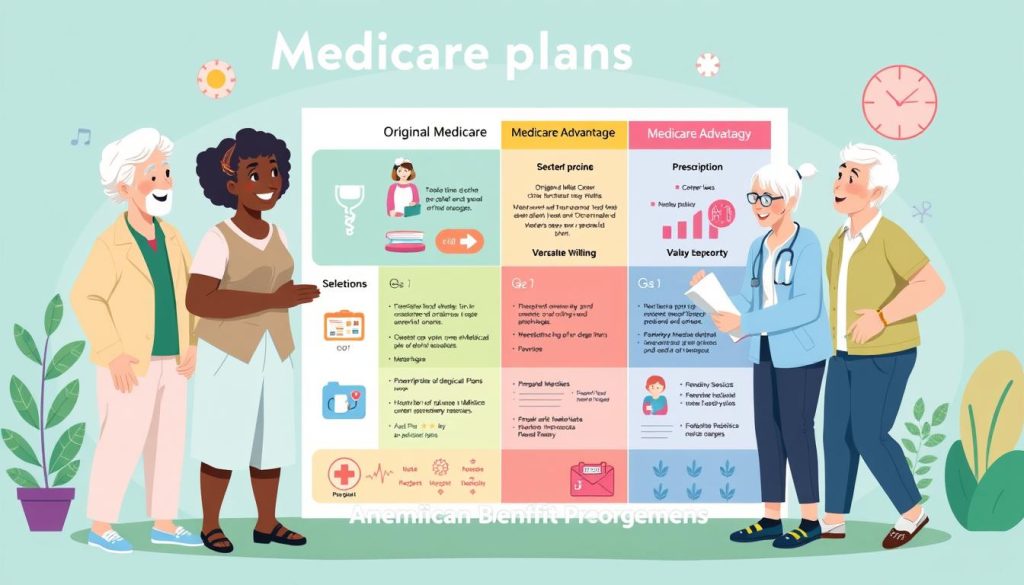
Tag: Medicare enrollment

  • Choosing the Right Elder Care Services

    Choosing the Right Elder Care Services

    Choosing care for aged loved ones can be hard. Have you thought about what makes good elder care? There are many types of care for older people. Knowing these helps make their life better. This article helps you understand senior health care. It shows how to find what your loved one needs.

    Key Takeaways

    • Understanding your loved one’s unique needs is crucial in selecting the appropriate elder care services.
    • Evaluating various types of Sr. Care can enhance safety and improve quality of life.
    • Budgeting and understanding costs are essential when choosing senior care options.
    • Effective communication with care providers can lead to better outcomes for seniors.
    • Assistance programs like Medicare and Medicaid can help manage financial burdens.
    • Personalized services, such as meal deliveries and companionship, are vital for holistic elder care.

    Understanding Elder Care Services

    Elder care helps our aging loved ones when they need it most. The term elder care definition covers many services. These services help with physical, emotional, and social needs of seniors. Families need to know what is available to make the best choice for their loved ones.

    Definition of Elder Care Services

    Elder care services help older people with their daily lives. This allows them to stay independent but still get the support they need. Services can be as simple as help at home, or as full as medical care depending on what the senior needs.

    Different Types of Services Available

    There are many types of elder care services out there, including:

    • In-home care, where caregivers assist seniors with everyday tasks in their own homes.
    • Assisted living facilities that provide housing, meals, and personal assistance.
    • Skilled nursing care that offers more intensive medical support for those with severe health conditions.
    • Companionship services focusing on emotional support and social engagement.
    • Rehabilitation services for seniors recovering from surgery or illness.

    Choosing the right service is vital since every senior has different needs. Knowing how much services cost and the help available can guide families. For example, assisted living facilities in the U.S. can cost around $4,300 a month. This is an important detail when looking at senior care options1.

    Assessing Your Loved One’s Needs

    Evaluating elder needs means looking at both their health and emotional support. It’s key for good care. We’ll cover important points for both health and happiness next.

    Physical Health Considerations

    When it comes to health for elders, several points matter. These include:

    • Mobility limits impacting daily stuff.
    • Long-term health issues that need care.
    • Doing everyday tasks, like getting dressed or bathing.

    Good health care can make their life better. Caregivers should watch for any health changes over time.

    Emotional and Social Support

    Feeling supported stops elders from feeling lonely. Being with others is key for their mental health. Let’s look at what helps:

    • Spending time with family and pals.
    • Using local resources like senior centers.
    • Doing fun activities that help them meet others.

    Caring well means looking after both their health and emotional needs. This helps elders live better.

    Types of Elder Care Services

    There are many types of help for older people. This help makes it easier for families to make good choices. Each kind of service meets specific needs. It makes sure the elderly get the right support as they get older.

    In-Home Care Services

    With in-home care, older adults can stay at home but still get help. This help includes daily tasks, managing medicines, and having someone to talk to. It helps them feel independent. Many who get this help may not do some things on their own. This is often because they have illnesses like Alzheimer’s. So, these services are very important2.

    Assisted Living Facilities

    Assisted living gives a mix of help and freedom. These places help with everyday tasks. Tasks like washing, getting dressed, and taking meds. But, they still let the seniors make some choices on their own. They have plans that match what seniors can pay. But, Social Security doesn’t cover these costs3.

    Skilled Nursing Care

    Some older adults need more medical care. Skilled nursing facilities provide this. Medicare can pay for short visits. Medicaid helps more with long stays, for those with less money. This ensures they get the help they need4. Each choice offers different benefits, for different needs.

    Benefits of Professional Elder Care

    Professional elder care helps seniors and their families a lot. It makes seniors’ lives better.

    Improved Quality of Life

    These services make seniors’ lives better by meeting their needs. They get care made just for them. This helps them stay healthy and do things on their own.

    Enhanced Safety and Security

    Caregivers make homes safer for older adults. They help with everyday tasks. This makes living at home safer. They know how to stop accidents. Families worry less about their loved ones.

    Companionship and Social Interaction

    Staying social helps older adults feel less lonely. Care services plan fun activities. These activities make them happy. Seniors make friends, which is good for their minds.

    Benefits of elder care

    Benefit Description
    Improved Quality of Life Tailored care enhancing health outcomes and independence.
    Enhanced Safety and Security Trained caregivers reducing risks and managing hazards.
    Companionship Structured activities promoting social interaction and emotional well-being.

    Elder care meets many needs of seniors. It makes their choices better. It helps them live healthier. It also helps them make friends. Friends are important for feeling happy567.

    How to Evaluate Elder Care Providers

    Choosing the right elder care providers is very important for families. It’s critical to ask many questions about their services. Ask about their experience with certain health issues and emergency plans.

    Key Questions to Ask

    Here are important questions to consider:

    • What is your experience with patients who have similar health issues?
    • How do you manage emergencies, and what protocols are in place?
    • Can you provide details about the staff’s qualifications and training?
    • What is the staff-to-patient ratio during different times of the day?
    • What feedback have past clients provided regarding care quality?

    Importance of Credentials and Experience

    Checking licenses and background checks is key for safety. The provider’s experience greatly affects the care quality. Research shows that caregivers with good credentials improve the care experience89.

    Understanding Costs and Payment Options

    Families looking into elder care need to know the costs of elder care. Costs vary by service type and location. For example, in-home care charges by the hour. Assisted living and skilled nursing have monthly fees. This knowledge helps families plan their budgets.

    Average Costs of Elder Care Services

    The costs for elder care services in 2024 will differ. In-home care might cost $20 to $30 an hour. Assisted living could be $3,000 to $5,000 a month. Skilled nursing usually goes above $8,000 monthly. It’s important to plan for these costs.

    Insurance Coverage and Assistance Programs

    Finding out about insurance for seniors is key to managing elder care costs. Medicare helps with hospital and skilled nursing bills. Medicaid helps low-income people with long-term care. Families should check all payment options for elder care. This includes private insurance.

    For more info on costs and coverage options, go to this page. Find detailed help here101112.

    Importance of Communication with Care Providers

    Talking well with elder care teams is key to good care. It keeps families in the loop about care choices. Everyone knows what’s going on with their loved one’s health and care plans.

    Keeping Family Informed

    It’s vital to keep families up to date about health and care plans. A survey shows 63% of patients worry most about safety in health talks13. Good chats with care teams let families help make decisions. This teamwork makes care better and brings families and caregivers closer.

    Regular Check-ins and Updates

    Checking in often builds trust and openness. With 91.8% of people online, staying in touch is easy14. Emails and texts share news about health and appointments fast. This helps avoid mix-ups and keeps families in the know.

    Communication Method Advantages Usage Statistics
    Email Saves time, allows detailed information sharing Used by health care providers to improve efficiency
    Text Messaging Quick updates, reminders Increased use for appointment notifications
    Telehealth Convenient access to care Nearly 25% of patients utilized telehealth services during 2021
    Social Media Cost-effective for broad communication Growing platform for health information dissemination

    Strong talks with elder care teams are very important. They make sure families feel part of the care process. This helps everyone be clear and work better together. Keeping families and caregivers connected improves care1413.

    Finding the Right Care for Special Needs

    Looking for care for seniors with special needs takes careful thought. You must consider what they really need. There are two main types of care: memory care services and palliative care. Both provide special support for certain conditions. They help families get through hard times.

    Memory Care Services

    Seniors with Alzheimer’s or dementia do well in memory care facilities. These places are safe and secure. Caregivers there help with daily tasks and focus on keeping memory sharp. Residents enjoy activities that let them connect with others. This helps improve their life.

    Palliative and Hospice Care

    Palliative care offers comfort to those with serious illnesses. It deals with pain and brings emotional support to patients and families. When illness is near its end, hospice care begins. It helps families know their loved ones are comfortable. This care makes life better in tough times.

    When looking at care options, know what each one offers. Here is how memory care and palliative care compare:

    Care Type Focus Ideal For
    Memory Care Services Cognitive support and safety Seniors with dementia or Alzheimer’s
    Palliative Care Pain management and emotional support Seniors with life-limiting conditions
    Hospice Care End-of-life support Seniors in the final stages of illness

    To pick the best care, families must research and understand each type. By working with healthcare experts, families can find the perfect match for their needs in special needs elder care151617.

    Legal and Financial Considerations

    When we talk about elder care, legal and financial issues need careful attention. It’s important to know about advance directives. They help make sure seniors’ health care wishes are followed in emergencies. Also, setting up powers of attorney is key. It lets trusted people make big decisions if seniors can’t do so themselves.

    Advance Directives and Power of Attorney

    Advance directives are legal papers that share healthcare wishes. They tell doctors what treatments seniors want or don’t want. This includes living wills and healthcare proxies. With these documents, seniors know their values guide their care decisions. A power of attorney lets family or friends handle health care and money matters. This support is crucial in tough times.

    Understanding Financial Responsibilities

    Money matters in elder care are very important. It’s essential to figure out how to pay for care. This means exploring costs for services like home care or assisted living. Knowing who pays for what helps avoid confusion and makes moving into care smoother.

    Type of Service Average Cost per Month Financial Responsibility
    In-Home Care $4,000 Private Pay, Medicaid, Long-term Care Insurance
    Assisted Living $3,600 Private Pay, Medicaid
    Skilled Nursing Facility $8,800 Medicare, Private Pay, Medicaid

    Talking about legal stuff for elder care can make choices easier. It’s key to chat with family about money and legal papers. This united approach helps not just seniors. It creates a caring space for all18.

    Resources for Finding Elder Care Services

    Looking for elder care services can be tough. Luckily, many places can help families find what they need. There are online sites, local programs, and advice from others. They make finding good care for seniors easier.

    Online Directories and Reviews

    Online tools are very helpful in finding elder care services. Websites let you search for care options near you. You can see what others think, compare services, and learn what to expect. Websites like Medicare.gov and the National Center for Elder Abuse have lots of19info. They tell you about services and safety for seniors.

    Other websites focus on elder care reviews and ratings. They help families make smart choices.

    Community Resources and Referrals

    Community groups are key for elder care too. The National Family Caregiver Support Program helps those caring for older folks20. Local agencies give tips on elder care services and Medicare20. They also offer legal advice.

    Groups like Falls Free CT work to keep seniors safe20. They aim to prevent accidents. Families should use these community resources. They offer great support and info on elder care.

    resources for elder care

    Making the Transition to Elder Care

    Moving to elder care is a big step, but it can be easier. Involving your loved one in decisions helps them feel in control. It reduces stress. Talking about the good points of elder care eases worries. Websites like Wesley Manor give extra help during this time21.

    Tips for Introducing Care Services

    Bringing in care services slowly helps seniors adjust better. They get used to new settings and routines. This makes them less anxious. Keeping communication open is key. It builds trust. It lets seniors share their fears. Talking about these fears can make them feel more at ease22.

    Ensuring a Smooth Adjustment Period

    Creating a welcoming space is important. Getting your loved one to know their caregivers helps them feel less worried. Activities in care homes can prevent loneliness. They help seniors feel part of a community. Being patient and understanding helps everyone feel better. It makes this big change smoother for seniors and their families23.

    Source Links

    1. Does Social Security Pay for Assisted Living? – Senior Services of America
    2. Social Security Act §1929
    3. The Types of Housing for Seniors on Social Security
    4. A Complete Guide To Elder Care Financial Assistance This 2024
    5. Understanding the Benefits
    6. Social Security Caregiver Benefits
    7. The Benefits of Working in Senior Care | Generation
    8. Paying for Long-Term Care
    9. How to Assess if an Older Adult Needs Caregiving Help
    10. Social Security Explained: How It Works and Types of Benefits
    11. Budget Basics: How Does Social Security Work?
    12. Understanding Social Security Benefits | The Motley Fool
    13. Importance of effective communication in healthcare
    14. The Importance of Communication in Health Care & Tips to Improve
    15. Explore The Benefits You May Be Due
    16. Benefits For Children With Disabilities
    17. A Primer on Planning for a Special Needs Child | Cerity Partners
    18. There Are Options for Reforming Social Security, But Action is Needed Now
    19. Federal Websites
    20. Programs and Services
    21. Important Paperwork To Consider As You Transition To Senior Living  | Traditions of Deerfield
    22. Taking Over Your Parent’s Finances | Elder Care Alliance
    23. How To Ease The Transition Into Assisted Living [+ Benefits]

  • Understanding Your Medicare Coverage Options

    Understanding Your Medicare Coverage Options

    Feeling lost in the Medicare maze? You’re not alone. Many seniors find it hard. Understanding Medicare is key to avoid extra costs. It’s not just a program; it’s essential for accessing healthcare benefits123.

    Evaluating your options helps meet your needs and budget. There’s Original Medicare and Medicare Advantage, each with different services and costs. With the right info, finding the best plan for you becomes easier.

    Key Takeaways

    • Medicare offers multiple coverage options, including Original Medicare and Medicare Advantage plans.
    • Eligibility for Medicare typically begins at age 65, but certain individuals may qualify earlier.
    • The costs associated with Medicare include premiums, deductibles, and copayments.
    • Choosing the right Medicare plan can significantly impact your healthcare experience and expenses.
    • Understanding the differences between plan types is essential for effective coverage.
    • Making timely decisions about enrollment can help avoid penalties and ensure optimal coverage.

    What Are Medicare Coverage Options?

    Choosing the right Medicare plan is key. It depends on your health needs and money situation. Medicare has a few ways to make your healthcare better. This includes Original Medicare and Medicare Advantage plans. Each one offers special things to meet different needs.

    Original Medicare vs. Medicare Advantage

    Original Medicare covers hospital stays and doctor visits. It is run by the government. On the other hand, Medicare Advantage has all that plus more. It can also cover eyes and ears. Many like it because it might save money and has a spending cap each year4. Picking the best plan for you is about what doctors you want and if you need extra services5.

    Medicare Part D: Prescription Drug Coverage

    Medicare Part D helps pay for your meds if you have Original Medicare. If you have Medicare Advantage, you usually don’t need a separate Part D. But, it’s good to look at different Part D plans because they cover different meds at different costs4. Don’t sign up late for Part D to avoid extra fees5. Knowing all your options helps keep you healthy.

    Eligibility for Medicare Coverage

    It’s important to know how to qualify for Medicare. This is especially so for those close to retirement. Knowing about Medicare eligibility helps people get health benefits when they need them.

    Age Requirements for Medicare Enrollment

    People usually can get Medicare when they turn 65. The time to sign up is 7 months around your 65th birthday6. If your birthday is on the first of a month, Medicare Part A may start a month early6. If you don’t sign up on time, you might have to pay extra for Part B as long as you have it6.

    Special Enrollment Periods Explained

    Special Enrollment Periods let people sign up for Medicare at other times. This is due to certain life changes, like losing health insurance from a job. You can sign up from when you find out about the change until 6 months after6. For example, if you lose Medicaid, you can start signing up that day, for 6 months6. It’s key to know which events let you have a SEP to avoid missing out.

    Costs Associated with Medicare

    Understanding Medicare costs is key. Costs may include premiums, deductibles, and copayments. This helps in planning healthcare spending.

    Premiums, Deductibles, and Copayments

    Many don’t pay a premium for Part A due to paying Medicare taxes for years7. If not eligible for free Part A, premiums range from $278 to $505 in 202489. The deductible for Part A is $1,632 in 20247.

    For hospital stays, costs go up after paying the deductible. It starts at $0 for days 1-60. After that, it’s $408 per day for days 61-907. For Part B, the monthly premium is $174.70. The annual deductible is $24078.

    Financial Assistance Programs Available

    Financial aid programs help with Medicare costs. Extra Help is one, aiding with prescription drug costs9. Medicare Savings Programs also help with premiums and deductibles for those eligible9. It’s important to look into these to lower Medicare expenses.

    Types of Medicare Plans

    It’s important to know about different Medicare plans. Medicare Advantage and Medigap are two main types. They serve different needs with their own benefits and costs. This helps people pick what’s best for their health care.

    Medicare Advantage Plans Overview

    Medicare Advantage plans are another choice besides Original Medicare. They add benefits like dental and vision care. Now, 41% of people with Medicare choose these plans10. Most of these plans also cover medicines. Over 70% have drug benefits10.

    There are many Medicare Advantage plans. Examples include HMOs, PPOs, and SNPs for special health needs10. Insurance companies often change their Medicare offers. This gives people lots of choices10.

    Supplement Plans (Medigap) Explained

    Medigap fills gaps in Original Medicare. It helps pay for things like copays and deductibles. This makes sure people can get medical care without big bills.

    Some folks choose Medigap for more complete coverage. About 10% of Medicare users go this route, especially if they see the doctor often11. Knowing what each plan offers helps people make good choices.

    Medicare plans overview

    Plan Type Coverage Typical Premiums
    Medicare Advantage Inclusion of additional benefits beyond Medicare A & B $0 to $100+ per month
    Medigap Covers out-of-pocket expenses from Original Medicare $100 to $300+ per month, depending on coverage level

    Choosing between Medicare Advantage and Medigap lets beneficiaries shape their healthcare. They find the right care and manage costs1011.

    How to Apply for Medicare

    Applying for Medicare is a key step for your health as you get older. It’s important to know how to apply to get benefits. Apply during your Initial Enrollment Period. This starts three months before your 65th birthday and ends three months after. Doing this on time helps avoid late fees.

    Steps to Enroll in Medicare

    To enroll in Medicare, follow these steps:

    1. Collect important documents, like your Social Security number and job proof.
    2. See if you qualify based on your job or your spouse’s job history.
    3. Pick to enroll online or get help in person to submit your application.
    4. If needed, fill out forms with your employer, like the CMS-L564.
    5. Send your Medicare application or forms online, by fax, or mail12.

    Online vs. In-Person Enrollment Options

    Signing up online is quick and easy, fitting the digital preference these days12. But, you can also sign up in person. Local State Health Insurance Programs (SHIPs) offer help and guidance. Special Enrollment Periods give extra time to apply in certain situations12.

    For extra help, reach out if you live outside the U.S. or work for the railroad12. Keep your Medicare Number safe. It’s very important for your healthcare access12.

    Whether to enroll online or in person is up to you. It depends on what feels right and your situation. The steps here make the process clear. They guide you through smoothly.

    If you worked 10 years and paid into Social Security, you get Medicare Part A for free at 6513. All beneficiaries must pay for Part B. This keeps your coverage going as you start with Medicare13.

    Understanding Medicare Benefits

    Understanding Medicare is key to making smart health choices. It offers important coverage, like preventive care. This kind of care helps stop health problems from getting worse. So, people stay healthy and use their Medicare fully.

    Preventive Services Covered by Medicare

    Preventive services are free with Medicare. They include yearly check-ups and tests for cancer, diabetes, and heart disease. These services catch health problems early. That way, people can stay well and happy.

    Coverage for Hospital and Skilled Nursing Care

    Medicare helps with hospital stays and skilled nursing care. Part A covers the hospital. Part B is for doctor visits. Hospital coverage is there when you need it most14. For skilled nursing, you must meet certain rules to get help15. This help is vital for recovery after surgeries or big health problems.

    The Role of Social Security in Medicare

    It’s important to know how Social Security and Medicare work together if you’re near retirement. Social Security not just helps with money, but also helps you get Medicare. When you get Social Security at 65, you’re put into Medicare parts A and B right away16.

    How Social Security Benefits Affect Medicare

    The link between Social Security and Medicare is big. If you’ve worked enough and paid into Medicare, Part A is free. You should know about your Social Security benefits. You can get Medicare at 65 and must sign up during the first seven months16.

    Understanding Automatic Medicare Enrollment

    If you get Social Security, you’ll automatically get Medicare when you retire. This stops any gap in being covered. If you don’t get Social Security yet, you need to sign up for Medicare on your own16.

    This auto sign-up for Medicare is key. It makes sure you get medical help in retirement without trouble17.

    Aspect Details
    Automatic Enrollment Occurs at age 65 for individuals receiving Social Security retirement benefits.
    Eligibility Start Age Medicare eligibility begins at age 65.
    Initial Enrollment Period Lasts for seven months around the 65th birthday.
    Impact of Social Security Automatic enrollment facilitates access to Medicare coverage.

    17

    Navigating Medicare Prescription Drug Coverage

    It’s important to understand Medicare Part D for those who need medication. This part offers drug coverage not found in Original Medicare. Getting a Part D plan is key for those using regular medications. The right time to enroll is around your 65th birthday, giving you a seven-month window. Enrolling late can lead to extra fees. It’s best to sign up on time to avoid penalties and get the most benefits1819.

    How to Choose a Part D Plan

    Picking a Medicare Part D plan means looking at what drugs it covers and how much they cost. Plans include FDA-approved drugs. It helps to compare how much different plans cost for your meds20. You can use online tools to find the best match for your medicine list. The yearly Open Enrollment runs from October 15 to December 7. This is your chance to choose or change plans19.

    Synching Part D with Other Coverage Options

    Linking Part D with other insurance can be smart. You can get drug coverage through Medicare Advantage plans, which also offer other health services. This can lower how much you pay yourself. Look into programs like LIS and PAPs to save more on drugs20. Knowing how all these options work together can really help cover your meds18.

    Medicare Part D prescription drug coverage

    For help with Medicare, get the Medicare and You handbook. It breaks down your choices in simple terms.

    Part D Coverage Considerations Details
    Enrollment Period Initial enrollment lasts 7 months; Open Enrollment is from October 15 to December 7.
    Formulary Covers FDA-approved medications with varying costs.
    Coordination with Other Plans Medicare Advantage plans may include prescription coverage.
    Assistance Programs Low-Income Subsidy and Patient Assistance programs available for cost reduction.

    Keep up with coverage rules. Big changes in 2025 will cut out-of-pocket drug costs over $2,00020.

    Making Changes to Your Medicare Plan

    It’s key to know how to change Medicare plans. The Annual Open Enrollment Period is a chance for people to change their Medicare without issues. It goes from October 15 to December 7 every year. During this time, folks can look at their current plans. They can then change them based on what they need2122.

    Annual Open Enrollment Period Explained

    During the Open Enrollment Period, you can swap between Original Medicare and Medicare Advantage. Or you might choose a Part D plan for drugs. Changes start on January 1 of the next year. This gives everyone time to choose wisely21. It’s also when you can check you’re getting the best benefits for you.

    Special Circumstances for Changing Plans

    Sometimes, special events let you change plans outside the normal time. For instance, if you move to a new place not covered by your plan, you can pick a new Medicare Advantage or drug plan. You can make these changes from one month before until two months after you move. This is so long as you tell your plan quickly23. Other reasons for changing include losing other health coverage or entering.

    Common Medicare Misconceptions

    As people get ready to retire, knowing about Medicare is key. Many seniors don’t get it right and mix things up about their health coverage. It’s key to clear up these myths so everyone knows what Medicare really does and doesn’t do.

    Myth vs. Fact: Seniors and Medicare

    One big myth is that Medicare coverage is entirely free. That’s not true. Medicare helps pay for a lot of medical stuff, but you still have some costs. Like, in 2024, you usually pay 20% for seeing a doctor after you’ve paid a $226 deductible24. Another wrong idea is thinking you can sign up for Medicare anytime. But you actually have a 7-month sign-up period around your 65th birthday24. If you miss it, you could pay more later. It’s smart to sign up on time.

    Clarifying Coverage Limits and Restrictions

    People often mix up Medicare with Medicaid, but they’re not the same. Medicare is mostly for older folks or those with disabilities, while Medicaid is for people with less money25. Also, Medicare doesn’t cover everything. Things like long-term care or most dental work aren’t covered. It’s important to know what’s covered so you can plan. For more help understanding Medicare, check out this article with Medicare facts. It’s really helpful.

    Resources for Medicare Beneficiaries

    It’s important to understand the Medicare resources out there. This can make things better for users. Getting the right info helps when looking at options and knowing your rights. Here, you can find websites and help lines made to give you the Medicare help you need. Plus, local services can offer help that fits just for you.

    Websites and Helplines for Assistance

    The National Center for Benefits Outreach and Enrollment (NCBOE) helps a lot. It gives tech support to groups in states, Puerto Rico, Guam, and the District of Columbia26. With tools like the Medicare Prescription Drug Plan Finder, you can look up health and drug plans26. Need more personal help? State Health Insurance Assistance Programs (SHIPs) offer free, custom counseling27.

    Local Medicare Counseling Services Available

    Local SHIPs give one-on-one counseling in your community. They help you get Medicare and choose programs26. There are also Medicare Savings Programs. These give financial aid to those who don’t have much money27. Using local help makes going through Medicare easier.

    The Future of Medicare Coverage

    Looking ahead, Medicare is changing due to many factors. One big reason is the growing number of older people. This makes more people need Medicare and its health services. In 2022, Medicare made up 21% of the total health spending in the U.S28. Also, as more adults become eligible, they expect better health coverage.

    Trends in Medicare and Aging Population

    Medicare Advantage plans have grown a lot, tripling their share of Medicare spending from 2013 to 202328. This growth, along with Medicare spending reaching about $1 trillion in 2023, raises questions about how to keep the program funded28. Brokers play a big role, managing 70% of Medicare Advantage plans, showing they are key to adapting to changes29.

    Legislative Changes Impacting Medicare Benefits

    New laws could really change Medicare benefits. Changes may include how brokers are paid and how people enroll29. The Medicare Trustees warn that the program’s money might only last until 2036. This is because of how many people will use it28. It’s important for people with Medicare to keep up with these changes. For more info, you can visit this resource.

    Source Links

    1. Your coverage options
    2. Compare Original Medicare & Medicare Advantage
    3. Understanding Medicare’s Part A, B, C and D Options
    4. Medicare Coverage Options – Blue Cross and Blue Shield Medicare Plan Options | bcbs.com
    5. Medicare Insurance Plans and Coverage Options | Cigna Healthcare
    6. When does Medicare coverage start?
    7. Costs
    8. What does Medicare cost?
    9. How much does Medicare cost in 2024? Parts A, B, C and D
    10. Your health plan options
    11. Basics of Medicare – Parts A, B, C, & D
    12. Ready to sign up for Part A & Part B
    13. New to Medicare? | NC DOI
    14. How does Medicare work?
    15. Understanding Medicare Advantage Plans
    16. How Do Social Security and Medicare Work Together?
    17. About Social Security and Medicare…
    18. What to Know About Medicare Part D
    19. Medicare prescription drug coverage (Medicare Part D)
    20. Medicare Prescription Drug Plans
    21. Joining a plan
    22. Can I change my Medicare plan?
    23. Special Enrollment Periods
    24. 8 Common Medicare Myths
    25. The 8 Most Common Myths of Medicare
    26. Medicare Improvements for Patients and Providers (MIPPA)
    27. 4 programs that can help you pay your medical expenses.
    28. Medicare 101 | KFF
    29. The future of Medicare Advantage