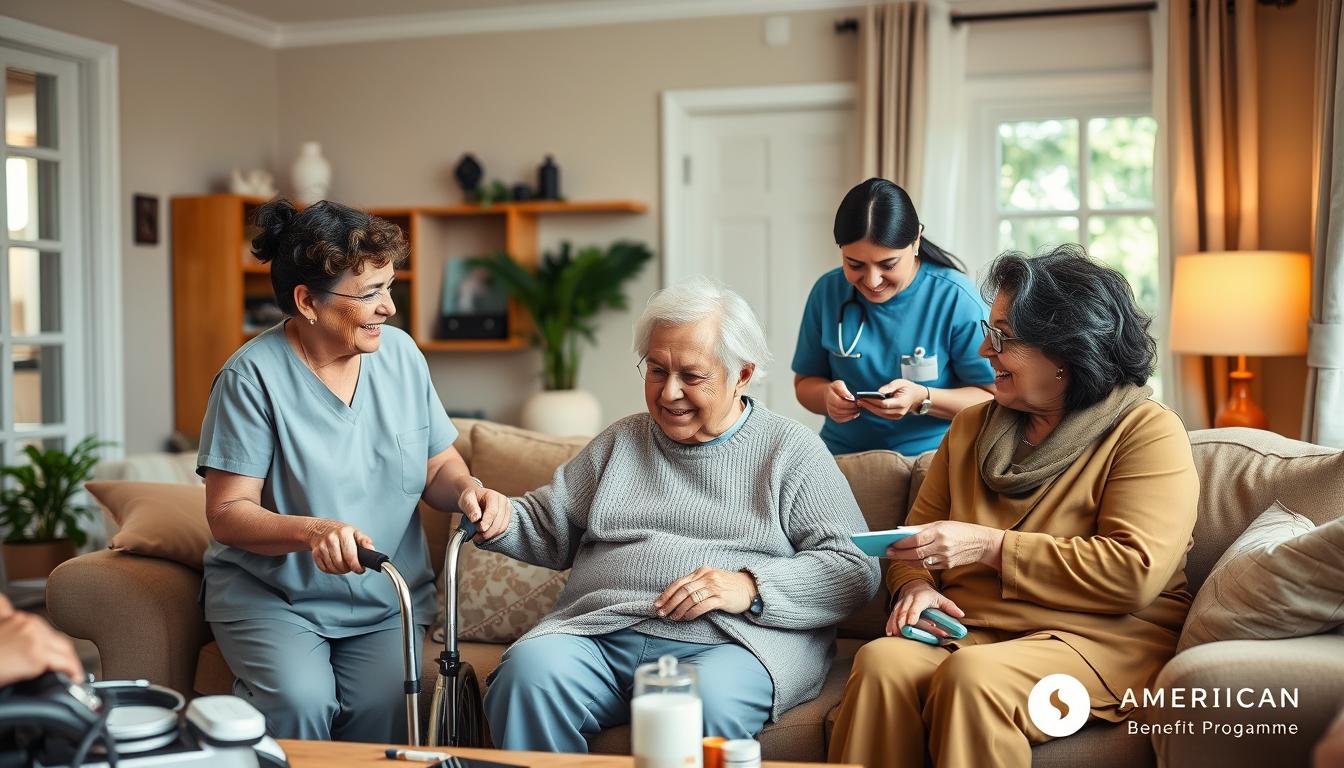
Did you know almost 70% of seniors will need home health care at some point? Yet, many families are unsure how to find these important services. Home care is a popular way to ensure elderly relatives are happy and healthy at home. It’s key to know the different home care types available. This guide will show you how to understand senior care services, find out your choices, and learn what makes good home care.
Looking into nursing or therapy at home? This clear guide covers all about home health care. It’s not just about medical care. It’s also about making life better for patients. There are lots of resources to help. Now is the best time to improve your loved one’s care.
Finding reliable home care providers and knowing the costs is key. This empowers families to choose well and create a better home life.
To find home care that fits just right, start here at this resource page.
Key Takeaways
- Nearly 70% of seniors will require some form of home health care services.
- In-home care offers numerous benefits, including enhanced comfort and personalized care plans.
- Choosing the right home health agency involves assessing credentials and reading reviews.
- Understanding insurance coverage is vital for successful access to home healthcare.
- Effective communication can bridge common challenges faced in home health care.
Understanding Home Health Care Services
Home health care means getting medical and help-at-home services right where you live. It helps people, like older folks, stay independent. They can get better or manage long-term health issues comfortably at home.
Definition and Overview
Home health care gives you services like skilled nursing and therapy right at your place. It’s covered by Medicare if you need skilled care but can’t leave home much. These services can include nursing, therapy, and medical supplies at home. Home health experts work together to make a care plan that helps you stay in your own comfy space.
Types of Home Health Care Services Available
There are many kinds of home health services to fit what you need. This care is made just for you and can cover:
- Skilled nursing care
- Physical therapy
- Occupational therapy
- Speech therapy
- Home health aide services (when receiving other skilled services)
You can get skilled nursing care for a few hours each day, up to 28 hours a week. This can change if your care team suggests more or less time. Home health staff visit based on what your doctor says, keeping your care steady1.
Benefits of In-Home Care
In-home care helps people, especially older adults, stay independent at home. It has many benefits that make life better. Being at home can make people less stressed and healthier.
Enhanced Comfort and Familiarity
Being in a known place makes people feel emotionally secure. Studies say older adults heal quicker at home than in a hospital2. It feels safer and helps recovery. Home care helps with daily tasks, reducing the need for nursing homes2.
Personalized Care Plans
Care plans are made just for the person, giving them special attention2. It helps avoid unneeded hospital visits3. This one-on-one care increases friendship and fights off loneliness3. Many times, Medicare or insurance will cover these services3.
Choosing the Right Home Health Agency
Finding the right home health agency is key for top-notch care. Consider their reputation, services, and staff qualifications. These factors will help you pick the best agency.
What to Look for in Home Health Agencies
Look at these important points when picking an agency:
- Reputation: Choose agencies with good scores from Medicare and Medicaid on Care Compare4.
- Caregiver Support: Make sure agencies check caregivers well. Ask how they screen them5.
- Agency Certifications: The agency should have accreditations from recognized groups like the Joint Commission4.
- 24/7 Availability: Agencies should have staff ready to help any time, every day4.
Checking Credentials and Reviews
Before deciding, double-check the agency:
- Online Reviews: Look up what others say to understand their reputation and service6.
- References: Ask for references to know more about their work and success5.
- Cost Transparency: Learn about the costs, as they depend on what you need5.
- Initial Assessment: Talk about care plans, services, costs, and how they follow up5.
Key Services Offered in Home Healthcare
Home healthcare helps people with different needs at home. It includes nursing, health aides, and therapy services. Each plays a big part in making a patient’s life better.
Nursing Services and Home Health Aides
At home, nurses do things like dress wounds, manage meds, and monitor health. They give clinical care that meets each patient’s needs. Home health aides help with personal things like bathing and moving around. They provide comfort and help patients do everyday tasks78.
Therapy Services: Physical, Occupational, and Speech
Therapy helps patients get better after health problems. It includes physical, occupational, and speech therapy. They help patients do daily tasks, get stronger, and speak better. Medical social workers also help by offering counseling and resources78.

| Service Type | Description | Provider |
|---|---|---|
| Nursing Services | Clinical care including wound care, medication management | Registered Nurses |
| Home Health Aides | Assist with daily living activities, personal care | Certified Aides |
| Physical Therapy | Rehabilitation for movement and strength | Licensed Therapists |
| Occupational Therapy | Support for relearning daily tasks | Licensed Therapists |
| Speech Therapy | Communication and swallowing rehabilitation | Licensed Therapists |
Home Health Care for Seniors
Home health care is very important for seniors. It meets their special health needs as they get older. Seniors might face problems like moving around, ongoing health issues, and memory loss.
Specific Needs of Elderly Individuals
Home health care helps with both physical and emotional challenges. Some seniors might want help from their family at first. But as their health needs grow, families might need professional help. Things like getting around become hard for seniors. Making their homes safer with ramps and bars helps them stay independent.
Safety Measures and Fall Prevention
Keeping seniors safe at home is key. Doing things like physical therapy helps them stay balanced and strong. Home health care workers, like nurses and therapists, do these services. It’s important to make sure these professionals are well-qualified9. Checking the home regularly can spot risks. This helps make the home safer for seniors and keeps them healthy10.
Understanding Home Health Care Costs
Many families find it tough to handle home health care costs. Knowing what affects these costs is key. Home health care can include skilled nursing, aides, and more. These services play a big role in the total cost.
Insurance Coverage for Home Health Services
Medicare can help with home health care costs. If you meet certain conditions, like being “homebound,” Medicare Part A might cover you at no cost11. Medicaid also offers help, but what it covers changes in each state, so it’s different everywhere12. Private insurance might cover some costs too. But, what’s covered changes from one plan to another. Talking to your insurance company is a good idea to understand your benefits11.
The cost for a home health aide each hour can be between $20 and $3012. On average, you might pay about $4,195 a month for an aide. Homemaker services can be about $4,385 each month12. Medicare might help with up to 35 hours a week for those who qualify12.
Private Pay Options and Financial Assistance
If insurance won’t cover you, there are private pay and aid programs available. Home health care paid privately can cost around $52,624 a year12. The hourly cost changes depending on where you are and what service you need. The average is about $2611. Knowing all your options helps make informed choices.
Below is a detailed comparison of some common home health care services and their associated costs:
| Service Type | Hourly Rate | Monthly Cost |
|---|---|---|
| Home Health Aide | $20 – $30 | $4,195 |
| Homemaker Services | $20 – $30 | $4,385 |
| Skilled Nursing Care | $50 – $130 | $1,000 – $4,000 |
| Activities of Daily Living (ADLs) | $20 – $35 | N/A |
| Instrumental Activities of Daily Living (IADLs) | $18 – $50 | N/A |
Knowing the costs and coverage helps families manage home health care. It ensures loved ones get needed support. They can also handle money matters better13.
How to Access Home Health Care Services
Getting home health care services involves some steps. These steps help people get the care they need. It’s important for making sure the care fits what the patient needs.
Steps to Arrange In-Home Care
To start in-home care, you first need a referral from your doctor. Your doctor can tell you about the kinds of services you can get. This helps you choose between certified home health agencies (CHHAs) or licensed home care services agencies (LHCSAs).
CHHAs provide health care and support services sometimes. LHCSAs are for those who can pay themselves or have private insurance14. There are also programs like managed long-term care (MLTC) for people with ongoing conditions. These programs help you stay at home15.
Working with Your Healthcare Provider
It’s very important to work well with your healthcare provider. They help with paperwork and finding programs like EISEP. EISEP gives non-medical help to older people14.
Your provider also helps find services like personal care support. This is for people who need help with daily activities. Often, Medicaid pays for this15. Good communication and knowing your options lead to better health.
| Step | Description |
|---|---|
| 1 | Obtain a referral from your healthcare provider. |
| 2 | Decide between CHHAs and LHCSAs based on health care needs and payment options. |
| 3 | Explore options for managed long-term care systems if applicable. |
| 4 | Consult with your provider about non-medical support programs like EISEP. |
| 5 | Establish ongoing communication for care adjustments and follow-ups. |
These steps make starting home health care easier. They help improve life for those needing in-home support.
For more details on home care versus home health, you can learn more here1415.
The Role of Caregiver Services
Caregiver services are very important in home support. They help improve the daily life of patients. They make sure patients can live with dignity and comfort in their own homes. Knowing about caregivers helps families find the right help for loved ones.
Importance of Caregivers in In-Home Support
Caregivers are very important. They offer non-medical help needed for everyday life. They assist with things like bathing, cooking, and being a friend, all to make life better for their clients16. Caregivers help their clients be independent and feel good. They make a safe and caring place that meets the emotional and physical needs of those they help. It’s important to know that caregivers are not the same as home health aides. Home health aides do medical tasks under a doctor’s watch16.
Finding Compassionate and Qualified Caregivers
Finding the right caregivers takes time and thought. Families can ask doctors or local groups that know about caregiver services. The Family Caregiver Alliance has videos that help families. These videos show how to pick caregivers and add them into the care team17. Sometimes, things like handrails are needed to make the home safe as care needs change17.
Also, getting along well with caregivers makes communication better17. You can use social media or email for quick messages. This keeps everyone involved and supports emotionally17. Making caregivers feel important helps create a good team. This makes the care experience better for everyone.
Legal Rights in Home Healthcare
It’s vital to know your rights in home healthcare. These rights make sure you get the best care, while keeping your dignity and privacy. Confidentiality in healthcare is very important, as it ensures your personal info is kept safe.
Patient Rights and Confidentiality
Home health care patients have rights that protect their privacy and dignity. They have the right to know their rights and responsibilities before treatment starts. No one should be treated unfairly because of their background, making care fair for everyone18.
Honesty and ethics are key in dealing with home care staff. This creates a trustful and open relationship18.
Patients also have the right to help plan their care and make changes. This makes sure their preferences are considered18. It’s key that patients get care without bias. This includes making choices about their care without pressure18. Moreover, patients need to be told about their care and visit schedule in advance. This helps them stay involved in their care18.
Understanding the HIPAA Regulations
HIPAA rules keep patient information private. This not only keeps your privacy but also builds trust in healthcare. Home health care patients should know about any charges for their care. This shows a commitment to clear communication18. For Medicare, services like nursing care need to be part-time19. It’s important for patients to give accurate info about their health. This helps caregivers provide the best care18.
Knowing all about your care can help you take part more and give useful feedback. Working together is key for the best health results.
| Right | Description |
|---|---|
| Informed Rights | Patients must be informed of their rights before treatment starts. |
| Non-Discrimination | Patients should be treated equally, without bias. |
| Participatory Care | Patients can engage in planning their care. |
| Confidentiality | All medical records are protected under HIPAA regulations. |
| Financial Clarity | Patients must receive clear information regarding their charges. |
Common Challenges in Home Health Care
Home health care has its own tough problems. It’s very important to talk well with providers. This helps everyone work together to take care of patients. Problems with talking to patients, families, and healthcare teams can delay needed care. This makes managing health harder.
Communication Barriers with Providers
Not talking clearly can confuse patient care. Research shows many specialists don’t get info from family doctors before seeing a patient. This breaks the care chain20. Also, 25% of family doctors don’t hear back from specialists for weeks. These issues are big problems in home health care.
Managing Changes in Patient Health
Caregivers must quickly respond to patients’ health changes. More people are choosing home health care every year. They like keeping their privacy and not going back to the hospital21. Still, there are issues, like nurses leaving their jobs due to risks and injuries. This makes it tough to support patients through health changes. There’s a big need for good health management plans.

| Challenge | Impact | Solutions |
|---|---|---|
| Communication Barriers | Hinders coordination and timely interventions | Improve information sharing between providers |
| High Nurse Turnover | Increased workload and stress for remaining staff | Enhance support networks and working conditions |
| Poor Health Management | Delays in adapting care plans | Regular training for providers on patient monitoring |
It’s very important to fix these problems to get better results in home health care2021.
Conclusion
Talking about home health care shows us how care has changed to better meet people’s needs. Families and individuals looking at home care need to know what services are out there. This helps them pick what matches their needs and likes best.
Finding out how home care helps with faster recovery and less infection risk shows its worth. Home health services also focus on respecting the person’s dignity and need for independence. They look into problems like feeling alone and the changing levels of care quality. It’s key for families to look at good info and study up well. They can start with the summary of home health care services to find the best support for them or their loved ones.
Endings in home care hint that with the right info and help, families can create a caring place. This makes life better for those who need help. The personal touch in home health care not only helps recovery. It also builds strong trust between patients and their care teams. This trust leads to better health for everyone222324.
Source Links
- Home health services
- What are the Benefits of Home Health Care – VNA Health Group
- Benefits of Home Health Care
- How to Choose a Home Health Agency
- Choosing a Provider
- 5 Steps for Choosing the Right Home Care Agency – Family Resource
- Home Health vs. Home Care
- Types of Home Health Care Services
- Home Health Care
- Home Care Services and In-Home Assistance for Seniors
- Understanding Home Health Care: A Complete Guide
- Managing the Cost of Home Health Care | Carelon
- Understanding Private Pay Home Care Rates and Services
- Home Care – Information for Consumers
- Long Term Care – HRA
- Caregiver Vs. Home Health Aide: What’s The Difference? – Voyager Home Health Care
- Caregiver Activities, Duties and Responsibilities – CaringInfo
- Patients’ Rights & Responsibilities | Advocate Health at Home | Advocate Health Care
- Medicare & Home Health Care
- Challenges for Home Health Care Providers: A Needs Assessment
- Challenges In Home Healthcare | Family First Homecare
- The benefits and drawbacks of home health care — Applied home health care
- An In-Depth Look at Home Health Care Services
- The Expansion of Home Health Care in the United States