Tag: Elderly wellness

  • Effective Chronic Disease Management for Seniors

    Effective Chronic Disease Management for Seniors

    How can we help seniors with many health problems live better? Nearly 80 percent of older folks in the U.S. have at least one long-term illness. Over half have more than one. Managing these illnesses well is very important. Seven out of every ten deaths1 are linked to chronic diseases. It’s key to know how to handle this. We need good healthcare teams, technology, and support for seniors. These help improve their health and life quality. Let’s look at how special programs and care for the elderly can make a big difference.

    Key Takeaways

    • Chronic diseases significantly impact the health and well-being of older adults.
    • Over 80% of seniors live with at least one chronic illness, showcasing the urgent need for tailored health strategies.
    • Effective management can lead to improved quality of life and reduce hospital visits.
    • Coordinated healthcare approaches are vital in managing chronic conditions among the elderly.
    • Technology plays a crucial role in enhancing chronic disease management for seniors.

    Understanding Chronic Conditions in Seniors

    Getting to know chronic conditions is key for helping older people. Chronic diseases last more than three months. They deeply affect daily life. Such conditions can make people less able to do things. They also need more healthcare. This is why taking care of older people with these diseases is very important.

    Defining Chronic Diseases and Their Impact

    Many older adults, about 94.9%, have at least one chronic disease. Around 78.7% have two or more2. Diseases like arthritis, high blood pressure, diabetes, and heart problems lower life quality. They can lead to more health issues. For instance, obesity is common in 40% of older adults. It is connected to many chronic diseases3. This shows we need good ways to manage these diseases to help seniors feel better.

    Prevalence of Chronic Conditions Among Older Adults

    Many seniors, over 85%, report at least one chronic disease. About 65-75% deal with multiple illnesses4. More and more elderly people are getting chronic diseases. This means we need health care that focuses on what older adults need. Without the right help, many face great health risks. This could mean going to the hospital a lot or not enjoying life as much.

    Importance of Chronic Disease Management for Seniors

    Managing chronic diseases is key to improving seniors’ lives. Almost every senior has at least one chronic illness. Good management helps keep them healthy and out of the hospital4. It helps seniors stay independent and active in their communities.

    Enhancing Quality of Life

    Better management of chronic illnesses boosts seniors’ well-being. Programs like the CDSMP make a big difference in their lives5. These programs teach seniors to live healthier and communicate better with their doctors.

    Reducing Hospitalizations and Emergency Care

    Managing chronic diseases saves money too. These diseases cause most of the healthcare costs because they often need hospital care4. Self-management programs can reduce ER visits. This saves about $714 per person5. This shows how important ongoing care and support for seniors are. It saves stress and money for everyone involved.
    importance of chronic disease management

    Challenges in Managing Chronic Conditions

    Seniors face big hurdles in managing long-term health issues. They often struggle to use the healthcare system well. This is hard because they may not move easily or think as clearly. It makes getting the right care tough.

    Navigating the Healthcare System

    For seniors, the healthcare system can be confusing. It’s hard to know which doctors to see or medicines to take. Over 90% of the US’s healthcare money goes to chronic illnesses6. Good healthcare guidance could lower costs and help seniors feel better.

    Communicating with Healthcare Providers

    Talking clearly with doctors is key to handling illnesses well. But, many seniors find it hard to share their health worries. This can mix up their care plans. If seniors work together with their doctors, they’re more likely to stick to treatments. Educated patients often see better health results6. This shows how important it is to speak up and ask questions.

    Social Isolation and Its Effects

    Being alone a lot is a big problem for seniors. It makes their health worse and can lead to early death. If they’re lonely, they might not eat right or get help when needed. Being lonely can make seniors skip their treatments or pick up bad habits. Helping them find support is crucial6.

    Strategies for Effective Chronic Disease Management for Seniors

    Managing chronic disease in seniors needs a strong healthcare team. This team includes doctors, family, and helpers. Together, they make a plan that fits the senior’s health needs.

    Building a Supportive Healthcare Team

    Having a supportive healthcare team for seniors is key. It includes different experts like doctors and nutritionists. They all work together to make care plans that suit each senior’s needs. Taking a friend or family member to doctor visits is also helpful7.

    Coordinating Care Services

    Coordinated care services are vital for seniors with chronic diseases. They ensure that all treatments work well together. For example, teaching seniors to manage their health leads to better life quality89. Regular health checks help catch problems early, leading to healthier living.
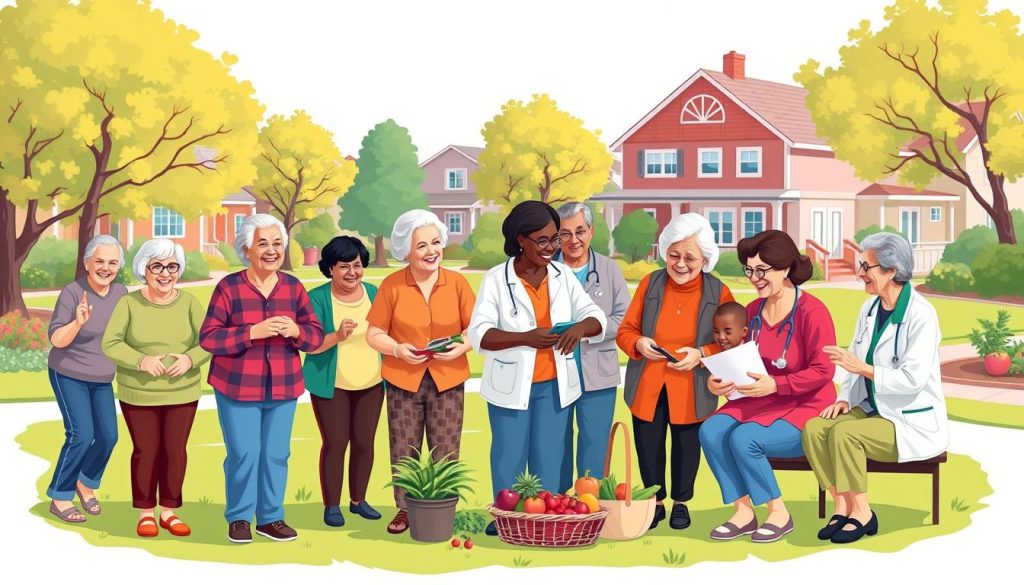
    effective chronic disease strategies

    Health Strategy Description Benefits
    Regular Consultations Frequent check-ups with healthcare providers. Ensures proactive health management and timely adjustments to care plans.
    Personalized Care Plans Customized health plans that reflect individual needs. Enhances compliance and effectiveness of treatments.
    Community Resources Support from local organizations and groups. Provides emotional and practical assistance.
    Pharmacist Involvement Engaging pharmacists for medication management. Reduces risks of interactions and side effects, improving medication adherence7.

    Role of Senior Health Monitoring Tools

    For older people with chronic diseases, health monitoring tools are very important. They include tech that helps with daily health care. This becomes more crucial as more people get older.

    Technology in Health Tracking

    Almost all seniors live with a chronic sickness. Thus, tech for health tracking is vital. It helps keep their health in check. Systems that monitor patients from afar will grow. They show how tech can change the care for chronic diseases.

    By 2030, there will be 73 million people aged 65 or older in America10. This fact puts pressure on health care to use such tech well. Using many health tools helps stop diseases from getting worse. Often, these diseases could send someone to the hospital.

    Wearable Devices and Apps

    Senior wearables are popular for managing chronic diseases. Many studies support their use. Now, there are over 100,000 apps using data from these devices11.

    Seniors in care programs see a 15% drop in hospital stays10. Wearables and apps together help seniors watch their health closely. They stay on top of their health journey as tech gets better.

    Senior Wellness Programs and Their Benefits

    Senior wellness programs help older adults stay healthy and happy. They include activities like exercising, eating well, and making friends. These programs are great because they help seniors feel better physically and mentally. Being part of a community wellness program also helps seniors do better in life.

    Community-Based Wellness Initiatives

    Programs in communities give strong support to older people. They promote living a healthy life. Being part of programs like SilverSneakers makes seniors feel less lonely and happier12. A study found that older adults enjoy programs that include making friends13.

    Exercise and Nutrition for Chronic Disease Prevention

    Staying active and eating right are key to avoid chronic diseases. Sadly, not many older Americans are as active as they should be13. But senior wellness programs that provide special exercises can help more seniors get moving. One partner of HealthPRO Heritage saw a 32 percent better balance in seniors. This reduced their chances of falling12.

    Also, not enough seniors eat the right amount of fruits and veggies13. Health and wellness checks in these programs can make seniors follow better diets. This leads to living longer and being healthier.

    Program Type Benefits Statistics
    SilverSneakers Improved mental health; reduced loneliness Participants showed better outcomes than non-participants12
    HealthPRO Heritage Fall risk reduction 32% improvement in balance12
    General Nutrition Increased fruit and vegetable intake 12.4% and 10.9% met guidelines respectively13

    Importance of Medication Management

    Managing medicines for older people is very important. It helps keep them healthy, especially if they have many sicknesses. Because they often take many medicines, they need to manage them well. This prevents mistakes and makes their lives better. Pharmacists are key in helping with this, making sure medicines are taken right.

    Working with Healthcare Providers and Pharmacists

    Older adults, doctors, and pharmacists working together is key. This teamwork helps manage many medicines well. Pharmacists help with medicine therapy management (MTM). This has been shown to help people with chronic diseases like diabetes and high blood pressure14. Talking well with doctors and pharmacists helps avoid hospitals and other problems15.

    Annual Medication Reviews

    Having a yearly check of medicines is very important. It helps doctors see if medicines are working well together. It also helps change medicines if health changes. This is very helpful for seniors who were just in the hospital. They need good support to manage their medicines well15. Services at home can help older adults take their medicines right15.

    Key Aspects of Medication Management Benefits
    Collaboration with Pharmacists Improves medication adherence and resolves medication-related problems14.
    Annual Medication Reviews Identifies potential medication interactions and enhances safety15.
    In-home Assistance Supports seniors in adhering to medication regimens, reducing complications15.
    Monitoring Side Effects Ensures timely adjustments in medications, leading to improved health outcomes16.

    Starting a good medicine management program is key for doctors. It helps them watch how well the medicines work. This leads to fewer health issues. It also makes life better overall.

    Geriatric Care Solutions and Support Services

    Finding the best care for older folks with long-term sickness is key. These solutions make sure help is just right for them. It keeps them living well while handling health problems. Services at home for sickness are crucial. They help keep independence and happiness.

    Long-Term Illness Support for Seniors

    Most seniors have at least one long-lasting illness, showing a big need for help17. Skilled nurses and physical therapy let them manage sickness at home. Tailored care for older folks is very important.

    Home and Community-Based Services

    Home care lets seniors get help without moving to a facility. Help with personal care and cleaning matters a lot18. It lets them have a good daily life while getting care for their illness.

    Coordination of Care Services

    Handling illness in older adults needs well-coordinated care. Talking clearly with doctors and having a good care team helps a lot17. Programs like New York’s Medicaid Personal Care fit the help to what each person needs. This makes sure seniors get the support just right for them18.

    Conclusion

    Managing chronic diseases for seniors is hard but very important. It needs both medical help and friends’ support. About 117 million people in the U.S. have at least one chronic condition. This makes it key to manage these diseases well19. Using tech like health trackers and online doctor visits can make a big difference. They help seniors follow their health plans better and save money19.

    Also, the cost of managing chronic diseases is high because of medicines and doctor visits. New payment models are helping with better care19. So, it’s important for seniors and those who look after them to learn about help available. This way, they can better find their way around health care. It helps avoid missing out on care which can make health worse. Learn more at chronic disease management overview.

    Ending on a hopeful note, if we focus on early care and working together, seniors’ lives can get better. By looking at these key strategies, seniors can stay more independent. This also means their diseases won’t affect their daily lives as much20.

    Source Links

    1. Managing Chronic Conditions for Elderly Adults: The VNS CHOICE Model
    2. Top 10 Chronic Conditions Affecting Older Adults
    3. Reducing Chronic Disease and Disability
    4. How Do We Overcome the Burden of Chronic Disease for Older Adults? | The Pursuit | University of Michigan School of Public Health | Aging | Cancer | Chronic Disease | Health Care Management
    5. Understanding the Challenges and Cost of Chronic Diseases
    6. 7 Challenges in Delivering High-Quality Care to Patients with Chronic Conditions – ChartSpan
    7. How older adults can manage chronic conditions
    8. Living with a Chronic Condition
    9. How to Manage Chronic Conditions in the Elderly – Senior Health Care Solutions
    10. Chronic Care Management Program for Seniors
    11. Remote Monitoring Systems for Patients With Chronic Diseases in Primary Health Care: Systematic Review
    12. Senior Wellness – Breaking Down the Benefits
    13. Aging Adults’ Preferences for Wellness Program Activities and Delivery Characteristics: A Cross-Sectional Survey
    14. Medication Management Models for Chronic Disease Management – RHIhub Toolkit
    15. The Importance of Medication Management for Seniors
    16. Why is Medication Management Important for Seniors? – Managed Health Solution
    17. How to Manage Chronic Conditions in the Elderly Properly
    18. Elder Care Solutions at Home
    19. Chronic Disease Management Strategies For Seniors
    20. Chronic Disease Management: Improving Outcomes, Reducing Costs
  • Elderly Care Simplified: Healthcare for Seniors

    Elderly Care Simplified: Healthcare for Seniors

    Have you ever thought about making life better for older people? Soon, by 2050, nearly 82 million folks in the U.S. will be over 651. We need to focus on how to help them now. Options for senior care help with their needs. This lets them enjoy their later years with respect and happiness.

    Options range from staying at home to getting help in special facilities. It’s key to know about all the ways to help older adults. This info helps seniors and their families choose the best care. We’re about to dig into staying at home, care services, and better life quality for seniors.

    Home care lets seniors be more independent. Getting around can be hard for them2. So, a full plan for their care is very important. Let’s explore how to make senior care better in the U.S.

    Key Takeaways

    • The senior population is rapidly increasing, necessitating effective healthcare strategies.
    • Home care services allow seniors to remain in the comfort of their homes.
    • Personal care and healthcare can be tailored to fit individual senior needs.
    • Transportation remains a significant issue for many older adults.
    • Family involvement is crucial in making informed care decisions.
    • Technological advancements are shaping the future of elderly care.
    • Maintaining independence is a key goal for many seniors seeking care options.

    Understanding Aging in Place

    Aging in place lets seniors keep their independence by living in familiar places. It makes them happy and gives them control over their lives. Most seniors, nearly 90 percent, want to stay in their homes, AARP3 says. Knowing how to help them make this choice improves their life quality.

    Definition and Importance of Aging in Place

    Seniors staying in their homes as they age is what aging in place means. It keeps them comfortable and stable. Checking health like diabetes or heart conditions is key to see if they can live on their own4. Planning well and using resources are important to keep their freedom.

    Services to Support Aging in Place

    Many services help seniors stay at home. They cover health care, personal help, and more. Services can be short for recovery or long for constant aid4. Some common supports are:

    • Personal care assistance
    • Household chores
    • Meal preparation
    • Money management
    • Healthcare assistance
    • Transportation aid
    • Home safety measures

    Family and friends often provide these supports. Formal caregivers and community services help too4. Programs like Medicare and Medicaid help pay. Local aging agencies and community groups offer extra help4.

    Types of Senior Care Services

    Families looking after elderly loved ones need the right senior care services. Knowing the available options helps make good choices. Here are the main types of senior care, each meeting different needs.

    In-Home Care

    In-home care helps seniors get personalized help in their homes. This can make them feel more comfortable and safe. They might get help with driving, cleaning, and everyday tasks. It helps them stay independent but supported56.

    Assisted Living Facilities

    Assisted living helps seniors who need help with daily stuff but still want some freedom. They get help with personal care and can join in social activities. This creates a community feeling. These places often have great food and round-the-clock emergency help6.

    Nursing Homes vs. Home Care

    Nursing homes provide top care around the clock for those with serious medical needs. They are set up for tough health conditions and rehab. But, home care gives more personal help at home. Choosing depends on the care needed and what the senior prefers57.

    Healthcare for Seniors: Navigating Medical Needs

    As people get older, they have special health needs. They must look closely at chronic conditions like diabetes, dementia, and heart disease. This is key to keeping a high quality of life. They need to know their health requirements and how to move through the healthcare system.

    Common Health Issues in Seniors

    Older folks often face various health problems that need early care. Chronic illnesses are the main concern, needing ongoing attention. Conditions like heart disease can make it hard to move around. This can lead to poorer health if not taken care of. Talking well with doctors is crucial. Having someone trusted at doctor visits can help seniors understand their health better8.

    Access to Geriatric Medical Care

    Getting to see doctors who specialize in older adult health is very important. Medicare helps a lot by covering hospital stays and medicines. Knowing the difference between in-network and out-of-network doctors can change how much money seniors spend on health care9. It’s good for them to know about Medicare and how it works. Care managers can give advice on choices.

    Some seniors might get help from both Medicare and Medicaid, giving them more coverage9. Senior centers can also help by talking about how to handle health care costs. This makes it easier for older adults to pay for their health needs8.

    Home Care Services for Seniors

    Home care services help seniors stay independent at home. They get the help they need to live well. Seniors can stay comfortable in their own homes with this help.

    Personal Care Assistance

    Seniors get help with things like bathing, dressing, and cooking meals. This help is very important. It lets them enjoy life and meet their needs better.

    Healthcare Services at Home

    Nurses and therapists visit seniors at home for care. They help with meds, treat wounds, and do therapy. Some get visits often or even 24/7 care10. This care is paid by the hour. Medicare may help but only for a little while10.

    Importance of Companion Care

    Companion care gives emotional support to seniors. It helps them feel less lonely or isolated11. Some volunteers visit seniors for free. This shows our care for the elderly. But, Medicare or Medicaid usually don’t pay for these visits12.

    home care services

    Service Type Description Average Cost Insurance Coverage
    Personal Care Assistance Assistance with daily activities Varies by provider Limited coverage by Medicare
    Healthcare Services Medical services provided at home Billed hourly Limited Medicare coverage available
    Companion Care Social interaction and emotional support Varies by service Not covered by Medicare or Medicaid

    Evaluating Senior Living Options

    Finding the right place to live as a senior means thinking about your lifestyle and health. Independent living and retirement homes offer different perks for growing old gracefully.

    Independent Living Communities

    Independent living is great for older people who can take care of themselves. They get to live an active life with friends. They also have the freedom to make their home their own. Plus, there are lots of fun activities and things to do that keep them healthy. People should check their needs for daily help to choose the best place for them13. Being able to move around easily, especially with things like walkers, is key14.

    Retirement Communities and Their Benefits

    Retirement homes mix homey feels with health care. These places have everything from apartments to full-time nursing. This helps people as their health changes over time13. There are even fancy meal options that fit dietary needs14.

    It’s important to look closely at communities to make sure they are safe and have the right licenses14. Knowing about yearly cost increases and extra fees is also important for planning your budget14.

    Type of Community Level of Care Key Benefits
    Independent Living Minimal Active lifestyle, social engagement, personalized living.
    Retirement Community Varies Continuum of care, various health amenities, dietary services.
    Assisted Living Moderate Support with ADLs, social activities, and community services.
    Skilled Nursing Facility High Intensive medical care, rehabilitation services, 24/7 oversight.

    Always ask about special deals and prices that can be talked down when looking at places. This careful checking helps find the best retirement home for seniors’ needs and likes13.

    Promoting Senior Wellness Programs

    Senior wellness programs are key to improving the health of older adults. They focus on the importance of staying active and eating well. This helps seniors live healthier lives. Being active improves strength, movement, and brain health.

    Physical Activity and Exercise

    Staying active is very good for seniors, making them healthy and strong. Sadly, less than 42% of those aged 65–74 exercise enough15. And even fewer work on building their strength. Exercise programs help seniors get moving more. This can make them feel better overall.

    Nutrition and Healthy Eating

    Eating right is vital for seniors for better health and keeping diseases away. But, only a few older adults eat enough fruits and veggies15. Senior wellness programs teach them about good nutrition. This helps them stay energetic and healthy.

    Financial Planning for Elderly Care

    Planning for elderly care can seem hard, but with the right steps, it gets easier. We’ll look at budgeting for home care and understanding Medicare. These are key for making good choices for elderly care.

    Budgeting for Home Care Services

    When it comes to budgeting for home care, it’s important to know how much money you need. Financial planners can guide families, ensuring they pick the best care. In Florida, there are nine Financial Planning Association chapters. They help families with planning for the elderly16. They offer advice tailored for seniors to manage money and choose the right care.

    Understanding Health Insurance and Medicare Options

    Seniors must understand their health insurance and Medicare choices. For example, Medicare covers many services, but not all senior living needs. Private pay or insurance might be needed17. Also, spouses of veterans may get up to $2,200 a month to help with costs17. As elder fraud increases, it’s essential to protect information while handling money17.

    State Financial Planning Association Chapters
    Alabama 2
    California 14
    Florida 9
    Illinois 3
    Michigan 1
    Nevada 3
    New York 8
    Ohio 5
    Pennsylvania 3
    Texas 6

    A good budget and knowing Medicare options are key for stress-free elderly care. Finding a financial planner in your state can help make smart care choices. For more help, use resources from local planners like this helpful guide1617.

    Family Support and Caregiver Resources

    Bringing family into elder care choices helps seniors greatly. Loved ones coming together ensures choices fit the elderly’s needs. This makes for a happy, healthy life for seniors.

    Involving Family in Care Decisions

    Many voices make wise choices when caring for elders. Talking together helps find what each person wants. This teamwork makes families stronger and helps with caregiving stress. About 88 percent of caregivers feel help boosts their skills. This shows caring together matters a lot18.

    Finding the Right Caregiver

    Finding a caregiver means looking at their skills and how well they get along with the elderly. Families must look at experience, health knowledge, and if they’re around when needed19. Caregivers need support and advice too20. A strong support network is key for good caregiving.

    family support in elder care

    Assessing the Aging Population Health Trends

    The health of older people is very important as our society changes. We must understand these changes to meet the growing health needs of the elderly. Current facts show the main health problems they face.

    Current Statistics on Senior Health

    Most older adults have at least one chronic illness, making special healthcare very important21. Sixty percent live with two or more chronic conditions, raising their healthcare costs21. In 2020, the average older adult spent nearly $7,000 on medical bills22.

    Many older people find medical documents hard to understand. This makes health decisions difficult22. About 1 in 4 older adults feel isolated, which harms their health22. More older people in all countries mean big challenges for healthcare worldwide23.

    Future Projections for Elderly Healthcare Needs

    The number of Americans over 65 will grow from 58 million in 2022 to 82 million by 205021. The group over 85 will triple. This shows we need more healthcare workers fast21.

    Health systems face money worries because people live longer and there are more old people23. The way we provide healthcare will need to change soon23. Planning and new ideas are key to care for older people’s different health needs23.

    Conclusion

    Caring for seniors well means thinking ahead and giving them lots of support. It’s key to bring together elder care help, health programs made just for them, and good places for seniors to live. This mix helps seniors stay healthy and happy.

    As people age, their healthcare needs get more complex. Families need to keep up with these changes. This includes understanding that what seniors want for their care can change. About 35% of seniors change their minds about treatments to keep them living longer24. Also, the oldest seniors are growing fast in numbers. This shows we need more studies and help for them25.

    To make life better for our older loved ones, it’s smart to invest in wellness programs for seniors. Also, getting them the right help for their care is crucial. By talking more and focusing on staying healthy before problems start, families can make the aging journey happier and more colorful for their senior members.

    Source Links

    1. Elderly Care Technology: 6 Trends Shaping Home Health in 2025
    2. Home Care Services and In-Home Assistance for Seniors
    3. The Value of Aging in Place
    4. Aging in Place: Growing Older at Home
    5. 8 Types of Senior Care & Living Options | Eden Senior Care
    6. The Differences Between All 8 of The Senior Care Options
    7. Different Types of Eldercare & Care Homes
    8. The Medical Minute: Simple steps to help seniors navigate their health care
    9. Navigating Healthcare: A Comprehensive Guide for Seniors – Total Life
    10. Services for Older Adults Living at Home
    11. Help In Your Home
    12. Senior Services
    13. Senior Living Options: What Retirement Housing Options are Best?
    14. How to evaluate a senior living community
    15. Aging Adults’ Preferences for Wellness Program Activities and Delivery Characteristics: A Cross-Sectional Survey
    16. Caring for Your Parents | Finances : Start Planning Now
    17. Financial Advice Every Senior Should Know
    18. National Family Caregiver Support Program
    19. Family Caregiving: Help and Support for Family Caregivers
    20. Caregiver resources
    21. Healthcare on the brink: navigating the challenges of an aging society in the United States – npj Aging
    22. Social Determinants of Health and Older Adults
    23. The Health of Aging Populations – Preparing for an Aging World
    24. Conclusion – Values of Older Adults Related to Primary and Secondary Prevention
    25. Conclusions and Recommendations – Changing Health Care Systems and Rheumatic Disease