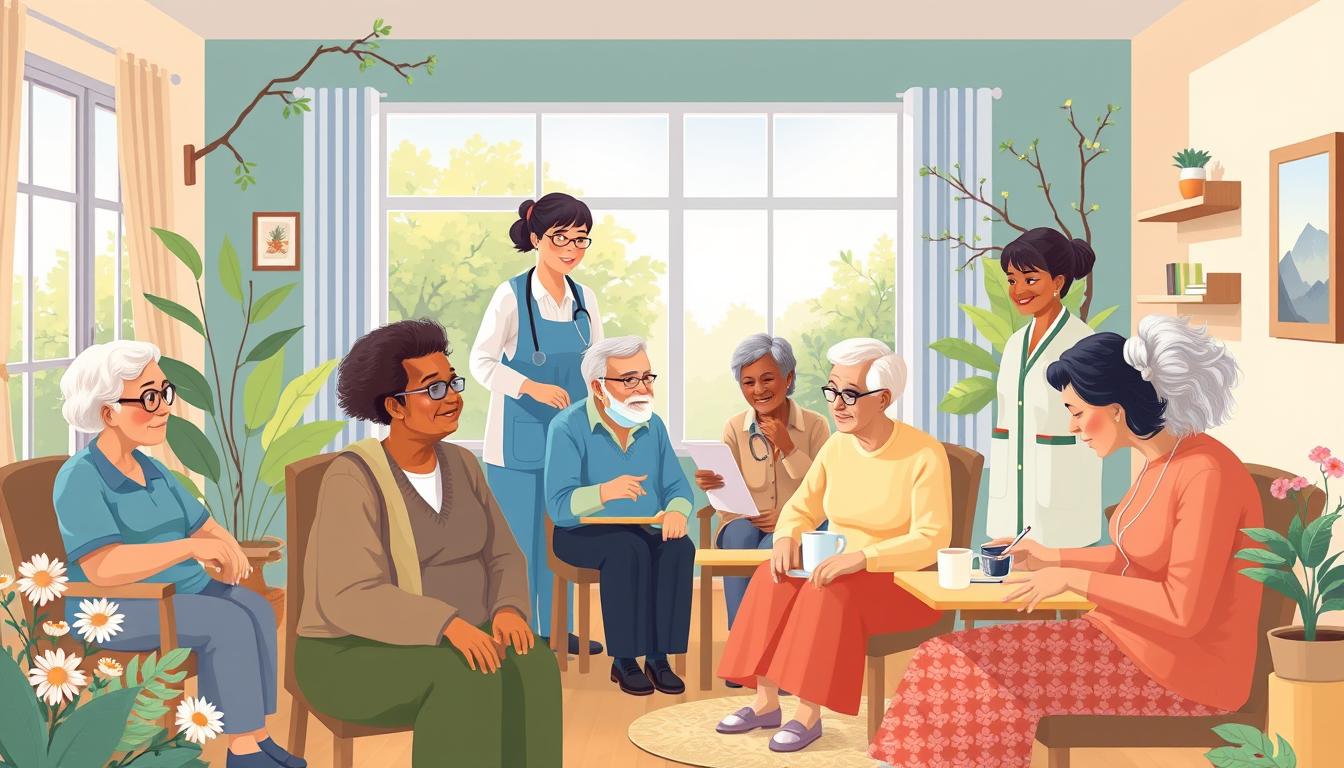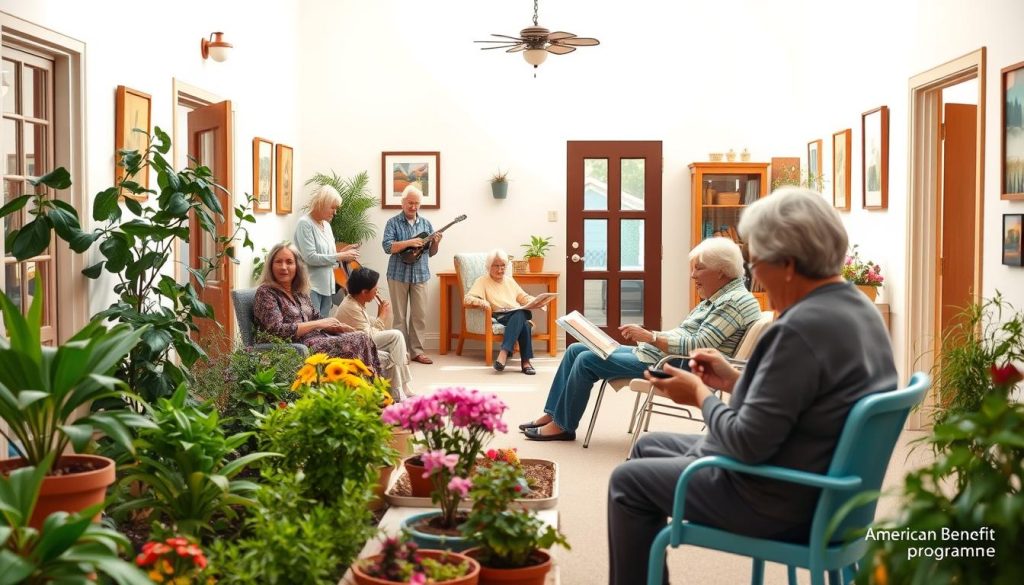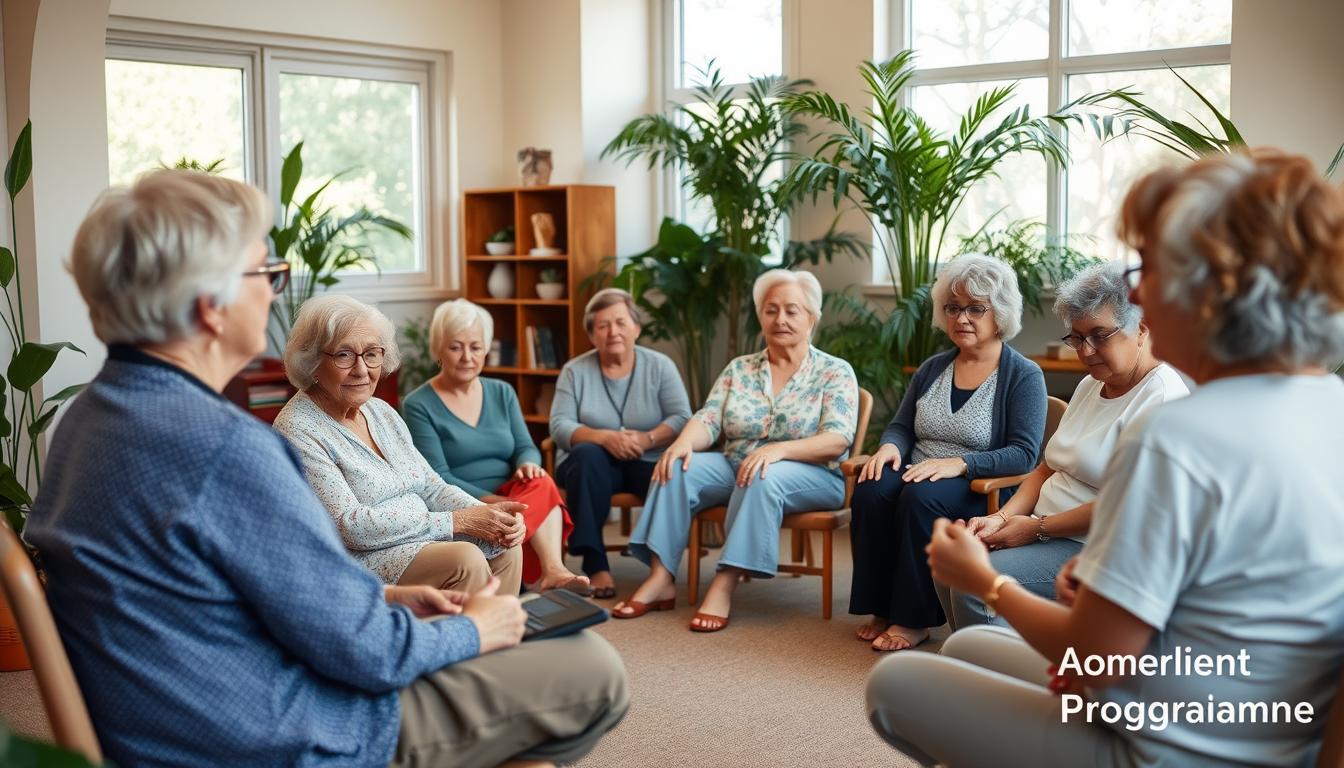
Have you thought about how we often overlook aging’s emotional side? It really affects our happiness. It’s key to see the mental health challenges seniors face. It’s not just about spotting symptoms. We also need to address special concerns that come with getting older1. As more adults age, it’s vital to focus on senior mental health resources. Around 20% of people aged 55 and older deal with mental health issues. So, there’s a big need for support focused on their needs2.
This guide talks about why it’s important for seniors to have access to mental health services. It aims to offer insights into resources that can help improve their mental health. These resources tackle social isolation, which is a big risk for mental health problems. They also help with the stress caregivers might feel. This guide is here to help families, caregivers, and seniors. It gives them information to create a caring environment.
Key Takeaways
- The aging population faces unique mental health challenges requiring specialized support.
- Many mental health resources for seniors are available at little or no cost.
- Social isolation has been linked to severe mental health conditions, including depression and anxiety.
- Understanding caregiver stress is essential to maintain healthy relationships with seniors.
- Persistent feelings of sadness or anxiety warrant professional mental health intervention.
Understanding the Importance of Mental Health in Seniors
Mental health is key for seniors. It affects their body and feelings. Not caring for it can have bad results. About 14% of seniors face mental health challenges3. This can lower their happiness and freedom.
Many seniors feel sad, alone, or isolated. This can lead to depression and anxiety4. The World Health Organization says these issues are big for seniors. They make up over 10% of disabilities in this age3.
Staying connected with others is very important. It helps keep mental health problems away. About 25% of seniors feel isolated3. Also, one in six face abuse, often from caregivers. This can make them feel worse3.
Doing fun things with others can really help. It makes seniors happier and less sad3. The WHO has a plan to help seniors’ mental health until 20303.
The Unique Mental Health Challenges Faced by Older Adults
Unique mental health challenges come with aging. They stem from social, economic, and health issues. By 2050, one in six people will be over 65. This means we’ll need more mental health help for them5. Older adults with chronic illnesses are 62% more likely to feel depressed than those without6.
Being alone a lot can make older people feel sad and anxious. The World Health Organization says about 14% of people over 60 have mental health problems. Depression and anxiety are the most seen7. Recently, 18.4% of older adults said they felt depressed. This shows we really need to help their mental health6.
Mental and physical health affect each other a lot in older people. When someone has both kinds of problems at once, they need special care5. Even if fewer seniors have schizophrenia or bipolar disorder, these illnesses still make getting help hard6.
It’s really important to help older people who feel very sad. By creating programs that get them involved and fight the shame of talking about mental health, we can make their lives better7.
Senior Mental Health Resources: Key Support Systems Available
Getting the right mental health help is key for seniors. About 14% of those over 60 have a mental disorder. This shows how crucial support is for them8. Luckily, there are many programs aimed at helping seniors with their mental health.
Accessing Mental Health Services for Seniors
Seniors have many mental health services made just for them. SAMHSA has a helpline (800-662-HELP) that helps people find treatment centers. Sadly, less than 40% of older people with mental issues get help. This points out the need for better access and awareness9.
Eligibility Criteria for Various Programs
To use mental health services, things like age, income, and insurance matter. Many services for seniors are paid for by Medicare. This makes it easier to get the help they need. Programs like I-IMR are there for seniors with serious mental illnesses (SMI)9.
How to Find Local Resources
To find mental health help nearby, you can talk to local community centers or senior services. Joining social events can also make seniors feel less alone8. The IMPACT program is an important resource that offers a lot of help.
Knowing about different mental health services helps seniors a lot. It lets them use the support systems they need9.
Available Mental Health Services for Seniors
There are special mental health services for seniors. They help with the unique challenges older people face. Using senior mental health resources means getting the right support.
Therapy Options: Individual and Group Therapy
Individual therapy gives one-on-one help. It helps seniors with sadness, worry, and loss. Group therapy lets them share and support each other. Mental health services for seniors include both to help healing.
Telehealth Services for Older Adults
Telehealth is now key for senior mental health. It helps those who can’t easily leave home. It lets them talk to health pros without traveling. Elderly mental health resources are better because of it.
Support Groups and Community Programs
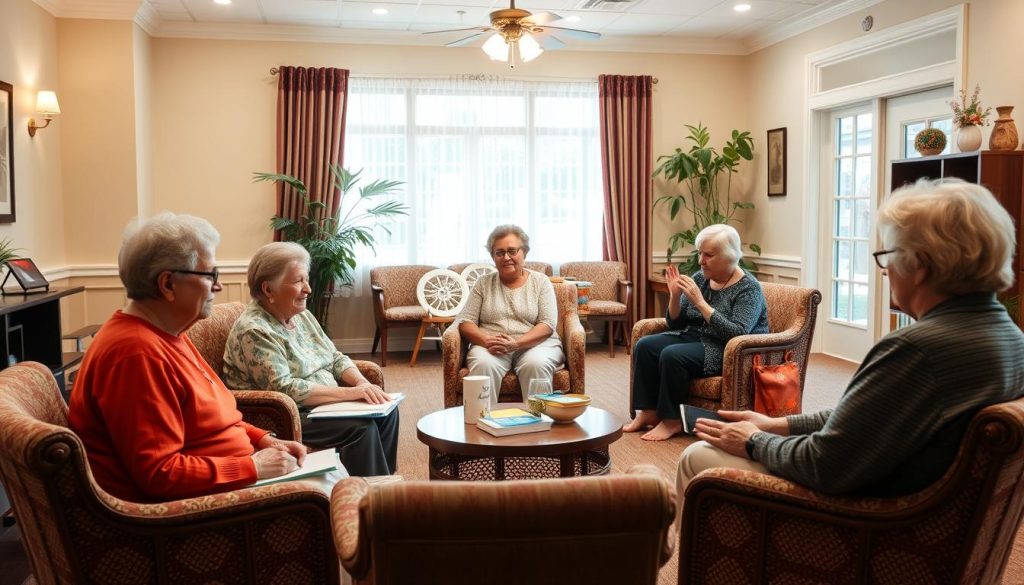
Support groups fight loneliness among seniors. They offer a place to talk and share. Community programs give more, like learning and fun activities. They make life better and help seniors feel part of a community.

According to the National Alliance on Mental Illness, mental health services help seniors stay independent and happy.
About 14.5% of people over 50 struggle with mental health issues10. Telehealth helps a lot of seniors get care from home11. Programs for their specific needs are key to helping them10.
Geriatric Mental Health Support Programs You Should Know About
Seniors need special help to stay happy and healthy. Many groups work hard to offer this help. They create programs just for older people. These programs make it easier for them to find the support they need.
Local and National Initiatives
The Coalition on Mental Health and Aging is one big effort. It focuses on what older adults need. Local groups also do their part by offering workshops at senior centers. These efforts are great for mental health and making new friends.
How to Get Involved
Helping out with these groups can make you feel good. You can volunteer at places that support elderly mental health. This can help you feel like you belong and make others feel better too. Check out more ways to get involved, like this site.
The Role of Caregivers in Supporting Senior Mental Health
Caregivers play a key role in caring for seniors’ mental health. They offer much-needed emotional help and friendship. They tackle hard issues that older people face like depression, anxiety, and loneliness. About 7% of U.S. seniors suffer from depression, says the National Institute of Mental Health12. Anxiety and mental decline are common too.
Feeling very tired, upset, and bitter can mean a caregiver is burned out. It shows they need to take care of their mental health, too, as they help others13.
Understanding Caregiver Burnout
Burnout is a big problem for caregivers who look after seniors without stopping. This job’s emotional and physical parts can make caregivers feel stressed and drained. It’s important for them to know when to take a break. Having support and helpful resources can help a lot. This makes things better for both the caregiver and the senior. Balancing caregiving and personal time stops burnout.
Resources for Caregivers
Getting the right help is key for caregivers. They need support for their and the seniors’ mental health. Many programs provide help for elderly mental health. These resources are very helpful:
- Groups where caregivers can talk and find answers together.
- Stress help sessions for caregivers.
- Classes on how to care for someone and look after yourself, too.
Making sure seniors have friends can make them feel less lonely13. Being part of activities, staying physically active, and caring for their feelings are important. Caregivers need the right support to do these. The right resources can improve life for both seniors and their caregivers.
Signs of Depression and Anxiety in Older Adults
It’s important to spot depression and anxiety signs in older adults. They often don’t say when they feel bad. So, their families and caregivers need to watch for signs. Depression shows up in many emotional and physical ways.
Common Symptoms to Watch For
Seniors show depression signs differently. Some common signs of anxiety in seniors include:
- Unexplained aches and pains
- Loss of interest in socializing or hobbies
- Changes in sleeping patterns
- Weight loss or changes in appetite
- Feelings of hopelessness and lack of motivation
- Memory issues and difficulties in concentration
More than 1 in 10 older folks get depressed. This number goes up in places like nursing homes14. Sadly, many don’t realize they’re depressed. They think it’s just getting older or some physical problem15. It’s key to stay alert. Watch for changes like pulling away from fun activities or drinking more14.
When to Seek Help
If symptoms stay for more than two weeks, ask a doctor for help14. Getting help early, especially in primary care, helps stop suicide in older adults16. Mental health support for seniors is also very helpful.
Telling older people to get help makes a big difference. It can make them feel less alone. There are treatments and therapies that really help. This shows how vital it is to respond to mental health signs.
Innovative Cognitive Wellness Resources for Older Adults
Cognitive wellness is key for good mental health in older folks. Taking part in certain activities can greatly boost brain health. It can also cut the risk of mental decline. There are many programs focused on keeping the mind and body healthy.
Engagement Activities for Mental Health
Doing things like quilting, taking photos, making music, and dancing helps a lot. They improve memory and make people feel better about themselves. They can also lessen stress. Being creative helps people make friends. This is very important for feeling happy17. Games and exercises for the brain are also used. They help make the mind quicker and stronger18.
Nutrition and Mental Health Connection
Eating well is a big part of staying mentally sharp. Foods with omega-3s and antioxidants are especially good. Starting to eat like people do in the Mediterranean or following the MIND diet can help. These diets can protect against Alzheimer’s and keep the mind from getting worse17. Programs that teach mindfulness or meditation can also help. They can lower anxiety and make thinking clearer. They also help people feel better inside18.
| Activity Type | Benefits | Examples |
|---|---|---|
| Cognitive Stimulation | Enhances memory and problem-solving skills | Brain games, memory exercises |
| Creative Arts | Reduces stress and fosters self-esteem | Painting, music, theater |
| Physical Wellness | Improves mobility and overall health | Walking, Tai Chi, yoga |
| Social Activities | Combats isolation and improves mental health | Community programs, support groups |
Good resources for cognitive wellness help older adults stay mentally healthy. They also provide a way for seniors to be social and creative. Through different programs, they can do things that make them feel good and healthy19.
Emotional Support Strategies for Seniors
Seniors need emotional support to stay mentally healthy. Making friends helps keep loneliness at bay. It stops many mental health problems. Being part of community events brings joy and improves health. Using tech to talk to loved ones makes them feel included and cared for2021.
Importance of Social Connections
Having friends is key to avoiding mental and physical issues for seniors. Research says socially active seniors face less sadness, worry, and brain problems2021. Doing hobbies or helping out gives them a sense of purpose. It makes life richer. Feeling close to family and friends fights off loneliness. This is very important for a healthy mind2021.
Mindfulness and Relaxation Techniques
Practices like meditation and yoga help seniors feel less anxious and happier. They clear the mind and reduce stress. This supports them in tackling daily issues. Hobbies like reading, music, or puzzles boost brain health and happiness2021. Adding these activities to their day helps them be emotionally strong and mentally well.
| Activity | Benefits |
|---|---|
| Community Engagement | Reduces loneliness, enhances social skills. |
| Meditation | Improves mood, reduces stress. |
| Reading | Enhances memory, reduces stress. |
| Playing an Instrument | Stimulates brain function, improves fluency. |
| Puzzles | Delays memory decline, boosts mental agility. |
| Volunteering | Provides purpose, enhances social engagement. |
Seeking Help: How to Connect with a Mental Health Professional
It is important to find a good mental health pro, especially for older folks. There are many senior mental health resources to help find the right therapist. These include online places, local health centers, and tips from your regular doctor. Getting the right mental health care is very important for seniors who are struggling.
Finding a Specialized Therapist
Some older people might be nervous about getting help. But, finding a therapist who knows about senior issues can be easy. Look at health centers in your area for a list of these pros. It’s very important to be part of your care and talk honestly with your therapist. Tools like the consumer-operated warm line make sure support is always there.
Insurance and Financial Considerations
Understanding your insurance is key to getting mental health care. It’s crucial to know what services Medicare covers if you don’t have much money. Some therapists may reduce their fees if you don’t have insurance. If you qualify, Certified Community Behavioral Health Clinics (CCBHC) let you get services the same day without worrying about cost22.
The Substance Abuse and Mental Health Services Administration (SAMHSA) has a free, secret helpline anytime you need it23. Using these services helps create a supportive space for better mental health.
Local and National Hotlines for Immediate Support
Immediate support is crucial for seniors facing mental health crises. Many hotlines are ready to help. They give support, comfort, and resources. The NAMI HelpLine is open Monday to Friday, 10 A.M. to 10 P.M. ET. It offers support by phone and text. Seniors can call the National Suicide Prevention Lifeline at (800) 273-8255. Or text “DESERVE” to 741-741 at the Crisis Text Line for quick help2425.
In California, there are special local services. They connect seniors with trained counselors to help them. These hotlines are free, so seniors don’t have to worry about costs24. They can reach out by calls, texts, or emails24. Callers will find kind volunteers ready to listen and provide specific resources26.
Knowing about hotlines and services is empowering for older adults. There are resources like the Veterans Crisis Line and Alzheimer’s helplines. It’s essential to know these support systems are available25. These organizations help promote mental wellness and a caring community for seniors.
Conclusion
It’s very important to use senior mental health resources to help older people feel better. Soon, two billion people will be over 6027. And more than 20% of those over 55 will face mental health issues. Families and caregivers need to help and not wait. Some old people might not ask for help because they feel ashamed27.
To improve mental health in older adults, early spotting and treating of mental disorders is key28. Being social and having fun hobbies also helps a lot29. We must keep raising awareness and support to meet their special needs. By stopping the bad views about getting older and focusing on strength, we can make a happy place for older adults.
Source Links
- Mental Health Services for Seniors | Members
- Senior Mental Health Care: A Guide for Families
- Mental health of older adults
- Older Adults and Mental Health
- Mental health care for older adults: recent advances and new directions in clinical practice and research
- Addressing the Unique Mental Health Challenges Brought on by Aging
- Promoting Mental Health Wellness in Seniors – Spring Mountain Treatment Center
- State TA: Supporting the Mental Health Needs of Older Adults
- How We Can Help Improve Mental Health for Older Adults
- Resources for Older Adults
- Mental Health Support for Seniors: The Role of In-Home Caregivers
- Role of Caregivers in Senior Mental Health Care | PapayaCare
- Depression in older people
- Depression in Older Adults: Signs, Symptoms, and Treatment
- Depression and Older Adults
- Cognitive Health and Older Adults
- Best Wellness Programs for Seniors
- 3 Arts-Based Innovations Empowering Older Adults to Maintain their Mental Health – Centre for Aging + Brain Health Innovation
- Unlocking Mental Wellness for Seniors: A Guide to Mental Health – Care & Help Home Care LLC
- Senior Mental Health: 7 Tips to Improve Cognition & Emotion as We Age
- Thinking About Professional Help? Here’s Where to Start
- Mental Health Resources
- Mental Health Helplines: International Directory
- Crisis Resources – Psychiatric Medical Care
- NAMI HelpLine
- Mental health and wellbeing of older people: opportunities and challenges
- How to Improve Senior Mental Health-12 Practical Ways!
- How Do We Address the Mental Health Crisis Among Older Adults?