Tag: Elderly Care Resources

  • Senior Empowerment Resources: A Guide to Independence

    Senior Empowerment Resources: A Guide to Independence

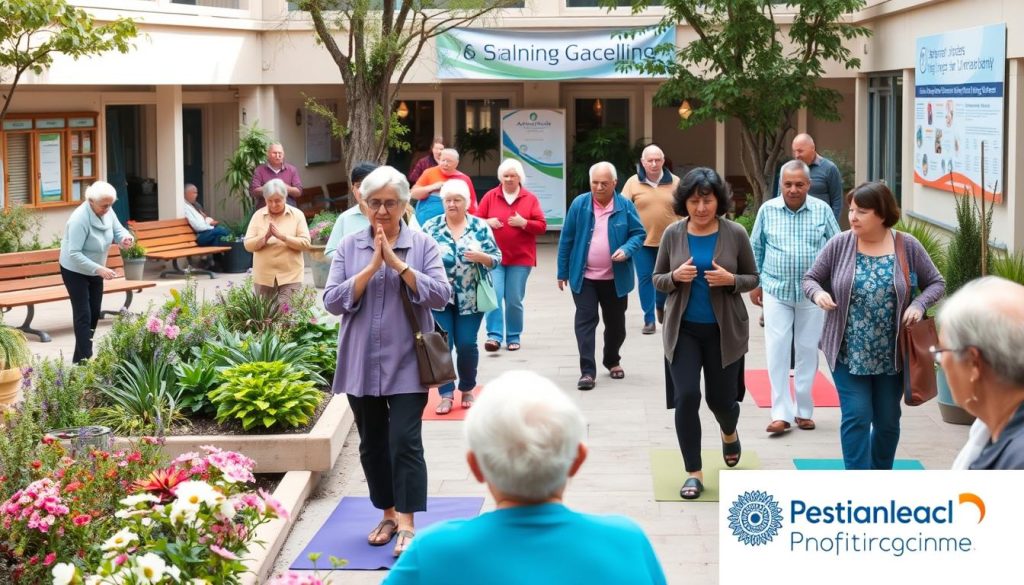
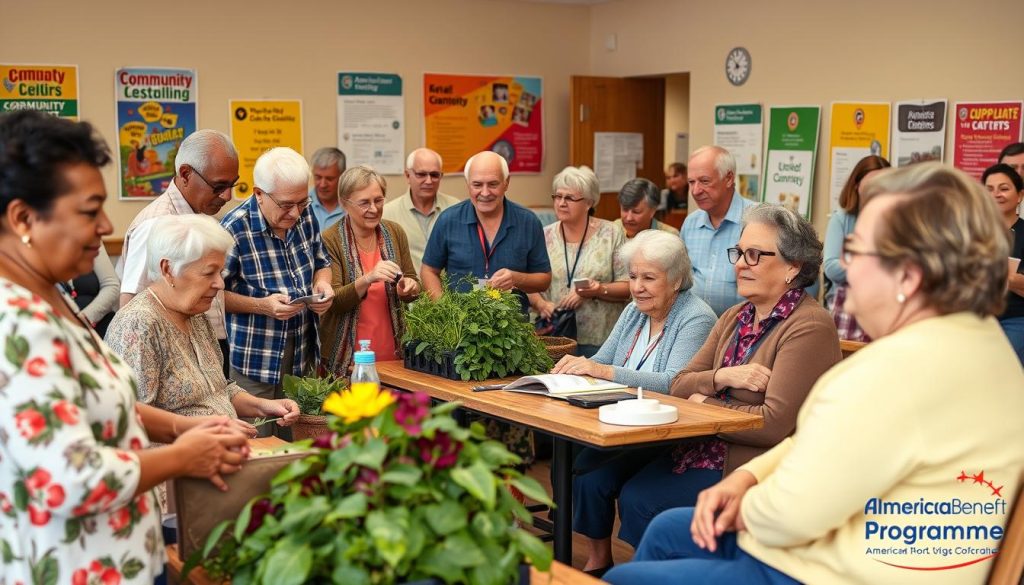
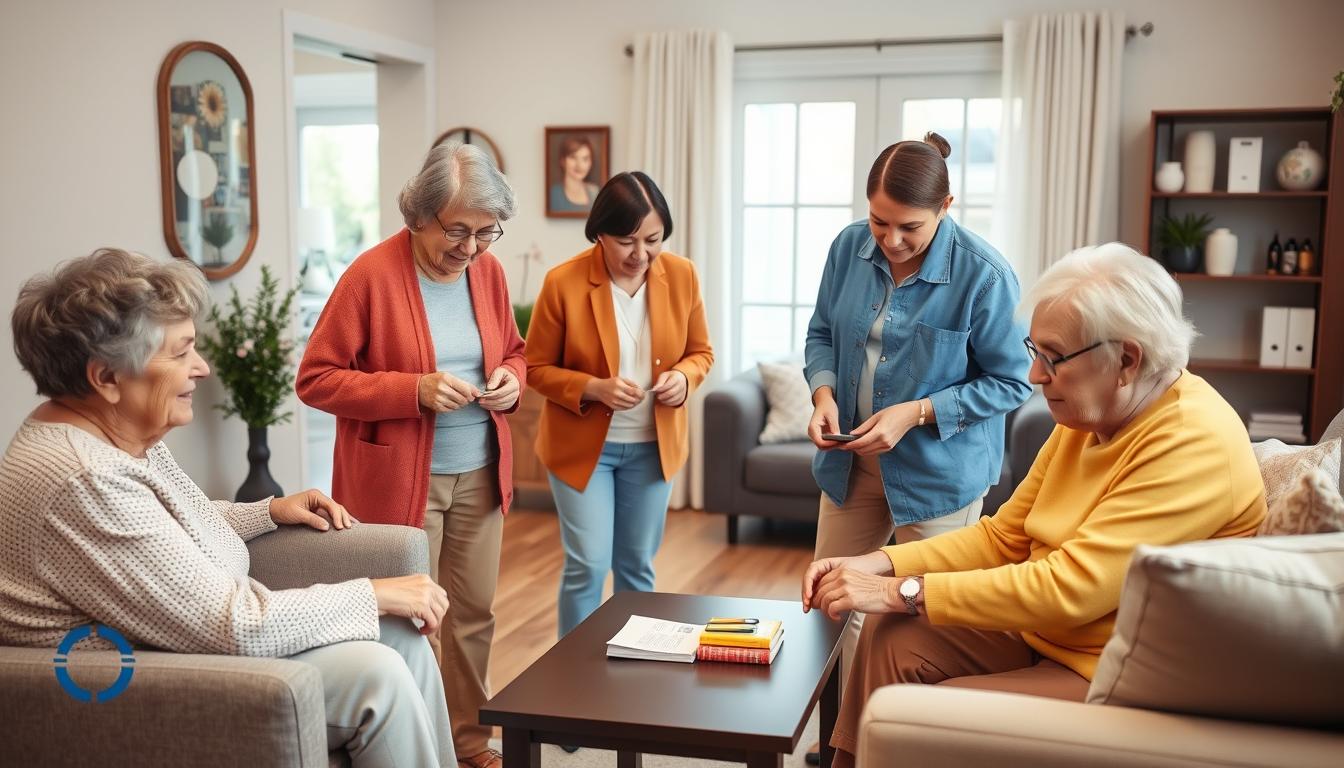
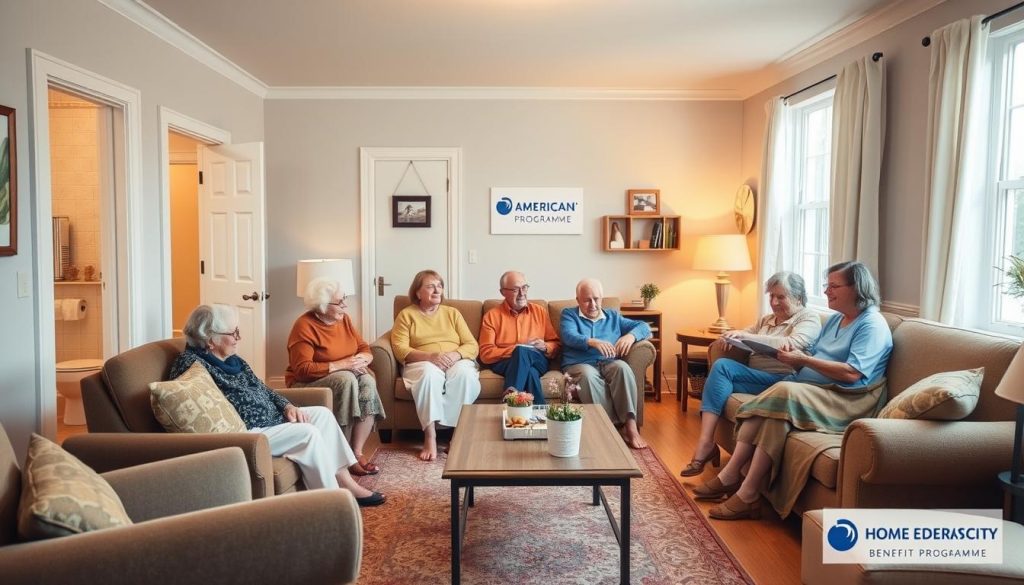
    Have you thought about how the right help can give seniors freedom? It’s key to grasp the value of empowering resources for the elderly. They help seniors live rewarding lives with more freedom. This guide showcases the wide help available for them.

    Data shows how these resources are critical. For example, Meals on Wheels fights loneliness and hunger with healthy meals1. The National Council on Aging (NCOA) offers great support too. They provide aid on benefits and health for those 60 and older1. It’s key to have social activities, exercise, and tailored care to boost independence2.

    This guide reveals how empowering seniors betters their mental and physical health. It also helps them connect more with others2. We’ll look at how to support seniors in gaining freedom and happiness. This is especially true in National Senior Independence Month, which raises awareness on this topic3.

    Key Takeaways

    • Empowerment resources significantly enhance seniors’ independence.
    • Programs like Meals on Wheels address nutrition and loneliness.
    • The NCOA offers vital support for aging adults.
    • Encouraging physical activity boosts seniors’ overall health.
    • Social engagement is crucial for emotional well-being.
    • Right Accord provides personalized care to foster independence.
    • February is recognized as National Senior Independence Month.

    The Importance of Senior Empowerment

    Helping seniors feel strong and independent improves their lives. It’s key to help them make their own choices. As people get older, they face things that make living on their own hard. This can affect their happiness and health.

    Understanding Autonomy in Aging

    Being able to decide for themselves is very important for seniors. Many deal with not being able to move well and sicknesses like arthritis and diabetes. These problems make it hard to live alone4. Still, many want to stay in their homes. It’s vital we provide services that help them do this and meet their needs5. Having friends and taking part in community events are also key. They help older folks feel less lonely and keep their minds healthy4. Offering the right help lets seniors look after their health better.

    The Role of Empowerment in Well-Being

    Feeling empowered really helps seniors feel better overall. Making their own choices boosts their confidence and happiness. This has a big effect on how they feel inside. Doing gentle exercises and brain games can keep their minds sharp4. Groups and clubs for older people are super important. They make sure seniors get the support they need for a healthier life5.

    Senior Empowerment Resources

    Finding the right help is key for seniors to stay independent. There are many groups and programs just for older folks. They help seniors live better and get the support they need.

    Categories of Resources Available

    We have different kinds of help for seniors, such as:

    • Senior Assistance Programs: These programs offer vital support services for daily living, health care, and economic security.
    • Advocacy Groups: Groups like the American Society on Aging tackle big issues. They deal with ageism, economic security, and health well-being6.
    • Online Resources: A directory with lots of services helps seniors find important information.

    How to Access Senior Empowerment Resources

    Seniors can find these helpful resources in many places. They can look online, or ask local volunteer groups. For example, the United States Administration on Aging helps seniors. They provide important services6. Empowered Aging helps around the Bay Area. They have volunteers who support at-risk folks7. Also, the Caregiver Action Network helps improve life for those caring for loved ones6. Seniors can search online or reach out to local groups for help.

    Promoting Self-Care for Seniors

    Self-care is key for seniors to feel independent. Daily routines help them stay self-reliant, happy, and healthy. By grooming, working out, and handling meds, they live better. This helps them do well in their communities.

    Encouraging Daily Self-Care Routines

    Daily self-care is good for body and mind. Seniors with solid self-care habits face fewer health problems and handle existing ones better8. Being social or doing meaningful work boosts their independence and joy8. Simple activities like dancing enhance balance and activity levels8.

    Benefits of Self-Care on Independence

    Self-care boosts physical and mental health. Hanging out with pals and joining in group fun makes seniors feel more free and self-directing8. Eating well – think whole grains, fruits, and lean meats – keeps their energy up and cuts illness risks9. Gardening and audiobooks improve mental health and offer important interactions8/9.

    Self-Care Activities Physical Benefits Mental Benefits
    Dancing Improves balance and coordination Enhances mood and social connection
    Gardening Promotes physical activity Reduces stress and fosters community ties
    Social Engagement Reduces risks of chronic illnesses Boosts feelings of freedom and autonomy
    Audiobooks Stimulates cognitive functions Encourages engagement with new ideas

    Self-care is crucial for seniors’ freedom and life quality8.

    Encouraging Decision-Making Among Seniors

    Helping seniors make their own choices is key to their freedom. By letting them choose big and small things, they feel in control. This not only makes daily life better but also helps their well-being.

    Fostering Autonomy Through Choices

    Decision-making boosts seniors’ independence. Getting them involved in their care plans meets their needs. This approach is part of successful community care10. Also, workshops teach them about health and care, helping them decide wisely11.

    The Psychological Benefits of Decision-Making

    Making choices helps seniors feel valued, which is great for mental health. Being part of decisions improves their mood and lessens loneliness. Sharing choices also builds social ties, key for a happy life10. Thus, decision-making leads to better health management10.

    Active Participation in Daily Activities

    Getting seniors involved in daily tasks is key to their independence. Doing household chores improves their sense of responsibility. It also boosts their self-esteem and health. Letting them help with setting the table, gardening, or cleaning makes them feel useful. This is important for their emotional well-being.

    Integrating Seniors in Household Tasks

    Letting seniors help with home chores connects them to where they live. Studies show planned activities boost physical, mental, social, and creative skills. They help seniors stay independent. Making activities personal can greatly increase how often residents take part12. A nice, bright place for activities can get a lot more residents interested12. When residents make friends, they’re more likely to join in regularly. This shows how key social connections are12.

    Benefits of Social Engagement for Seniors

    Socializing is key for seniors to stay sharp and avoid feeling lonely. Family activities motivate residents by 15% more12. Letting the community know about events can boost attendance by 20%12. Social activities fight loneliness and improve emotional health. Updating programs based on what residents need can keep participation growing each year by 5-10%1213.

    Modifying Home Environments for Independence

    The home setting is key for the independence of older people. making changes can cut the risk of falls, a big hazard for them14. Simple changes help make living spaces safer and more comfortable.

    Importance of Safety Modifications

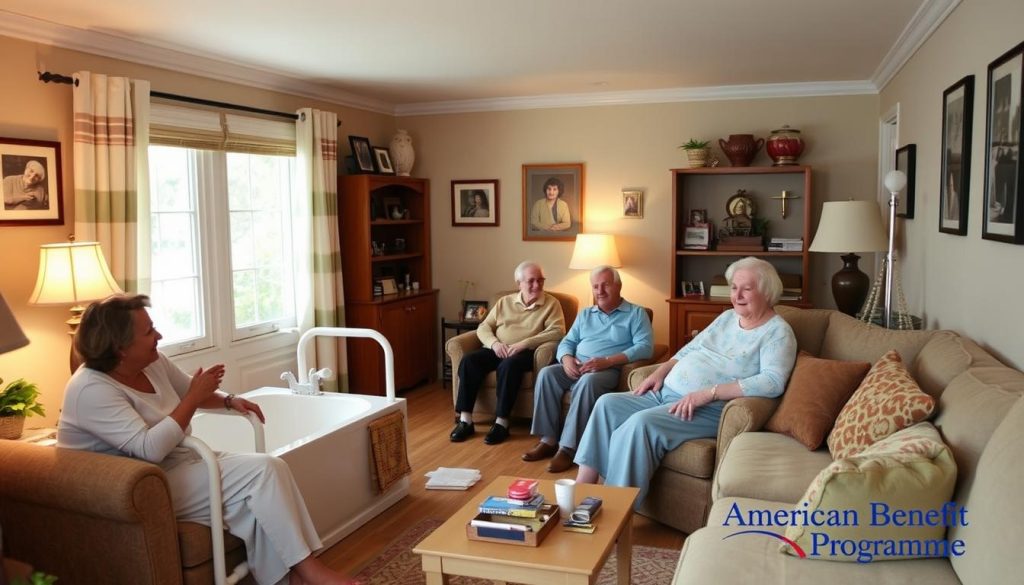
    Making changes at home is vital to keep seniors independent. Adding grab bars, ramps, and more light can help avoid falls14. Changes like walk-in showers and higher toilet seats make the bathroom safer. Higher toilets help with posture and are easier on joints. Lowering countertops helps those with less mobility do everyday tasks14.

    Practical Tips for Home Modifications

    Here are some tips to make homes safer and easier to get around:

    • Put grab bars in key spots like bathrooms. This costs $100 to $50015.
    • Choose walk-in showers over tubs. They’re safer and cost $10,000 to $12,00015.
    • Make doorways wider for walkers or wheelchairs. This costs $700 to $2,500 per doorway15.
    • Add lever faucets in kitchens for easier use. This helps those with arthritis.
    • Think about the cost of wheelchair ramps. They range from $950 to $3,00015.

    These changes help seniors live safely and comfortably. For more on home changes, check out resources for senior citizens.
    senior independence resources

    Utilizing Assistive Devices

    Assistive devices are key in helping seniors live freely. They include aids for moving around to tech for daily tasks. With these tools and senior programs, older people can do their daily activities more safely.

    Types of Assistive Devices for Daily Living

    Seniors have many devices designed for their needs:

    • Mobility Aids: Canes, walkers, and wheelchairs help a lot in preventing falls16.
    • Medication Management Devices: These help seniors take medicine on time, cutting down missed doses by 75%16.
    • Health Monitoring Devices: These help manage long-term health issues, improving user health by 60%16.
    • Communication Devices: They lower loneliness by half, keeping seniors in touch with friends16.
    • Smart Home Devices: These lower accidents at home by 40%16.
    • Personal Emergency Response Systems (PERS): They make emergency help arrive 70% faster16.

    Overcoming Resistance to Assistive Technology

    Sometimes seniors doubt tech because of wrong ideas or bad past experiences. Teaching them about tech benefits helps a lot. Like, brain games boosted memory and focus by 30%. It proves tech can help the mind stay sharp.

    Using tablets increased interest in new things by 45%. It helps seniors learn about the world. We should also tell them about places that offer free tech help. This support is key for their independent living.

    Creating a Supportive Environment for Seniors

    It’s important to make a supportive place for seniors. This helps them get help while staying independent. We aim to create an environment where older people can thrive at their own speed. Families and caregivers play a big role. They help seniors keep dignity and self-reliance.

    Balancing Support and Independence

    Good support for seniors means seeing what they can do and helping them when needed. About 25% of older Americans are not very active. This shows how key it is for them to move more17. Being involved in daily activities boosts their health and mind. Programs aimed at seniors offer help and encourage them to live an active life.

    Emotional Support as a Foundation for Independence

    Emotional support is very important for seniors to feel independent. Sadly, 17% of them feel alone, which hurts their mental and emotional health17. Programs that help them make friends are very important18. Talking openly, being understanding, and community services are crucial. They help seniors share their needs and wishes, which keeps them independent.

    Engaging Senior Support Organizations

    It’s very important for the happiness of elders to connect with senior support groups. These groups help seniors get to the resources and help they need. They make sure seniors are part of their community and feel important.

    Finding Local Senior Advocacy Groups

    Seniors should look for local groups that stand up for their rights and offer help. These groups understand what seniors need because of age, like help with moving around or feeling sad. The National Council on Aging (NCOA) knows of over 11,000 places where seniors can go every day19. Such places help seniors find out about health, money, and programs just for them.

    Utilizing Senior Assistance Programs

    Senior programs are important because they help elders live on their own. Some programs focus on staying healthy, and others help with memory problems20. Senior centers also have activities that bring young people and elders together19. Eating right is important too, and there are groups that help with that21. Using these services helps seniors stay fit and make new friends21 and20.

    Online Resources for the Elderly

    Today’s technology helps seniors feel more connected. It fights loneliness by offering many online tools. Platforms like social media and video calls help them keep in touch. They also find online places that boost their sense of power and community involvement.

    How Technology Can Enhance Connectivity

    More seniors are using tech today. It helps them feel happier. They can talk to family and find groups that share their hobbies. Tools online help them know about events and activities. This makes sure they feel part of something, giving emotional support and independence.

    Online Educational Opportunities for Seniors

    Seniors have many chances to learn online. They can study things like art or tech. Groups offer webinars and classes to help them with digital skills. This lets them try new hobbies and ideas.

    Many websites help seniors learn how to use the internet better. This makes learning easier and more useful. With help, seniors can improve their lives a lot.
    senior empowerment resources online

    Conclusion

    Helping older adults feel powerful is important for a good life. The number of seniors is rising. Many have disabilities. There are many helpers out there for them. This includes care for themselves, making choices, and strong support for freedom. With help, families and caregivers can help seniors with daily problems. This lets them be in charge of their lives.

    It’s key to fix problems that stop seniors from getting help. Like, it’s hard for some to get to the doctor, travel, or find a place to live22. Being alone too much can also make them feel sad22. If we teach people and get the community involved, seniors will know they can ask for help22. Places like senior centers and groups that fight for seniors’ rights make a big support net23.

    To make seniors’ lives better, we need many plans. With the right tools and help from the community, older adults can do well. We should help seniors talk about health care and make their own choices. This helps them get to the services they need24. Working together to help seniors be independent, happy, and social can make their future bright.

    Source Links

    1. Guide to Community Resources for Seniors
    2. How Can Empowering Seniors Enhance Their Quality of Life?
    3. Empowering Independence: How VitalCaring Supports Seniors in Living Their Best Lives
    4. Elderly Empowerment: Keys to a Healthier Life
    5. Health Empowerment Theory as a Guide for Practice
    6. Senior Resources – Empowered Senior
    7. Home – Empowered Aging
    8. 10 Self-Care Activities for Seniors for Health and Happiness
    9. 5 Ways to Empower Seniors to Age Gracefully and Comfortably | All in All Home Care
    10. Promoting Independence: Empowering Seniors in Integrated Community Care
    11. Elderly Empowerment Workshops
    12. Empowering Seniors: 11 Proven Strategies For Active Participation In Senior Care Facility Activities
    13. Empower Residents with a Holistic Approach to Activities
    14. Empowering Independence: Top Home Modifications for the Elderly
    15. Aging in Place Home Adaptations
    16. How Assistive Devices Empower the Elderly – SMPL Technology
    17. “Empowering Elderly Care: Nurturing a Supportive and Inclusive Community” – Nurses For Care, INC
    18. Independence: How We Help Older Adults Thrive
    19. How Senior Centers Empower Older Adults
    20. The 50 Best Websites for Seniors: Empowering Older Adults with Information and Services
    21. Empowering Seniors: Tips for Community Engagement and Support
    22. Empowering Seniors with Disabilities: Advocacy and Support Strategies – Pathways Home Health and Hospice
    23. Senior Community Services: Seniors are empowered toward exploration and self-discovery
    24. Empowering Seniors to Make Informed Healthcare Decisions | Resort Lifestyle Communities
  • Navigating Aging in Community Resources Guide

    Navigating Aging in Community Resources Guide

    Ever wondered how to truly thrive as you get older? Good resources and support in your area matter a lot. This guide talks about ways and tools to stay independent. It helps keep you healthy, well, and connected with others.

    Things like meals brought to your door or ways to get around are big helps. They make life better. Let’s look at great elderly care resources together. They help seniors live better and feel less alone.

    Key Takeaways

    • Community resources facilitate independence and enhance quality of life for seniors.
    • Meal delivery services are vital to ensuring seniors maintain a healthy diet.
    • Transportation services offer discounted options that help seniors stay mobile.
    • Local support networks, such as neighbors and community organizations, play a crucial role.
    • Understanding financial assistance programs helps seniors manage their resources effectively.
    • Home health care supports seniors in living independently for longer periods.

    Understanding the Importance of Community Resources for Seniors

    Community resources are crucial for the elderly. They help them stay at home with a good quality of life. These resources support being independent, staying healthy, and not feeling alone or isolated.

    Supports Independence

    Services like meal delivery and transportation help seniors live on their own. They boost confidence by helping seniors do daily tasks without much help. Being part of community programs improves mobility and access to important services. This makes life more enjoyable.

    Promotes Health and Wellness

    Community health programs offer fitness and nutritional support. This helps seniors take care of their health better. Being socially active reduces the chance of getting disabled by 43%1. Group exercises also create chances to make friends and keep physically fit. This supports seniors in staying healthy2.

    Combats Loneliness and Isolation

    Being social is key to fighting loneliness in older adults. Joining clubs or volunteering makes them feel less isolated. This is good for the mind3. Talking regularly with loved ones is also crucial. It offers emotional support and a feeling of belonging2. Actually, active seniors are less likely to get Alzheimer’s3. Taking part in community activities can greatly improve mental health and lessen feelings of being alone.

    Aspect Impact
    Meal Delivery Supports independence by ensuring access to nutritious meals.
    Transportation Services Enhances mobility, facilitating access to healthcare and community events.
    Social Engagement Programs Reduces loneliness, boosting mental health and cognitive function.
    Fitness Classes Promotes physical health, helps in maintaining a robust lifestyle.

    Key Aging Resources Available in Your Community

    In the US, communities offer lots of important resources for older people. These help seniors stay independent and make their lives better.

    Senior Centers

    Senior centers are lively spots for older adults. Here, they can meet, join in fun activities, and eat healthy meals. Over 11,000 centers welcome more than 1 million seniors every day4.

    Most people go to their center 1 to 3 times a week. It shows how these places help seniors feel they belong4.

    Meal Delivery Services

    Services like Meals on Wheels deliver healthy meals to seniors at home. This helps them eat well without the stress of cooking. These programs fight hunger and keep seniors healthy.

    Transportation Services

    Getting around is important for seniors who want to stay active. Many places have special buses and cheaper public transit for them5. This helps seniors go places, get what they need, and join in with others without waiting on someone to take them5.

    Aging in Community Resources for Maintaining Health

    It’s important to stay healthy as we get older. Community resources for seniors are key. For instance, the California Department of Aging offers many programs. These help older adults and their families6. They offer fitness and health checks. This helps seniors stay well.

    Seniors need good medical support too. The Health Insurance Counseling & Advocacy (HICAP) program helps with Medicare questions7. There are also programs to help stop falls. Stopping falls helps seniors stay independent and healthy6.

    Working with doctors is another big part of staying healthy. The Supportive Services Program (SSP) in Los Angeles County helps with this7. It makes sure seniors get the services they need. This way, seniors can stay well in their own places.

    aging in community resources

    Planning for Aging in Place

    Getting ready for old age is key so older adults can stay in their homes. They need to look at current and future needs. It also helps to change homes to be safe and easy to use.

    Assessing Current and Future Needs

    It’s important to know health conditions, how well one can move, and what they like to do. About 70% of older folks in the US think they will need care help. They expect to need it for around three years8. Checking on these things often can help make a care plan that sees problems coming. Problems like health issues, money worries, or not being able to get around.

    Most older adults, at least 80%, would rather stay in their own homes. They don’t want to move to places for retired people9. This shows how important it is to have good ways to help them stay at home.

    Home Modifications for Safety

    Changing your home to make it safe as you get older is very important. You might put grab bars in the bathroom, make the home brighter, and make sure you can get to important parts of the house easily8. When your home isn’t set up right, like with doors that are too narrow, it’s hard for seniors to live on their own9. Making these changes lets older people keep living by themselves safely.

    Modification Benefits
    Grab bars Enhances bathroom safety and reduces fall risk.
    Improved lighting Increases visibility and decreases accidents.
    Wider doorways Facilitates mobility aids such as walkers and wheelchairs.
    Accessible kitchen appliances Promotes independence in daily activities like cooking.

    Making these home changes is smart planning for growing old at home. It really helps older adults stay happy and healthy.

    Accessing Community Support for Seniors

    Seniors face challenges as they age, making access community support crucial. Local Area Agencies on Aging are a key resource. These agencies help find services that meet the needs of older adults. Eldercare Locator connects seniors to community resources for elderly quickly.

    Building relationships with local groups and governments boosts the available support for seniors. Free volunteer services like friendly visitor and senior companion programs are very helpful. They make seniors feel more connected to their community.

    Service Type Cost Structure Coverage Availability
    Home Health Care Charged by the hour Medicare limited; Medicaid varies
    Meal Delivery Services Free, charged, or donation-based Medicare does not cover; Medicaid may cover
    Emergency Medical Alert Systems Initial fees & monthly charges Not covered by Medicare; some Medicaid plans may cover

    Supportive community services are key for seniors, especially where it’s hard to find help. In rural areas, staying in their homes is very important to most seniors10. Help from family and volunteers is vital for keeping their independence.

    access community support

    Utilizing Technology to Enhance Elderly Care

    Technology is becoming super important for seniors. It helps them stay independent and happy. With online stuff and good ways to chat, they can keep up with family and friends. The right tools make getting services easy and improve seniors’ lives.

    Online Resources and Directories

    There are lots of online places for seniors to find community services. Sites like AARP and the National Council on Aging have big lists. They help seniors find what they need, like food delivery, rides, or doctors. A study showed that technology helps seniors in their daily life. It does this without invading their privacy11.

    Communication Tools for Staying Connected

    Modern tools for chatting can make elderly care better. Things like phones and tablets keep seniors linked to loved ones. This fights off feeling lonely. A study found that most adults between 50 and 64 worry about online safety12. But, tech classes at local spots help them feel brave in using these tools12. Also, programs like CLEO let kids teach seniors tech basics. This helps everyone12. Spending money on tech helps seniors stay in touch and look after their health. They use gadgets to keep an eye on their health and talk to doctors13.

    Financial Resources and Assistance Programs

    Money matters greatly affect seniors’ access to community help. Learning about and using financial help is key for a good life later on. Getting to know understanding Medicare benefits helps seniors manage healthcare costs better.

    Understanding Medicare and Medicaid

    Medicare and Medicaid are key in giving health coverage to seniors. These programs offer large financial help, making medical costs easier to handle. Knowing there are thousands of aid programs is essential14.

    Many seniors don’t know about the benefits they can get. This shows why learning about these aids is so important14. For more info, the You Gave, Now Save guide is a great tool.

    Private Financing Options

    Looking into private financial options can help seniors feel secure about their money future. Long-term care insurance, reverse mortgages, and savings are great to pay for needs. Also, home repair programs offer money help for important fixes15.

    Choosing the Right Senior Community Services

    Finding the right senior services means looking at different options that fit personal needs and likes. It’s important to know the differences between living on your own and other living choices. This knowledge helps seniors and their families make good decisions.

    Independent Living vs. Assisted Living

    Independent living lets seniors live on their own but with helpful services and friends around. Assisted living gives extra help with everyday tasks when needed. This way, seniors get more care without moving to a nursing home. Over 20% of people over 60 use community services, showing many need these special living places16.

    Caregiver Support Services

    Using caregiver support services helps families take care of their loved ones. Respite care gives caregivers a break while making sure their loved ones are safe and well. These services help families stay strong and healthy. For example, caregivers say it’s key to have help that fits with their life17.

    Conclusion

    The aging journey is closely tied to the community resources available. These resources, like senior centers and meal services, are key for seniors’ independence and health. They help older adults stay connected and tackle everyday challenges better.

    As people live longer, planning for the future becomes more critical. Americans now live five years longer than in 1980. Especially for those over 85, assistance with daily tasks is often needed. It’s crucial to use community support systems designed for their needs1819.

    Technology also plays a big part in improving seniors’ lives. It keeps them in touch with family and offers care resources. As aging evolves, finding and using these community aids will help seniors live happier, more active lives. This shows how vital community resources are for better quality of life20.

    Source Links

    1. The Importance Of Age-Friendly Communities
    2. The Importance of Community for Older Adults: A Key to Healthy Aging – Wesley SecureCare
    3. The Role of Community in Successful Aging Five Star Senior Living
    4. Get the Facts on Senior Centers and How They Serve Older Adults
    5. Administration on Aging | ACL Administration for Community Living
    6. Programs & Services – Consumer | California Department of Aging
    7. Aging & Disabilities Department website
    8. PDF
    9. untitled
    10. Community Supports for Rural Aging in Place and Independent Living Overview – Rural Health Information Hub
    11. Innovative New Technology Helps Seniors Age in Place
    12. Helping Elderly with Technology
    13. Understanding Older Adults’ Experiences With Technologies for Health Self-management: Interview Study
    14. How Older Adults Can Get Help Paying for Everyday Needs
    15. Financial Assistance Programs for Seniors
    16. Community-Based Supports and Services for Older Adults: A Primer for Clinicians
    17. Where To Begin | Resources for Aging | Benedictine Living
    18. Goal E: Improve our understanding of the consequences of an aging society to inform intervention development and policy decisions
    19. A Fitting Conclusion to a Life Well Led
    20. New AARP Survey Reveals Older Adults Want to Age in Place
  • Elder Home Safety Resources: A How-To Guide

    Elder Home Safety Resources: A How-To Guide

    Have you ever thought about how many seniors get hurt in their homes? Did you know that 1 in 4 older adults falls each year1? It’s very important to know about elder home safety. This guide gives tips and resources to keep seniors safe at home. We talk about how to plan and watch out for dangers. Families and caregivers will learn how to protect older adults living at home.

    Simple changes can make a big difference in keeping seniors safe. Installing grab bars, using non-slip floors, and smart home tech can lower risks. With these tips, seniors can stay independent and safe. This article will show you how to make homes safer for our loved older ones.

    Key Takeaways

    • Knowing about high fall risks in seniors helps make homes safer.
    • Putting in grab bars and non-slip floors prevents many accidents.
    • Tech like medical alert systems boosts safety and readiness for emergencies.
    • Getting regular health checks is key to spotting risks that could cause accidents.
    • Community resources offer more help and info on keeping seniors safe at home.

    Understanding the Importance of Elder Home Safety

    Keeping a safe home is key as people get older. Falls, burns, and poisonings are top dangers for seniors living by themselves. This shows the need for a home safety checklist2. These accidents can be very bad. Falls are the biggest reason seniors get hurt, says the National Council on Aging3.

    To stay safe, older folks should check their homes often. They should wear shoes that won’t slip and keep rugs taped down2. This can make a big difference in preventing trips and falls.

    It’s important to have smoke alarms on every floor and near where you sleep. You also need carbon monoxide detectors near bedrooms and where there are appliances that burn fuel3. Teaching seniors about scams and how someone might try to take their money is key. Elder abuse isn’t just physical; it can be financial or emotional too3.

    Making a home safe helps seniors live better and longer on their own. Taking steps to prevent accidents and changing things in the home for safety can give them peace. This is a big part of aging well.

    Common Risks Faced by Seniors at Home

    Seniors face many risks at home. Falls are very risky because they are tied to aging problems4. Floors can be tricky; carpets may trip you and hard floors can be slippery4. It’s key to check the home well to make it safer.

    Being alone too much is also bad. It can make seniors feel lonely and lead to serious health problems5. If they live alone, getting help fast in emergencies is harder5. Also, taking many medicines can cause mistakes like taking too much by accident6.

    Fires are another big risk. This is true in kitchens or with bad heating devices. It’s harder for many seniors to notice smoke or fires6. It’s really important to have smoke alarms that work, especially for changing batteries6. Having phones close and help from caregivers makes things much safer.

    Knowing all these risks is important. We should work on ways to stop falls in homes. Making homes safer helps seniors live better lives.

    Learn more about elder homesafety

    Emergency Preparedness for Seniors

    Seniors need to be ready for unexpected events. It’s important to prepare them and their caregivers. This way, they can deal with emergencies better.

    Keeping Emergency Numbers Accessible

    It’s key to have a list of emergency numbers close by. This includes 911, poison control, and family doctors. A NOAA Weather Radio is also good to have for weather alerts. The FEMA app is helpful for local emergency alerts78.

    Creating an Emergency Action Plan

    Having an emergency plan is crucial for seniors’ safety. They need to think about their health and the types of disasters that could happen. The plan should cover how to leave or stay safe at home7.

    They should also keep medical and insurance papers handy. Building a support team of family and friends is smart. This team can help during an emergency and keep important items ready8.

    Preventing Falls in the Home

    Falls can hurt older adults a lot. It’s important to stop falls to keep homes safe. Making small changes can help a lot. These changes make homes safer for older people.

    Implementing Safety Measures for Fall Prevention

    To keep safe, adding handrails by stairs helps a lot9. They make it less likely for someone to fall. It’s good to have lights all over the house9. Lights make it easy to see where you’re going. Putting grab bars by the toilet and shower stops slips10. Also, getting rid of clutter and using mats that don’t slip makes a house safer11.

    Creating a Non-Slip Environment

    Making a place where you don’t slip is key. Put strips on the floor that stop slipping9. This is really good on shiny floors. Use night lights in the halls and bedrooms11. This helps you see at night. Keep things you use a lot in easy spots9. This way, you don’t have to reach far. Having a button to call for help if you fall is also comforting9. All these tips lower the risk of falling at home.

    Essential Elder Home Safety Resources

    Making homes safe for older adults is key. Safety checklists help spot dangers at home. They give caregivers a plan to find and fix risks.

    Home Safety Checklists for Seniors

    Checklists are key tools for elder safety. They let caregivers find dangers to keep seniors safe. A big 65% of homes with older adults have safety issues12.

    It’s important for caregivers to make homes safer by:

    • Putting grab bars in bathrooms to prevent falls.
    • Making kitchens and hallways brighter.
    • Changing bed heights and adding toilet seat risers.
    • Keeping often-used items on the main floor to avoid falls.

    These changes help create a safe space and lower accident risks.

    Local Community Resources and Support Services

    Community help is big for elder safety. Area Agencies on Aging offer specific help. Many seniors may fall this year; in fact, 1 in 3 could fall13.

    Community groups can:

    • Check homes for safety.
    • Help seniors get mobility aids and safety gear.
    • Run workshops on preventing falls and improving home safety.

    Making homes comfy, safe, and fit for all ages is key to senior happiness.14

    Home Modifications for Elderly Safety

    Making changes at home is key for keeping older people safe and happy. As they get older, their needs for moving around, seeing, and thinking can change. Modifying their living space helps them live better and on their own. There are lots of programs that help with this, making safety a top thing to think about15. Making their homes safer is super important. It can stop falls and make getting around easier.

    Installing Grab Bars and Handrails

    Putting in grab bars and handrails is a great way to help elderly people stay safe. These help a lot when they need to use stairs or the bathroom, and stop falls. The CDC tells us it’s important to fix things that could cause falls15. Some groups help out if money is tight, showing how we can all help keep people safe16.

    Ensuring Adequate Lighting and Accessibility

    Good lights and easy-to-get-around spaces are super important for older folks. They need bright lights and clear paths to walk safely. About 90% of them want to stay in their homes as long as they can17. These changes make them feel more at home. Plus, they feel safer and happier.

    home modifications for elderly

    Protecting Seniors at Home from Fire Hazards

    Keeping seniors safe from fire is very important. This is because people over 65 face more dangers from fires. It’s key to install smoke alarms and plan how to escape fires at home.

    Fire Safety Equipment Recommendations

    To protect seniors, put smoke alarms on all floors. They need to work well. Many people can’t hear the smoke when asleep18. For those who can’t hear well, alarms with lights and vibrations help a lot19. Sprinklers in homes cut the risk of fire deaths by 80%19. They often stop fires in one room, which helps before firefighters get there19.

    Creating a Fire Evacuation Plan

    Seniors should practice getting out of their homes safely. They need at least two ways out. Practicing twice a year is good19. In a fire, move low if there’s smoke. Shut doors behind you. Don’t stop for things19. Using apps like Rescu means faster help during fires with just two taps18.

    Medication Management for Senior Safety

    Medicine management is key for seniors to stay healthy and safe. Older people often take many meds daily. This can lead to mix-ups and more chance of bad side effects. Over half of those aged 65 and up take four or more meds each day20. Also, seniors use 34% of all prescription meds in the U.S. but only make up 13% of the population21. It’s very important to handle meds carefully to avoid mistakes.

    Organizing and Labeling Medications

    Putting meds in clearly marked containers helps a lot. Many seniors forget things and can miss doses or take wrong amounts20. A system with colors or pill organizers makes it easier to remember their meds. Also, seniors usually use prescribed and non-prescribed meds, making things more tricky21.

    Utilizing Technology for Medication Reminders

    Tech can really help seniors manage their meds. Things like alarms, apps, and reminders keep meds on track. Many old people might not remember to take their meds because of side effects or doubts about if the meds work21. Using tech helps reduce mistakes and bad reactions, which are more likely in older people21.

    Preventing Poisoning and Toxic Exposures

    It’s really important to stop poisonings at home. This is because most happen right where we live22. Knowing what’s dangerous at home is the first way to keep safe. The places we need to watch are the kitchen, bathroom, and bedroom22.

    Identifying Household Hazards

    It’s key to know what can be harmful in our homes. Dangerous items include:

    • Cleaning products
    • Medications
    • Cosmetics and personal care products

    Lots of kids, especially infants to nine-year-olds, get poisoned by medicines23. Also, teenagers from ten to nineteen often get poisoned by accident too23.

    Proper Storage Solutions for Cleaning Products

    Making sure harmful products are stored safely can really help. Here are some tips:

    1. Keep dangerous items where kids can’t see or reach them.
    2. Make sure everything is labeled clearly.
    3. Keep medicines in their original boxes so instructions are easy to read.

    Learning not to mix certain chemicals is also super important. Spending a little on Poison Control Centers can save a lot more in keeping everyone safe23.

    Importance of Social Connections for Seniors

    Having friends and family around is key for seniors. It makes them healthier and happier. Talking and spending time with loved ones can lessen sadness and loneliness24. These close bonds give support, companionship, and a big reason to enjoy life25. Staying in touch with people helps seniors feel less alone. It leads to a better and more joyful life26.

    Engaging with Family and Friends

    Staying close with family and friends is very important for seniors. Gatherings with family bring joy, and friendships fight loneliness. Studies show being social makes seniors more cheerful, smart, and heart-healthy24. These close connections help keep their minds sharp and spirits high. It lowers the chance of feeling down or forgetting things25.

    Utilizing Community Resources for Socialization

    Many places help seniors meet and make friends. Senior centers and groups have fun things to do, like classes and meals. These help seniors stay active and mentally sharp26. They make seniors feel welcome and part of a community. It helps them live happier and more connected lives24.

    social connections for seniors

    Benefits of Social Connections for Seniors Description
    Improved Mental Health Regular social interactions reduce risks of depression and anxiety.
    Cognitive Health Maintenance Social engagement helps maintain cognitive functions and reduces cognitive decline.
    Enhanced Physical Well-Being Connections lead to better physical health outcomes and promote healthy behaviors.
    Sense of Belonging Strong social networks provide emotional support and foster companionship.

    Ongoing Safety Assessments and Reassessments

    Keeping homes safe for seniors is very important. We should check every part of their homes often. This includes the living room, stairs, bathrooms, kitchens, and outside. The goal is to avoid accidents and help seniors be more independent27. We look for things that could cause them to fall or get hurt27. We also check for fire risks and other dangers in each place27.

    Creating a Routine for Safety Inspections

    Having a regular check-up plan helps keep older adults safe. It’s good to check things often as needs can change28. To do this, we first talk to them, then closely look at what they need, and learn what they like and want29. By talking, we can make plans that make sure they stay safe and happy29.

    Looking at homes can show us what needs to change. Perhaps we need to put in bars to grab or better lights27. It’s also good to see how caregivers are doing and what help they need28. Taking steps like these helps everyone stay safe and feel supported29.

    Government Programs and Financial Resources

    Seniors can have a better life with access to government resources. There are programs for home help, safety tools, and care services. The Older Americans Act (OAA) from 1965 helps seniors live on their own30. The government gives money for food help and rides for those 60 and older30.

    Home health services are key but often have limits on coverage. Medicare covers some services for a short time. Medicaid’s help depends on the state31. Seniors might pay for things not covered, like emergency alerts. Private insurance might help some, but costs can still be high31.

    There are free volunteer programs and meals for seniors. Emergency alerts give safety but cost money monthly and might not be covered. The Eldercare Locator helps seniors find local help and support32.

    Conclusion

    Making homes safe for elders is key. It requires being proactive, checking things often, and using available help. Most U.S. adults over 50 want to stay in their homes as they get older. This shows how important it is to have tips for keeping seniors safe to help them live on their own33. Unfortunately, 1 in 10 people over 65 find it hard to live in their homes. This is why families and those who take care of them need to make sure their homes are safe and right for their age33.

    Resources like safety checklists for the home and community help can make a big difference. Although 40 percent of homes in the U.S. are ready for aging, only 5 percent have things like ramps33. By making smart changes and respecting the elderly’s wish to be independent, we aim to make homes safe and nice to live in34.

    In the end, using resources for elder home safety makes caregiving less stressful. It often falls on the family to care for them. But with the best approaches, we can ensure our elders are independent and happy. We want them to feel safe and at ease in their own homes34.

    Source Links

    1. Home Safety Tips for Seniors: A Caregiver’s Guide | HealthMax Home Health Care
    2. Home Safety Tips for Older Adults
    3. The Importance of Senior Safety
    4. 7 Hidden Hazards for Seniors at Home – Cherished Companions
    5. Staying at Home as a Senior | The Risks of Aging in Place
    6. Common Risks Your Senior Faces When Living at Home
    7. Older Adults | Ready.gov
    8. Older Adults
    9. Preventing Falls at Home: Room by Room
    10. Fall prevention: Simple tips to prevent falls
    11. Prevent Falls in Your Home – My HealtheVet
    12. Home Safety Checklist: Making Home Safer for Aging Adults
    13. 11 Elderly & Senior Safety Tips & Tools | Lifeline ®
    14. Your Home Checklist for Aging in Place
    15. Home Modification Resources
    16. Home Modifications
    17. Safe at Home
    18. Fire Safety for Seniors: Minimizing Risk at Home – Rescu Saves Lives
    19. A Guide to Senior Fire Prevention & Developing an Escape Plan | SeniorLiving.org
    20. Medication Management at Home: Tips for Seniors and Caregivers
    21. Medication Management for Older Adults – BeMedWise
    22. Prevention Tips | Poison Help
    23. Poisoning Prevention | Children’s Safety Network
    24. Promoting Social Connections for Seniors
    25. The Importance of Social Connections: Reducing Loneliness in Senior Care – Sadie Mays
    26. A Support Care Network: The Importance of Community for Senior Well-being | Senior Living Community
    27. What Happens During an Elderly Home Safety Assessment? – FellowshipLIFE
    28. Comprehensive Evaluations | Aging Life Care Services Fairfield Connecticut
    29. What Is A Home Care Assessment?
    30. Administration on Aging | ACL Administration for Community Living
    31. Services for Older Adults Living at Home
    32. Aging in Place: Growing Older at Home
    33. Home Safety Tips to Protect Your Aging Parents
    34. Elder Care: Balancing Independence, Safety, And Quality of Life
  • Navigating Senior Advocacy Programs with Ease

    Navigating Senior Advocacy Programs with Ease

    Have you wondered why it’s hard for the elderly to get help? Many older people find it tough to figure out how senior programs work. These programs are crucial as they help seniors fight for their rights and handle aging challenges.

    In recent years, we’ve seen big efforts to help seniors in many ways. Groups like the National Council on Aging (NCOA) work to make life better for them. They focus on health and money matters, helping seniors since 1950, no matter their income1.

    It’s important to know about different senior programs available. This way, older folks can speak up and change policies. With many groups, including AARP and local efforts, there’s stronger support for them2. This article will show how working together can improve seniors’ lives.

    Key Takeaways

    • Senior advocacy programs are crucial for empowering seniors to voice their needs.
    • Organizations like NCOA and AARP play significant roles in elder care advocacy.
    • Understanding various advocacy types can help seniors better access resources.
    • Local initiatives often address unique challenges faced by the aging population.
    • Barriers exist in mental health services and social isolation affecting advocacy effectiveness.

    Introduction to Senior Advocacy

    Helping seniors speak out is very important. Groups work hard to make sure older people are heard. They tackle big issues like getting good healthcare and stopping elder abuse. This helps seniors live better lives.

    Understanding the Importance of Advocacy for Seniors

    Standing up for seniors is really important. About 6,700 health workers try to make life better for them3. The Leadership Council has 56 groups helping older Americans3. Also, the National Association makes sure states look out for seniors3. Groups like Area Agencies on Aging spread the word to help and connect seniors4.

    The Evolving Needs of the Aging Population

    Seniors’ needs change because of new tech and economic shifts. Advocacy programs must adapt to these changes. They focus on challenges like loneliness and health issues. Area Agencies on Aging speak for seniors to important groups4. The AgeOptions Advocacy Task Force works to better benefits and help seniors talk to leaders4.

    Importance of Senior Advocacy Programs

    Senior advocacy programs help older adults express their needs. They make sure seniors can join in their communities. Older adults then feel heard and valued. Elder care groups let seniors make choices about their lives. This makes their lives better.

    Empowering Seniors to Voice Their Needs

    Seniors advocacy groups are key for elder communication. They provide a way for older adults to share their problems. This leads to better lives for them. Studies show seniors struggle to get healthcare. They can’t afford it or can’t get to it5. Around 5 million elders in the U.S. can’t get health services6. These programs help fix these issues.

    Influencing Public Policy for Elderly Welfare

    Advocacy programs shape laws to protect seniors. They help create rules for better access to resources. Many seniors rely just on Social Security6. They need strong financial help. Advocacy also looks at elder abuse, which isn’t often reported6. This work helps make a safer place for elders.

    importance of senior advocacy programs

    Key Advocacy Organizations Supporting Seniors

    It’s important to know how organizations help older people. They give vital help and resources for their needs. This support tackles the challenges seniors face every day.

    National Council on Aging (NCOA)

    The National Council on Aging (NCOA) is a key advocate for older adults. It aims to improve the lives of 40 million seniors by 2030. NCOA leads in health and financial well-being support.

    NCOA works with groups to offer educational stuff and fight for policies that help seniors. They focus on health care and money matters. Their work is key in supporting a growing number of older people with illnesses like Alzheimer’s7.

    AARP and Its Role in Senior Advocacy

    AARP stands for the American Association of Retired Persons. It fights for seniors’ rights and needs. AARP has worked for over 20 years on big issues like health care and saving for retirement8.

    AARP helps people learn how to speak up about their concerns. It does more than just speak for members. AARP pushes for laws and changes to make seniors’ lives better8.

    This makes AARP a big part of the fight for older people’s rights. Together with other groups, it works hard to protect and improve senior’s lives.

    Exploring Senior Advocacy Programs Available

    Senior advocacy programs help improve life for older folks. They address their needs. Understanding types of senior advocacy programs is key for seniors and families. They can find the right senior support services. These services tackle many challenges. Programs include government, nonprofits, and community groups. They focus on healthcare, financial help, and legal aid for seniors. The advocacy resources they offer can truly change senior lives.

    Types of Senior Advocacy Programs

    There are many types of senior advocacy programs. They range from local to national efforts. Notable programs cover various needs:

    • Healthcare advocacy gives access to medical services and education.
    • Financial assistance helps seniors manage their money and expenses.
    • Legal aid makes sure seniors’ rights are protected.

    These programs aim to support and empower seniors. They raise awareness and provide needed resources. For instance, the Older Americans Act helps seniors live with dignity and independence. It has made a difference for over 59 years9.

    Accessing Resources for Seniors

    It’s important for seniors to find the right senior support services. Advocacy groups give info on healthcare, financial aid, and community help. Workshops, seminars, and helplines connect seniors to support. This improves their life. Yet, some seniors struggle to get healthcare. About 30% don’t have good access.

    Money worries are also big. About 50% of seniors don’t have enough savings. And 45% are hit hard by healthcare costs10.

    accessing resources for seniors

    Advocacy programs and resources are crucial for seniors. They help older adults through different life stages. By joining these programs, seniors can feel better and more independent every day910.

    Local vs. National Advocacy Efforts

    It is very important to know how local and national advocacy efforts differ. Local senior advocacy focuses on solving community issues. They work closely with groups like Elder Rights Advocacy to help seniors. This way, they make seniors’ lives better.

    Local initiatives provide vital services such as transportation and wellness programs. They focus on the elderly’s specific needs. By working closely with the community, they quickly solve issues like loneliness. Funding from sources like the Older Americans Act supports these important programs. This close connection helps them quickly meet seniors’ changing needs.

    Benefits of Local Initiatives

    Local groups know the community’s specific needs. They build strong ties among seniors, helpers, and policy makers. This makes sure problems like mental health are quickly dealt with. These efforts get support from many places, including the Older Americans Act. It funds programs that help seniors a lot.

    Working closely with seniors, local groups quickly respond to their needs. This makes their programs more effective. They get to see the benefits of their work firsthand. This close bond makes a big difference in seniors’ lives.

    Impact of National Programs

    National groups like the NCOA and AARP are very important. They help make laws better for seniors’ health and safety. These groups aim for big changes that help many people. About 11,000 senior centers offer services to millions each year. National groups speak up for seniors, making sure their needs are heard.

    They aim to bring about big changes for seniors across the country. This helps with things like health care and safety from abuse. For more on senior advocacy, check this link11.

    Barriers to Effective Advocacy

    Advocacy for seniors hits several big roadblocks, especially in mental health. Many older adults face barriers to advocacy. These limit their access to vital help. These hurdles greatly affect their life quality. To improve advocacy, we must tackle these issues.

    Challenges in Mental Health Services for Seniors

    Getting mental health services for seniors has many hurdles. Issues include societal views, high costs, and not knowing about help. Many seniors don’t seek mental health care. The reason is the bad views and the costs they fear. The stigma around mental health stops many from getting elderly support services. This makes their problems worse. It causes big advocacy limitations in this area.

    The Role of Social Isolation in Advocacy Limitations

    Being isolated affects how well seniors can fight for what they need. Many feel lonely and cut off. This makes it hard for them to push for changes. Breaking down this isolation is key. It helps not just the seniors but makes them more powerful in advocacy. Programs that help them connect can lessen isolation. This encourages them to be part of their communities. It makes advocacy more effective.

    Strategies for Effective Senior Advocacy

    Advocating for seniors means helping them speak out and make real changes. Organizations can teach them how to talk to those in power. Knowing about the rules and help available lets the elderly fight for their rights.

    Policy Advocacy Tips for Seniors

    Seniors can really help bring about change. Here are things they can do to make advocacy better:

    • Speak up at town hall meetings to share what’s important to you with leaders.
    • Learn to write powerful letters asking for changes that help seniors live better.
    • Getting together with local groups makes your voice even louder and stronger.
    • Keep up with laws and issues that affect older people and their health care.
    • Use sites like Facebook or Twitter to tell more people about senior issues.

    Improving Healthcare Access

    It’s super important for seniors to get to the doctor easily. Some older people have trouble getting the health care they need. Fighting these issues helps seniors get better health care:

    • Support cheaper health insurance so seniors don’t have to worry about costs.
    • Push for checks that can find health troubles early on, which helps a lot.
    • Make sure doctors understand and respect all different cultures to help everyone.
    • Tools like canes and hearing aids can help seniors live on their own more easily12.

    Working with groups that help people with disabilities can make a big difference12. Seniors should know how to stand up for themselves. This leads to better rules and communities for everyone.

    Creating chances for older adults to make friends is key to a happy life12. Being alone can make health problems worse. It’s very important to tackle these problems to help seniors live well.

    Advocacy Strategy Benefits
    Participate in Local Meetings Talk directly to those who make decisions.
    Create Advocacy Groups Join forces for a bigger impact.
    Promote Preventive Care Better health for everyone.
    Utilize Technology Helps seniors with disabilities be more independent.
    Foster Social Connections Helps avoid loneliness and boosts mental health.

    Being active in advocacy means we can build communities where everyone is welcome and seniors get the care they need. These actions are the foundation of good elder care and fair health treatment.

    Advocacy works to change the way people think and act about older adults, who need more support13.

    Getting Involved with Advocacy Groups

    Volunteering with groups for seniors means you can really make a difference. You can help by being part of activities aimed at helping older adults. These volunteering opportunities in senior advocacy range from helping at events, to outreach efforts, to mentoring in senior volunteer programs.

    Volunteering Opportunities in Senior Advocacy

    Working with advocacy groups for seniors is fulfilling. It supports projects that aim to improve seniors’ lives. By volunteering, you don’t just help out; you also spread the word about issues affecting seniors. Learn more about senior services. It’s a chance to connect more and help seniors stand up for what they need.

    Advocating for Senior Rights through Collective Efforts

    When we come together for seniors’ rights, our collective voice gets louder. Teaming up can shine a light on key senior issues. This teamwork leads to better awareness, altered policies, and better programs for seniors. Everyone’s effort makes a big difference in the community, making sure seniors’ rights are respected. Volunteering drives this big change, impacting seniors’ lives for the better.

    Conclusion

    Helping older people stand up for their rights is very important. The number of older adults is growing fast. This makes it very important to help them with problems like not having enough money and being treated badly14. Older people can make big changes if they speak up together. Studies show that when they do, they learn a lot about how to get help15.

    We also need to make sure older adults are safe and can do things on their own. There are groups working to make older people less likely to fall. They check homes for safety and teach people how to avoid falls16. When we all support older adults’ rights, we help make new laws. These laws make healthcare easier to get, offer better financial help, and protect against bad treatment.

    In the end, supporting older adults does a lot of good for everyone. It makes our communities better places for them to live. By focusing on helping them, we respect their worth and freedom. We also make sure everyone knows how valuable and important they are. Putting money and effort into helping older adults is key to looking after their rights and happiness14.

    Source Links

    1. Senior Rights: A Guide to Effective Advocacy
    2. Senior Advocacy Groups
    3. Aging and Disability Advocates and Service Providers
    4. Advocacy – AgeOptions
    5. The Importance of Senior Advocacy
    6. The Importance of Senior Advocacy
    7. Advocacy Resources | Southern Gerontological Society
    8. Aging Care Advocates
    9. Senior Rights: A Guide to Effective Advocacy
    10. Senior Advocacy
    11. Elder Rights Advocacy
    12. Empowering Seniors with Disabilities: Advocacy and Support Strategies – Pathways Home Health and Hospice
    13. adv-w-op.indd
    14. Elder Advocacy: Standing Up for Senior Rights – Stepping Up For Seniors
    15. Engaging older adults as advocates for age-friendly, walkable communities: The Senior Change Makers Pilot Study
    16. Advocacy for Older Adults | High Country Area Agency on Aging
  • Navigating Health and Wellness Resources for Seniors

    Navigating Health and Wellness Resources for Seniors

    Are you seeking a better, healthier life as you age? More seniors today want to know how to age well. Last year, the National Council on Aging (NCOA) helped improve 2.9 million seniors’ lives. They showed how special programs can make a big difference1. This article will look at various resources for seniors’ well-being, helping you find your way with confidence.

    Key Takeaways

    • Understanding available health and wellness resources is essential for aging well.
    • Donation-driven programs significantly improve seniors’ health and financial security.
    • Local and national resources are vital for providing adequate care.
    • Physical activity and nutrition are critical components of senior wellness.
    • Community support enhances the aging experience for older adults.

    Understanding the Importance of Health and Wellness for Seniors

    Health and wellness matter a lot for seniors during aging. Keeping a balanced life helps older adults stay physically fit and mentally alert. It also helps them make friends2. About 11% of seniors over 65 develop Alzheimer’s dementia. This shows why we must care about their mental health2. The CDC says seniors should exercise for 150 minutes each week to stay healthy as they age2.

    Having friends is key to feeling good. Studies say 34% of seniors feel alone and miss having pals2. Regular hangouts can cheer them up. Sadly, 33% of older folks don’t see friends outside their home weekly. We need to help them connect more2.

    Resources on aging well focus on staying fit and thinking sharp. One study found that adults over 40 walking 8,000 steps a day were 51% less likely to die early than those walking only 4,000 steps3. Being active is vital for seniors to keep in good shape. Foods like those in the Mediterranean diet can also protect their hearts3.

    Good health and wellness guides can lift seniors’ lives. They should exercise, eat right, and keep up with friends. This way, they can enjoy their later years with the best advice for older folks.

    Holistic Approach to Geriatric Health

    It’s vital to look at senior health in a complete way. This means linking body, mind, and feelings. By doing this, older people can enjoy life more fully.

    Physical Well-Being

    Being physically healthy is key for seniors. Doing regular exercise helps with flexibility and staying strong4. Yoga and Tai Chi are great for moving better and feeling less stressed4.

    Home health care helps seniors stay well where they live. Having personalized care plans leads to better health5. Eating lots of fruits, veggies, grains, and lean meats keeps energy up and helps fight off sickness4.

    Mental and Emotional Health

    Mental and emotional wellness are just as crucial5. Living at home makes seniors happier, given the comfort it brings. Doing art boosts confidence and mood. Volunteering builds connections and offers a sense of purpose, cutting down on stress4.

    Meditation helps with stress and sleeping better4. Being part of a community fights loneliness and feeling left out, which many seniors face5.

    Health and Wellness Resources for Seniors

    Seniors need to get to health and wellness resources to keep their life quality high. Programs across the country help older adults with their specific needs. They offer key services that help seniors stay well.

    Local and National Programs

    Local efforts tackle problems unique to each community. Some programs offer fitness classes for seniors. These help with moving around better and preventing falls. Volunteering also helps seniors feel less alone by giving them a chance to meet others. At the national level, groups like the Administration for Community Living give out new health info for seniors6. They share news on help with costs for things like medicine and homes. This lets older folks get the important services they need7.

    Community Support Services

    Community services help seniors make friends and feel happier. They include help with getting around, which lets seniors stay free and active. There are also lots of supports for health management. These include help with money management and making health decisions when things get tough. Getting help with Medicare and learning how to manage money offers big helps to seniors handling their health care6. Being socially active, taking care of oneself, and joining in community stuff greatly boost seniors’ health and happiness7.

    Senior Nutrition Guides

    Nutrition is key for seniors to keep up their energy and health. It helps older adults choose what to eat wisely. They need protein, fiber, vitamins, and minerals to stay well. The USDA’s MyPlate is made for them to meet their special food needs8. The Academy of Nutrition and Dietetics also has great articles for senior nutrition8.

    Understanding Nutritional Needs

    As people get older, their body changes and so do their nutritional needs. The Food and Nutrition Service (FNS) helps those 60 and older get the right nutrition9. The Commodity Supplemental Food Program (CSFP) improves health for low-income seniors9. Eating different nutrients helps fight health issues and keeps seniors healthy. It’s key to spot nutritional risks early, and tools like the Enhanced DETERMINE Checklist are helpful8.

    Meal Planning Tips for Seniors

    Smart meal planning mixes nutrition with personal tastes and health needs. SNAP-Ed has resources to help seniors eat well, stay safe with food, and manage their budget8. Some good meal planning tips are:

    • Incorporate whole foods: Choose whole grains, lean proteins, fruits, and veggies for good health.
    • Batch cooking: Make meals ahead to save time and always have healthy options ready.
    • Modify recipes: Change recipes to be richer in nutrients or fit special diets.
    • Stay hydrated: Drinking enough water and fluids is vital for staying healthy.

    Using local programs like the Senior Farmers’ Market Nutrition Program (SFMNP) helps low-income seniors get fresh produce9. The Older Americans Act (OAA) Nutrition Programs let states boost nutrition services for seniors. This ensures they get the nutrition they need9.

    Senior Fitness Programs

    It’s very important for seniors to stay moving. If they keep active, seniors will be stronger and more flexible. Only a few seniors do the exercises the CDC recommends. They should do 30 minutes of moderate exercise most days and work all major muscles at least two times a week10. Health and wellness resources for seniors are key to help them do this.

    Importance of Physical Activity

    Being active lowers the risk of many chronic diseases for seniors. Community programs offer activities made just for them. Activities like Resistance Training and Tai Chi make muscles stronger and help with balance11. These activities are good for the mind, feelings, and body health.

    Types of Senior Fitness Programs Available

    There are many types of programs for seniors to choose from. They can pick what they like best.

    • Low-impact aerobics are good for the heart but easy on the joints.
    • Geri-Fit has strength training twice a week for 45 minutes10.
    • Yoga and Pilates improve balance and flexibility for better stability11.
    • Water aerobics are soft on the joints but great for fitness.
    • There are fun brain games and activities to keep the mind sharp.
    • Mindfulness and meditation classes help lower stress and make you feel better11.

    Active Choices and Fit and Strong! mix different exercises for seniors. These help them exercise safely and get the benefits of staying active1012. Using these health and wellness resources for seniors helps them live independently and have a better life.

    Elder Wellness Resources

    It’s very important for seniors to have easy access to good healthcare. There are many resources to help with this. They offer preventive care and health screenings. One can call the Eldercare Locator at 800-677-111613 for help. This includes finding in-home support and ways to get around.

    Many seniors might need home health care. This can include nursing care at home after a hospital stay or for a long illness. Be aware, these services cost money for each hour13. Also, Medicare might only cover some of these services13.

    Accessing Healthcare Services

    In places like Marjorie P. Lee, they use a method called person-centered care. It lets residents choose how they get healthcare. This makes a strong bond between staff and seniors14. They get to decide their daily schedule. This keeps them independent and makes their lives better14.

    This thoughtful approach often results in happy seniors and families14.

    Wellness Workshops and Classes

    Workshops and classes on wellness help seniors keep learning. They cover managing stress, cooking healthy, and tai chi. These programs teach important life skills for a better life. By joining, seniors build their independence and make smarter health choices14.

    elder wellness resources

    Transportation Services for Seniors

    Getting around is key for seniors to keep healthy and well. A lot of them use public transport to go to doctor visits. In big cities, 20% of seniors rely on it15. There’s also paratransit for those who can’t use regular buses. It works near regular bus routes at the same times16.

    Some local groups have cool ride options like microtransit. These are shared rides that you can call for16. Rideshare programs also make life better for many seniors. After using free rides for three months, most felt happier and saw friends more15.

    Many seniors get rides from family or friends. Over 40% get help this way15. Soon, more seniors will try out self-driving cars for rides. About 75% believe they will use this new tech15.

    Medicare Advantage (Part C) might help pay for rides. It can give a Flex Card with money for these costs. This helps seniors get to places they need to go15.

    Senior Mental Health Support

    Mental health is very important but often ignored in older adults. It’s key for their happiness and health. Older people can face mental issues like depression and anxiety. These issues can make life hard for them. About 14% of people over 60 have a mental disorder. This shows how crucial support for their mental health is1718.

    Understanding Mental Health Challenges

    Older adults can easily feel alone or without a purpose. This can make them very sad or anxious. Being isolated affects about 25% of older individuals. This can lead to serious mental health problems18. Mental disorders are a big reason why they might not enjoy life as much. We need to help them and offer the right support18.

    Therapeutic Resources and Support Groups

    It’s vital for seniors to find good help for their mental health. Being social and trying therapy or yoga can help a lot. The National Institute on Mental Health says testing new treatments is important. This helps make sure treatments work well for everyone19. Also, there are hotlines and programs made just for older people. These can be great for their mental wellness17.

    Aging Well Resources

    Seniors want to keep living on their own. There are many tools and help available for this. Things like help for moving around the house, and getting involved in community services. With the right help, seniors can live by themselves safely and healthily.

    Resources for Maintaining Independence

    Many programs and technologies help seniors stay independent. Eating well, staying active, and dealing with stress can help avoid sickness20. Learning new things is also good. It keeps the mind sharp and healthy20. Taking part in learning and community stuff makes life meaningful. It’s good for the body and soul20.

    Technology Aids for Seniors

    Technology is important for seniors’ health and happiness. Health apps are good for keeping fit and managing pills. Tools for talking with friends help seniors feel less alone. This makes them happier and healthier20. Resources like the Fairfax 50+ Facebook page offer lots of info and ways to meet people21. Many services can be reached by phone or email. They give help that fits what older adults need22.

    Resource Description Contact Information
    Department of Family Services Provides support and resources for seniors. 703-324-7948, TTY 711
    The Golden Gazette A free monthly community newsletter covering topics for older adults. N/A
    Aging Care Connections Offers workshops, fitness classes, and health materials for seniors. 708-354-1323, AWN@agingcareconnections.org
    Fairfax 50+ Podcasts Covers various topics affecting the senior community. N/A

    Senior Care Services

    As people get older, they often need different kinds of help to stay healthy and happy. There are many choices to help meet their needs.

    In-Home Care Options

    In-home care helps seniors with what they need in their daily lives. It helps them with things like dressing, bathing, and making meals.

    This kind of care also provides company which helps seniors feel less lonely. They might not be able to go out without help. Services like therapy and nursing can also be done at home.

    Assisted Living Facilities

    For those who need more help, assisted living is a great choice. These places help seniors make friends and stay active in a caring place. They also offer medical help23.

    These facilities are for seniors who need more medical care. It’s important to think about money when choosing senior care. Family help and looking into options can help make a good choice24.

    senior care services image

    Type of Service Description Typical Users
    In-Home Care Personal assistance with daily living activities Seniors wishing to stay at home
    Assisted Living Supportive community with medical oversight Seniors needing more comprehensive assistance
    Adult Day Care Day programs offering socialization and activities Seniors needing daytime support

    Geriatric Health Tips

    Staying healthy as we get older means being active in our care. This includes preventing illness and taking care of ongoing health problems. Following key geriatric health tips greatly improves our physical and mental health.

    Preventive Care Essentials

    It’s important for older adults to get regular check-ups and health screenings. These help manage disease risks like high blood pressure and cholesterol. Catching issues early helps with better treatment25. Being active for 150 minutes a week and doing strength exercises helps a lot25. Making friends and staying connected can prevent loneliness. This loneliness can lead to depression and memory problems25.

    Managing Chronic Conditions

    Many seniors have long-term health issues such as heart disease, arthritis, and diabetes. It’s key to make changes in how we live to deal with these. Eating well is critical for those 60 and up to boost health and happiness. Eating protein from beans, dairy, and seafood keeps muscles strong. It’s also important to eat foods high in potassium, calcium, vitamin D, and fiber for energy26. Sharing meals with others can make eating more fun and good for our minds26.

    Health Aspect Recommendation
    Physical Activity 150 minutes of moderate exercise weekly
    Nutrition Balanced diet with adequate protein intake
    Social Interaction Encourage social meals to boost mental wellness
    Health Screenings Regular check-ups to catch early concerns

    Using these tips for staying healthy can make life better and longer for seniors.

    health and wellness resources for seniors

    Conclusion

    It’s important for seniors to use health and wellness resources as they get older. About half of older people in the U.S. will live longer and deal with many health issues. This makes taking care of health in many ways very important. Studies show that most U.S. health money is spent on chronic illnesses. This shows why it’s key to manage health early and use important services27.

    Wellness programs help seniors make friends and keep their bodies and minds healthy. This can make their lives better. For example, working out often can cut the risk of getting dementia in half. Meeting people is also great to avoid feeling lonely28. Many older people also have mental health problems. This shows how much they need a lot of support27.

    Seniors should use local and national resources to stay independent and healthy. Data shows that few seniors do enough strength exercises. This means we need fitness programs made just for them29. By using these resources, seniors can have a happier and richer life.

    Source Links

    1. Materials for Older Adults | odphp.health.gov
    2. Promoting Health & Wellness in Seniors – SRG Senior Living
    3. What Do We Know About Healthy Aging?
    4. Living Well: Nine Holistic Approaches to Senior Health
    5. Empowering Aging in Place: Holistic Strategies for Senior Well-Being — HealthIMPACT Live
    6. Resources for Aging Adults and Their Families – National Library Service for the Blind and Print Disabled (NLS) | Library of Congress
    7. 10 Self-Care Activities for Seniors for Health and Happiness
    8. General Resources and Strategies | ACL Administration for Community Living
    9. Nutrition Programs for Seniors | Nutrition.gov
    10. Exercise Programs That Promote Senior Fitness
    11. Best Wellness Programs for Seniors
    12. Health & Wellness – The Senior Alliance
    13. Services for Older Adults Living at Home
    14. Marjorie P. Lee — Lifestyle — Senior Wellness, resources for seniors
    15. How Can Older Adults Get Help with Using Transportation Services?
    16. What Caregivers Should Know About Transportation Services
    17. Promoting Mental Health Wellness in Seniors – Spring Mountain Treatment Center
    18. Mental health of older adults
    19. Older Adults and Mental Health
    20. Aging Well – HelpGuide.org
    21. Aging Well! Resource Guide | Family Services
    22. Enrichment
    23. Community-Based Supports and Services for Older Adults: A Primer for Clinicians
    24. Home Care Services and In-Home Assistance for Seniors
    25. Healthy Aging Tips for the Older Adults in Your Life
    26. USDA MyPlate Nutrition Information for Older Adults
    27. Senior Health and Wellness Tips
    28. The Importance of Wellness Programs in Senior Living
    29. Aging Adults’ Preferences for Wellness Program Activities and Delivery Characteristics: A Cross-Sectional Survey