Tag: Aging Population

  • Joining Senior Citizen Councils: A Step-by-Step Guide

    Joining Senior Citizen Councils: A Step-by-Step Guide

    Ever thought about how joining a senior citizen council could change your social life? And increase your impact in the community?

    Senior citizen councils are key in making life better for older adults. They help make strong connections and fight for their rights. By joining these councils, seniors can take part in activities that improve their lives. They also get a say in community decisions. Councils need at least five elected Board members every three years1. More than 10,000 senior centers in the U.S. are places where seniors meet. They join wellness programs and fight loneliness, a big problem named by the Surgeon General2. This guide will show you the roles, benefits, and how-to of senior citizen councils. It aims to help you get more involved in your community and enrich your life.

    Key Takeaways

    • Engagement in senior citizen councils fosters social connections and combats isolation.
    • Participation can influence important advocacy efforts for elderly rights and services.
    • Over 10,000 senior centers offer valuable resources and programs tailored to senior needs.
    • Understanding the structure and functions of councils is crucial for effective participation.
    • Building relationships within the council can enhance community ties and support.

    Understanding Senior Citizen Councils

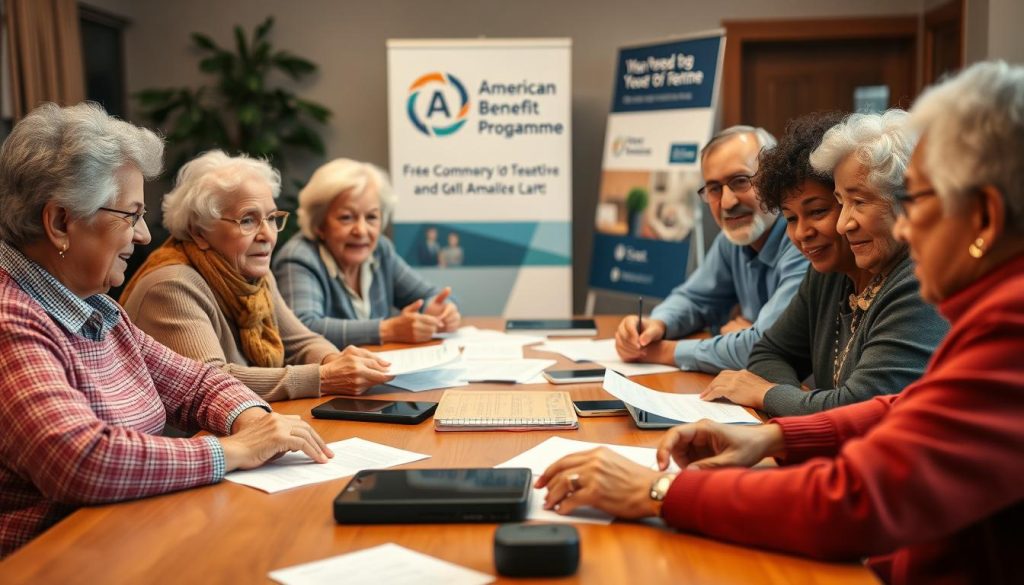
    Senior citizen councils are key for older adults to get involved in their communities. They offer a way for seniors to share what they need and fight for their rights. Being part of these groups helps seniors make friends and feel connected.

    Definition and Purpose

    These councils focus on older people’s concerns and interests. They are crucial for supporting seniors’ roles in the community. They help make sure seniors have a say in decisions that affect them.

    History and Evolution

    Senior citizen councils have changed a lot since they started in the mid-20th century. Laws like the Older Americans Act of 1973 made them more important. This change shows how we recognize the need to listen to older adults. Now, these councils play a big role in local government decisions, helping seniors34.

    Benefits of Joining Senior Citizen Councils

    Joining senior citizen councils is very good for older people. One big plus is making new friends. This is important because it makes them feel happy and less alone.

    Social Connections

    Seniors get to do fun activities together in these councils. They can join in on events and programs. Doing this helps them feel part of a community.

    This is great for their mental health too. Feeling connected can make them less sad.

    Advocacy for Elderly Rights

    These councils also help seniors stand up for their rights. They can talk about things that matter to them. This is very important.

    They work with groups that help older adults. For example, in Pennsylvania, there are services that help them. They ensure seniors get what they need5.

    There are also special programs like getting fresh food. This is something the Pittsfield Council on Aging does6. Being part of these councils makes their lives better. They fight for things that help older people.

    Finding a Senior Citizen Council Near You

    Looking for a senior citizen council near you can offer you many benefits. It can improve your social life and get you help when needed. Try community centers, libraries, or organizations to find these councils.

    Exploring Local Resources

    There are many places where seniors can find groups or clubs. Places like community centers are good to learn about these groups. They have events and workshops for older adults.

    Libraries also help by giving programs and services for seniors. This makes a better place for senior support services.

    Online Directories and Websites

    Finding senior councils is easy online. The National Council on Aging has a list of them. By clicking on this link, you can find directories. These help you connect with local groups and their activities.

    Local Resource Types of Activities Offered Contact Information
    Community Centers Social events, educational programs Call your local municipality for details
    Public Libraries Workshops, resource fairs Visit the library’s website or call
    Senior Service Organizations Health programs, advocacy meetings Check online directories for contacts

    Using these resources can help seniors find the right council. This lets seniors live a happier life in their community789.

    Steps to Join a Senior Citizen Council

    There are a few steps to join senior citizen councils. Start by doing research to learn about local councils. Find important details, like who to talk to and what to ask them.

    Initial Research and Questions

    Knowing why you want to join is key. Look into the activities and help they offer. Pick ones that match your interests. Learn about their support for seniors, like meal programs and events. These are backed by the Older Americans Act. This shows a big effort to help seniors1011.

    Think about these questions during your research:

    • What programs and services are available for members?
    • What is the membership process and any associated fees?
    • Are there volunteer opportunities for those who want to participate more actively?

    Contacting the Council

    After learning what you need, reach out to the senior community groups. Use phone or email to get in touch. Show your excitement to join and ask any questions you have. Make sure to ask about any upcoming events or meetings. This way, you can see what being a part of it is like. There are over 11,000 senior centers in the US, so you’re likely to find a good fit10.

    steps to join senior citizen councils

    Engaging with Other Members

    Being part of senior citizen councils makes people feel they belong. It helps grow community bonds. This makes seniors want to take part more.

    They can connect and find happiness in their groups. There’s always something new to do together.

    Building Relationships

    Seniors make friends by going to events and doing activities together. They share in community life every year12. This creates a friendly atmosphere where everyone helps out.

    They offer each other support. This makes friendships that go beyond age. Everyone learns from each other.

    Participating in Activities

    Being active in senior centers helps everyone feel closer. These places offer great health programs13. Through fun workshops and gatherings, seniors stay lively and in touch.

    Seniors can also teach and help, like doing neighborly favors. This shows they care about their community12.

    Type of Activity Benefits
    Workshops Improve skills and knowledge sharing
    Social Gatherings Enhance interpersonal relationships
    Volunteer Projects Bridge generational gaps and foster connections

    These activities make seniors feel important in their groups.

    Understanding the Roles within Senior Citizen Councils

    Senior citizen councils play a big part in making life better for elders. They have important leaders like the president and vice president. Knowing what these leaders do helps the council work well.

    Common Leadership Positions

    Leaders speak up for the elders and talk with the people running things. A president and a vice president lead meetings. They talk about big issues. Elders meet once a month to express their thoughts and ideas3.

    Being part of a council improves elders’ confidence and decision-making. It makes them feel in charge of their lives14.

    Committee Structures

    Committees deal with events, outreach, and speaking up for others. This way, members do what they like and are good at. Councils help plan fun events for everyone14. Good committees make sure the elders and the managers talk to each other better15.

    Knowing about different roles helps elders get involved. Together with the managers, councils improve living conditions. They make policies that reflect what elders need and want14.

    Responsibilities of Council Members

    Being part of a senior citizen council is a big deal. It really helps the community. People on the council get to share their ideas in meetings. They make sure to speak up for their friends’ needs. It’s all about being active and involved.

    Active Participation

    Council members need to show up for meetings a lot. They talk about things that make life better for everyone. They also join groups that focus on solving problems. Being part of the council makes them feel like they belong. They work hard to make things better for all the elderly folks.

    Community Representation

    It’s super important for councils to listen to different points of view. They act as the voice for older people and talk to the leaders in town. By doing this, they make sure the elderly are not forgotten. Councils also reach out to others to fix big issues together.

    Responsibility Description
    Meeting Participation Attend regular meetings to discuss issues and decisions impacting the community.
    Advocacy Represent the concerns of elderly citizens and actively push for change.
    Committee Engagement Join and contribute to committees that address specific needs and initiatives.
    Communication Maintain open lines of communication with other council members and the community.
    Education Stay informed about relevant issues and best practices to serve effectively.

    Good representation in senior councils makes the community better. It makes sure old people’s needs are met. Because of this, they enjoy a better life161718.

    Effective Advocacy within Senior Citizen Councils

    Advocacy for seniors helps make life better for older adults. It’s key for council members to aim for big changes. This means getting better healthcare, economic security, and community support for them.

    Understanding Advocacy Goals

    Senior councils work to make living well a basic right for the elderly. They improve resources and team up with others to support this cause. The National Council on Aging has pushed for better health and wealth for seniors since 195019. Programs like the Older Americans Act focus on dignity and respect in care, something advocates work hard to maintain19.

    Engaging with Elderly Advocacy Groups

    Joining forces with advocacy groups helps councils do more. Groups like AARP highlight key issues such as healthcare and retirement19. Working with the American Geriatrics Society boosts efforts to keep older adults healthy and independent20. State programs play a big part in making senior lives better by tackling problems like loneliness19.
    effective advocacy for seniors

    Resources for Senior Citizen Councils

    Senior citizen councils help members and the community in big ways. They use local resources to offer meals, healthcare, and fun activities. There are over 11,000 senior centers in the U.S. They help more than 1 million older adults every day. More than half give key services for seniors10.

    Local Senior Support Services

    Getting local support can make life better for older adults. They get help with housing, trips, and health care. Groups like the National Council on Aging work with others. They help people 60 and older21. In Georgia, Good Pill Pharmacy lets patients pay only $6 for a 90-day supply of medicine21.

    Accessing Funding for Programs

    Money is needed to keep senior councils going. Senior centers get funds from local governments, grants, and events10. A program also gives grants to states for old people. It helps pay for rides and personal care7.

    What to Expect from Your Experience

    Being part of a senior citizen council has lots of perks. It brings personal growth opportunities and helps in enhancing community involvement. You get to be in a supportive space where you can discover new interests, learn skills, and meet others.

    Personal Growth

    Senior councils help members find and grow their strengths. You can join different programs and activities. This helps you become more confident and better at talking to people. Trying new things can change how you see the world and make you feel fulfilled.

    Enhancing Community Involvement

    Senior councils play a big part in local communities. They connect more than 1 million older adults daily in the US22. By taking part, members can help with projects that make a big difference. They might plan fun events or help out in the community. Doing this strengthens the community and helps seniors make friends by working on shared goals.

    This teamwork brings out important stories and social patterns. It gives seniors a goal. They get to learn from each other and spread kindness. Volunteering helps seniors feel less alone and keep up with new cultural stuff. This makes their time in senior councils richer and shows they’re important community members.

    Growth Areas Activities Available Community Benefits
    Communication Skills Wellness Classes Stronger Community Bonds
    Leadership Development Social Events Promotion of Kindness
    Critical Thinking Educational Programs Volunteer Opportunities

    Your time in a senior citizen council is about growing personally and helping the community22. Every experience shapes your part and impact. It shows a commitment to not just yourself, but everyone’s well-being.

    Conclusion

    Joining senior citizen councils helps make life better by offering more social talks and strong support groups. These groups do great work beyond just making members happy; they fight for older people’s rights. By being active, members get to change things that impact their lives for the better.

    Recent numbers show that community help is key for over 20% of older adults23. This tells us how crucial senior citizen councils are in their communities. They make sure seniors are listened to, meeting their needs now and planning good things for the future.

    Being part of a senior citizen council means growing personally, feeling powerful, and joining a common goal. This journey betters the life quality of seniors. It makes sure everyone feels a part of something bigger, where all voices matter.

    Source Links

    1. Guide 1: Organizing and Running Resident Councils – PHA Public Housing Resident Organizing and Participation Toolkit
    2. National Senior Center Month 2024: Powering Connections
    3. PDF
    4. v2_SeniorCitizensCouncils_DENMARK_OnePageSummary
    5. About Us | Department of Aging
    6. Council on Aging, Ralph J. Froio Senior Center
    7. Senior Centers and Supportive Services for Older Adults
    8. Long Term Care, Senior Services, and Eldercare Resources
    9. Tips for Navigating the Holidays
    10. Get the Facts on Senior Centers and How They Serve Older Adults
    11. Understanding Federal Funding for Senior Centers
    12. How to Help Senior Citizens: 5 Ways to Lend Your Support
    13. How Senior Centers Can Help Elevate Evidence-Based Programs
    14. TERRABELLA WINDSOR LAKE
    15. Resident and Family Support Council
    16. Residents Council Handbook 2018_finalCOPY.indd
    17. Council Officer Roles and Responsibilities
    18. Slides – Guide 1: Organizing and Running Resident Councils – Part 2: Resident Council Structure and Governance
    19. Senior Rights: A Guide to Effective Advocacy
    20. Aging and Disability Advocates and Service Providers
    21. AGING RESOURCES | Gcoa | Georgia Council on Aging
    22. What Can I Do at a Senior Center?
    23. Community-Based Supports and Services for Older Adults: A Primer for Clinicians

  • Elderly Care Simplified: Healthcare for Seniors

    Elderly Care Simplified: Healthcare for Seniors

    Have you ever thought about making life better for older people? Soon, by 2050, nearly 82 million folks in the U.S. will be over 651. We need to focus on how to help them now. Options for senior care help with their needs. This lets them enjoy their later years with respect and happiness.

    Options range from staying at home to getting help in special facilities. It’s key to know about all the ways to help older adults. This info helps seniors and their families choose the best care. We’re about to dig into staying at home, care services, and better life quality for seniors.

    Home care lets seniors be more independent. Getting around can be hard for them2. So, a full plan for their care is very important. Let’s explore how to make senior care better in the U.S.

    Key Takeaways

    • The senior population is rapidly increasing, necessitating effective healthcare strategies.
    • Home care services allow seniors to remain in the comfort of their homes.
    • Personal care and healthcare can be tailored to fit individual senior needs.
    • Transportation remains a significant issue for many older adults.
    • Family involvement is crucial in making informed care decisions.
    • Technological advancements are shaping the future of elderly care.
    • Maintaining independence is a key goal for many seniors seeking care options.

    Understanding Aging in Place

    Aging in place lets seniors keep their independence by living in familiar places. It makes them happy and gives them control over their lives. Most seniors, nearly 90 percent, want to stay in their homes, AARP3 says. Knowing how to help them make this choice improves their life quality.

    Definition and Importance of Aging in Place

    Seniors staying in their homes as they age is what aging in place means. It keeps them comfortable and stable. Checking health like diabetes or heart conditions is key to see if they can live on their own4. Planning well and using resources are important to keep their freedom.

    Services to Support Aging in Place

    Many services help seniors stay at home. They cover health care, personal help, and more. Services can be short for recovery or long for constant aid4. Some common supports are:

    • Personal care assistance
    • Household chores
    • Meal preparation
    • Money management
    • Healthcare assistance
    • Transportation aid
    • Home safety measures

    Family and friends often provide these supports. Formal caregivers and community services help too4. Programs like Medicare and Medicaid help pay. Local aging agencies and community groups offer extra help4.

    Types of Senior Care Services

    Families looking after elderly loved ones need the right senior care services. Knowing the available options helps make good choices. Here are the main types of senior care, each meeting different needs.

    In-Home Care

    In-home care helps seniors get personalized help in their homes. This can make them feel more comfortable and safe. They might get help with driving, cleaning, and everyday tasks. It helps them stay independent but supported56.

    Assisted Living Facilities

    Assisted living helps seniors who need help with daily stuff but still want some freedom. They get help with personal care and can join in social activities. This creates a community feeling. These places often have great food and round-the-clock emergency help6.

    Nursing Homes vs. Home Care

    Nursing homes provide top care around the clock for those with serious medical needs. They are set up for tough health conditions and rehab. But, home care gives more personal help at home. Choosing depends on the care needed and what the senior prefers57.

    Healthcare for Seniors: Navigating Medical Needs

    As people get older, they have special health needs. They must look closely at chronic conditions like diabetes, dementia, and heart disease. This is key to keeping a high quality of life. They need to know their health requirements and how to move through the healthcare system.

    Common Health Issues in Seniors

    Older folks often face various health problems that need early care. Chronic illnesses are the main concern, needing ongoing attention. Conditions like heart disease can make it hard to move around. This can lead to poorer health if not taken care of. Talking well with doctors is crucial. Having someone trusted at doctor visits can help seniors understand their health better8.

    Access to Geriatric Medical Care

    Getting to see doctors who specialize in older adult health is very important. Medicare helps a lot by covering hospital stays and medicines. Knowing the difference between in-network and out-of-network doctors can change how much money seniors spend on health care9. It’s good for them to know about Medicare and how it works. Care managers can give advice on choices.

    Some seniors might get help from both Medicare and Medicaid, giving them more coverage9. Senior centers can also help by talking about how to handle health care costs. This makes it easier for older adults to pay for their health needs8.

    Home Care Services for Seniors

    Home care services help seniors stay independent at home. They get the help they need to live well. Seniors can stay comfortable in their own homes with this help.

    Personal Care Assistance

    Seniors get help with things like bathing, dressing, and cooking meals. This help is very important. It lets them enjoy life and meet their needs better.

    Healthcare Services at Home

    Nurses and therapists visit seniors at home for care. They help with meds, treat wounds, and do therapy. Some get visits often or even 24/7 care10. This care is paid by the hour. Medicare may help but only for a little while10.

    Importance of Companion Care

    Companion care gives emotional support to seniors. It helps them feel less lonely or isolated11. Some volunteers visit seniors for free. This shows our care for the elderly. But, Medicare or Medicaid usually don’t pay for these visits12.

    home care services

    Service Type Description Average Cost Insurance Coverage
    Personal Care Assistance Assistance with daily activities Varies by provider Limited coverage by Medicare
    Healthcare Services Medical services provided at home Billed hourly Limited Medicare coverage available
    Companion Care Social interaction and emotional support Varies by service Not covered by Medicare or Medicaid

    Evaluating Senior Living Options

    Finding the right place to live as a senior means thinking about your lifestyle and health. Independent living and retirement homes offer different perks for growing old gracefully.

    Independent Living Communities

    Independent living is great for older people who can take care of themselves. They get to live an active life with friends. They also have the freedom to make their home their own. Plus, there are lots of fun activities and things to do that keep them healthy. People should check their needs for daily help to choose the best place for them13. Being able to move around easily, especially with things like walkers, is key14.

    Retirement Communities and Their Benefits

    Retirement homes mix homey feels with health care. These places have everything from apartments to full-time nursing. This helps people as their health changes over time13. There are even fancy meal options that fit dietary needs14.

    It’s important to look closely at communities to make sure they are safe and have the right licenses14. Knowing about yearly cost increases and extra fees is also important for planning your budget14.

    Type of Community Level of Care Key Benefits
    Independent Living Minimal Active lifestyle, social engagement, personalized living.
    Retirement Community Varies Continuum of care, various health amenities, dietary services.
    Assisted Living Moderate Support with ADLs, social activities, and community services.
    Skilled Nursing Facility High Intensive medical care, rehabilitation services, 24/7 oversight.

    Always ask about special deals and prices that can be talked down when looking at places. This careful checking helps find the best retirement home for seniors’ needs and likes13.

    Promoting Senior Wellness Programs

    Senior wellness programs are key to improving the health of older adults. They focus on the importance of staying active and eating well. This helps seniors live healthier lives. Being active improves strength, movement, and brain health.

    Physical Activity and Exercise

    Staying active is very good for seniors, making them healthy and strong. Sadly, less than 42% of those aged 65–74 exercise enough15. And even fewer work on building their strength. Exercise programs help seniors get moving more. This can make them feel better overall.

    Nutrition and Healthy Eating

    Eating right is vital for seniors for better health and keeping diseases away. But, only a few older adults eat enough fruits and veggies15. Senior wellness programs teach them about good nutrition. This helps them stay energetic and healthy.

    Financial Planning for Elderly Care

    Planning for elderly care can seem hard, but with the right steps, it gets easier. We’ll look at budgeting for home care and understanding Medicare. These are key for making good choices for elderly care.

    Budgeting for Home Care Services

    When it comes to budgeting for home care, it’s important to know how much money you need. Financial planners can guide families, ensuring they pick the best care. In Florida, there are nine Financial Planning Association chapters. They help families with planning for the elderly16. They offer advice tailored for seniors to manage money and choose the right care.

    Understanding Health Insurance and Medicare Options

    Seniors must understand their health insurance and Medicare choices. For example, Medicare covers many services, but not all senior living needs. Private pay or insurance might be needed17. Also, spouses of veterans may get up to $2,200 a month to help with costs17. As elder fraud increases, it’s essential to protect information while handling money17.

    State Financial Planning Association Chapters
    Alabama 2
    California 14
    Florida 9
    Illinois 3
    Michigan 1
    Nevada 3
    New York 8
    Ohio 5
    Pennsylvania 3
    Texas 6

    A good budget and knowing Medicare options are key for stress-free elderly care. Finding a financial planner in your state can help make smart care choices. For more help, use resources from local planners like this helpful guide1617.

    Family Support and Caregiver Resources

    Bringing family into elder care choices helps seniors greatly. Loved ones coming together ensures choices fit the elderly’s needs. This makes for a happy, healthy life for seniors.

    Involving Family in Care Decisions

    Many voices make wise choices when caring for elders. Talking together helps find what each person wants. This teamwork makes families stronger and helps with caregiving stress. About 88 percent of caregivers feel help boosts their skills. This shows caring together matters a lot18.

    Finding the Right Caregiver

    Finding a caregiver means looking at their skills and how well they get along with the elderly. Families must look at experience, health knowledge, and if they’re around when needed19. Caregivers need support and advice too20. A strong support network is key for good caregiving.

    family support in elder care

    Assessing the Aging Population Health Trends

    The health of older people is very important as our society changes. We must understand these changes to meet the growing health needs of the elderly. Current facts show the main health problems they face.

    Current Statistics on Senior Health

    Most older adults have at least one chronic illness, making special healthcare very important21. Sixty percent live with two or more chronic conditions, raising their healthcare costs21. In 2020, the average older adult spent nearly $7,000 on medical bills22.

    Many older people find medical documents hard to understand. This makes health decisions difficult22. About 1 in 4 older adults feel isolated, which harms their health22. More older people in all countries mean big challenges for healthcare worldwide23.

    Future Projections for Elderly Healthcare Needs

    The number of Americans over 65 will grow from 58 million in 2022 to 82 million by 205021. The group over 85 will triple. This shows we need more healthcare workers fast21.

    Health systems face money worries because people live longer and there are more old people23. The way we provide healthcare will need to change soon23. Planning and new ideas are key to care for older people’s different health needs23.

    Conclusion

    Caring for seniors well means thinking ahead and giving them lots of support. It’s key to bring together elder care help, health programs made just for them, and good places for seniors to live. This mix helps seniors stay healthy and happy.

    As people age, their healthcare needs get more complex. Families need to keep up with these changes. This includes understanding that what seniors want for their care can change. About 35% of seniors change their minds about treatments to keep them living longer24. Also, the oldest seniors are growing fast in numbers. This shows we need more studies and help for them25.

    To make life better for our older loved ones, it’s smart to invest in wellness programs for seniors. Also, getting them the right help for their care is crucial. By talking more and focusing on staying healthy before problems start, families can make the aging journey happier and more colorful for their senior members.

    Source Links

    1. Elderly Care Technology: 6 Trends Shaping Home Health in 2025
    2. Home Care Services and In-Home Assistance for Seniors
    3. The Value of Aging in Place
    4. Aging in Place: Growing Older at Home
    5. 8 Types of Senior Care & Living Options | Eden Senior Care
    6. The Differences Between All 8 of The Senior Care Options
    7. Different Types of Eldercare & Care Homes
    8. The Medical Minute: Simple steps to help seniors navigate their health care
    9. Navigating Healthcare: A Comprehensive Guide for Seniors – Total Life
    10. Services for Older Adults Living at Home
    11. Help In Your Home
    12. Senior Services
    13. Senior Living Options: What Retirement Housing Options are Best?
    14. How to evaluate a senior living community
    15. Aging Adults’ Preferences for Wellness Program Activities and Delivery Characteristics: A Cross-Sectional Survey
    16. Caring for Your Parents | Finances : Start Planning Now
    17. Financial Advice Every Senior Should Know
    18. National Family Caregiver Support Program
    19. Family Caregiving: Help and Support for Family Caregivers
    20. Caregiver resources
    21. Healthcare on the brink: navigating the challenges of an aging society in the United States – npj Aging
    22. Social Determinants of Health and Older Adults
    23. The Health of Aging Populations – Preparing for an Aging World
    24. Conclusion – Values of Older Adults Related to Primary and Secondary Prevention
    25. Conclusions and Recommendations – Changing Health Care Systems and Rheumatic Disease
  • Exploring Long-Term Care Options in the US

    Exploring Long-Term Care Options in the US

    Have you thought about needing long-term care as you get older? It’s important to know about care options. Nearly 73 million folks in the US will be over 65 by 20231. A person who is 65 today might need care later on2. Looking into elder care is part of planning for retirement.

    Choosing the right care can be hard for families. Assisted living costs about $54,000 a year. Nursing home care may cost about $108,405 yearly2. It’s key to think about care needs and money. This article talks about care options, elder law, money matters, and legal issues.

    Key Takeaways

    • A lot of older adults will need long-term care as they age.
    • Caregiving can make things hard financially for families.
    • It’s crucial to look at care needs for planning.
    • Knowing costs of care options helps decide wisely.
    • Legal stuff is big in planning elder care.
    • Don’t forget insurance when planning for retirement.

    Understanding Elder Law and Its Importance

    Elder law is a branch of law for older folks. It gets more important as more people age. It helps seniors with legal issues and protection3. Elder law deals with things like estate planning and protection against elder abuse.

    What is Elder Law?

    Elder law mixes legal help with medical and social services for the elderly4. It tackles important things like guardianship, and planning for Medicaid and Medicare. Most people over 65 will need long-term care, so planning ahead is vital4.

    Key Areas of Elder Law

    • Estate Planning: Helps in sharing assets, lowering taxes, and stopping family fights.
    • Medicaid Planning: Keeps finances stable while protecting assets during long-term care costs.
    • Guardianship: Helps make decisions for those who can’t because of health issues.
    • Elder Abuse Laws: Forces nursing homes to report abuse or neglect right away. This keeps older people safe4.

    Why Seek Legal Advice?

    Talking to an elder law lawyer helps people make smart choices about healthcare and where to live3. It’s good for advice on Social Security and retirement to keep money safe3. Planning early also stops expensive legal fights and asset problems, especially when family can’t be close by to help5.

    Types of Long-Term Care Options Available

    When we look at long-term care, we see many different services. These services help meet individual needs. They range from help at home to special places for care.

    Here are some main options for long-term care:

    In-Home Care Services

    With in-home care, seniors get help right in their own homes. Friends and family often help out. But there are also formal helpers who provide more support.

    These services help with daily tasks. This is key to keeping independence and living a good life6.

    Assisted Living Facilities

    Assisted living lets folks live on their own but with help when needed. They offer care, fun activities, and chances to make friends. Meals and medical help are also part of the deal.

    They also have special programs for people with Alzheimer’s or dementia. This ensures their safety and happiness6.

    Nursing Homes

    Nursing homes are for seniors who need a lot of medical care. They offer skilled nursing and personal care. People with bigger health needs fit well here.

    These places have staff on hand all the time. This means residents always have someone to help them6.

    Memory Care Units

    Memory care is for folks with Alzheimer’s or similar issues. They provide safe places with care plans tailored to memory loss. This care lets people keep their dignity while getting daily support6.

    If you’re looking into long-term care, knowing your options is important. Understanding the services, costs, and benefits helps families make good choices. For more info, check out this resource.

    The Role of Elder Law Attorneys

    Elder law attorneys guide families through tough decisions about long-term care. They become more important as our population gets older. These lawyers give legal advice for retirement planning, help with Medicaid, and prepare families for elder care challenges.

    How They Can Help You

    Certified elder law attorneys guide families through choices about care. This includes nursing homes and in-home care7. They help with guardianships, asset protection, and legal paperwork for seniors. Their help covers areas like abuse in nursing homes and planning for disabilities, making sure families are supported when times get hard8.

    Finding a Qualified Elder Law Attorney

    Look for elder law attorneys certified by the National Elder Law Foundation. This is the only group the American Bar Association recognizes for this field7. Check their experience and knowledge of local laws. It’s also good to find someone who knows about Medicaid, Social Security, and veteran’s care8.

    Preparing for Your Consultation

    Get ready for your consultation by gathering financial documents and personal info. List your questions to make sure you don’t forget any during the meeting. Speaking to elder law attorneys early helps protect your estate and health care wishes if you cannot make decisions later. This approach reduces worry and helps families make important choices about finding a lawyer for elder care.

    Area of Assistance Description
    Navigating Medicaid Elder law attorneys help families understand and apply for Medicaid, a vital resource for many seniors7.
    Long-Term Care Options They provide counseling on the best long-term care options available based on individual needs8.
    Asset Protection Assistance is available for protecting family assets while considering long-term care needs8.
    Guardianship and Powers of Attorney They aid in establishing legal protections like powers of attorney and guardianships in advance8.

    Financial Considerations for Long-Term Care

    Getting ready for long-term care needs understanding costs and available money help. It’s key to know the usual costs. About half of retirees won’t have to cover long-term care costs9. This can lessen money worries. Conditions like dementia can increase the need for such care9.

    Understanding Costs and Expenses

    Long-term care costs a lot. In 2023, yearly costs in the US go from $24,700 to $116,80010. Nursing homes charge a lot, especially for shared rooms, at about $8,929 a month10. Costs for assisted living change a lot too. In the Midwest, they range from $3,500 to $8,000 monthly. This depends on the care level needed10.

    Insurance Options for Elder Care

    Looking into long-term care insurance is important when planning for retirement. Many pay for care costs from their savings11. They cover about 85% of their care costs themselves11. However, those considering insurance need to know about waiting times and max payouts of policies9. Insurance can be pricey, making it hard for older people or those not well to afford9.

    Medicaid and Medicare Coverage

    It’s key to understand how Medicaid and Medicare help with long-term care costs. Medicaid helps low-income people after their money is all spent9. It may help with assisted living costs in some places11. Medicare offers limited support. This makes it key to talk to a financial professional. They can guide you on options and how they affect estate planning and taxes11.

    financial planning for retirement

    Assessing Personal Care Needs

    Finding out what personal care you or a loved one needs is crucial. It helps you make smart choices about long-term care. Looking at what care is needed can mean a better life and good health management. It also lets individuals and families plan their care based on what they need and like.

    Determining the Level of Care Required

    To figure out the right care level, people look at health, daily tasks, and well-being. As people get older, they might need more help. So, it’s important to think about different support options. Families need to check on physical, brain health, and medical issues that impact daily life12. This detailed check makes sure the care chosen fits the person’s needs.

    Evaluating Your Living Situation

    Looking at where you live is a big part of checking your care needs. You should talk about how easy it is to get around your home, if help is available, and chances to socialize. The place you live can really affect your health and the support you need. Knowing this makes sure families are involved in picking elder care, making it a group effort13.

    Involving Family Members in Decisions

    Having family help with elder care choices can make things better. It lets everyone talk about what they prefer, care choices, and money matters with long-term care. In the U.S., families, like kids or grandkids, pay for most of the home care. This shows how key family support is when planning care14. Working together helps in checking what help is out there and picking the best care.

    Planning for Future Health Care Decisions

    Planning for future health care is key for everyone. It’s a way to make sure your health care wishes are known before there’s a crisis. You create important papers like living wills, choose a health care buddy, and decide who can make decisions if you can’t. Studies show that often people guess wrong about what their loved ones would want at the end of life. It shows why it’s super important to talk about and write down your wishes15.

    Advanced Directives and Living Wills

    Advanced directives are super important when planning ahead. They are special papers like living wills that say what kind of medical care you want or don’t want if you can’t speak for yourself. Having these ready makes it a lot more likely you’ll get the care you want15. You should check your papers every year or when big things in life happen. This way, they always match what you want now16.

    Power of Attorney and Guardianship

    Giving someone you trust the power to make medical decisions for you is a big deal. This is called a power of attorney. It’s super important in emergencies. Without this plan, state laws pick who makes decisions for you, usually family. That’s why you need to pick your health care buddy. It helps avoid mix-ups or arguments during hard times15.

    Benefits of Early Planning

    Starting to plan ahead early has lots of pluses. It helps you feel in control of what happens in future health situations. You get to decide on your care before anything happens15. This chat isn’t just for older people or those who are sick. Everyone benefits because emergencies can happen at any age15. Also, planning things like organ donation and funeral stuff helps your family not worry about those details. They can just be there for each other16.

    Resources for Long-Term Care Planning

    Finding good long-term care resources is key for families. They need help with elder care plans. Many groups, both big and small, offer help and knowledge. These resources help families choose the right care, making sure they get the right assistance in care planning.

    National Organizations and Support Groups

    Groups like AARP are very helpful. They charge $12 for the first year with Automatic Renewal. Members get info on long-term care planning, including Medicare and Medicaid options and housing for seniors. They also get planning tools, newsletters, and articles on important care topics related to long-term care17.

    Local Resources and Community Services

    Local helpers like Area Agencies on Aging are also important. They help families learn about local care options. Over 60% of caregivers have work troubles because of their duties. This shows how vital local support is18.

    Online Tools and Calculators

    Web tools and calculators hold a big role in planning for long-term care. They help families figure out how much money they might need. A person might need around $165,000 for health care after retiring18. These online aids make planning easier and more doable.

    Resource Type Description Example Organization
    National Organization Provides information and support on long-term care. AARP
    Local Agency Offers community services and guidance for seniors. Area Agency on Aging
    Online Tool Helps estimate long-term care expenses and options. Various Calculators

    Using these resources helps families feel sure about their long-term care choices17.

    Legal Challenges in Long-Term Care

    When you look at long-term care, there are a lot of legal issues that may pop up. These issues might surprise families. They include problems from not understanding care agreements and services. Knowing the state laws helps plan better care for the elderly.

    Common Legal Issues Faced by Families

    Families might face issues like:

    • Disputes over power of attorney authority.
    • Challenges in accessing government benefits like Medicaid.
    • Conflicts related to guardianship and conservatorship.
    • Disagreement among family members regarding care preferences.

    About 70% of Americans over 65 will need long-term care at some point19. It shows why it’s key to sort out these issues early.

    The Impact of State Laws on Care Options

    State laws set rules for care options and who gets long-term care services. They decide things like Medicaid rules. Knowing these laws helps pick the right care places and understand costs.

    How to Resolve Disputes and Challenges

    To fix these disputes, talking and sometimes mediation help. It’s good to have a lawyer who knows elder law. They make sure everything is done right and fair. Starting early and knowing your rights helps avoid many problems.

    legal challenges in elder care

    Mediation or family talks can help solve conflicts. This means better care and happier families.

    Staying Informed About Changes in Elder Law

    It’s very important to keep up with elder law. This helps families understand complex care needs. By knowing about new laws, we can make smart choices for our loved ones.

    Keeping Up with Legislation

    New laws for elder care keep changing. In 2023, many places made rules for better senior care20. These include changes for guardianship and protection against abuse20. It’s good to follow newsletters and groups to stay informed.

    Importance of Ongoing Legal Support

    Understanding elder law can be tough. Topics like estate and health care are complex21. Elder law experts are key in protecting assets and avoiding family disputes21. Seeing them regularly helps with new challenges.

    Educational Workshops and Seminars

    Learning more through workshops is helpful. They explain rights and options clearly. Topics include advance care planning and changes in retirement laws like the SECURE Act22. This knowledge helps families make wise elder care decisions.

    Topic Description Benefits
    Legislation New laws improving access and protections for seniors. Ensures quality care and safeguards against abuse.
    Legal Support Ongoing consultation from elder law attorneys. Reduces risk of costly financial exploitation and ensures clear asset distribution.
    Workshops Educational sessions on planning and legal rights. Empowers families to navigate elder care decisions with informed perspectives.

    Check out this link for more on elder law and planning.

    Conclusion: Making Informed Choices for Elder Care

    Understanding different long-term care options is key. It helps in making smart choices for elder care. It’s also important to know about elder law to protect rights and preferences. Elder care costs a lot, like $4,000 to $5,000 a month for assisted living. And up to $10,000 for nursing homes. So, families need to plan well for the future23.

    Summary of Key Points

    This article talks about money, personal care needs, and legal stuff. It shows why we should get advice from elder law experts early. This helps avoid problems later. Families need to think about what works best for them. This is important for making decisions about retirement and where to live24.

    Encouragement to Seek Elder Law Advice

    Thinking about care planning? Talk to an elder law attorney. They are very helpful in protecting your family’s interests and legal rights. Doing this early sets you up for a better, well-informed approach to elder care.

    Source Links

    1. Why is Long-Term Care Planning Important?
    2. Planning for Long-Term Care
    3. Exploring Elder Law: Understanding its Significance and Scope – Legal Catalog
    4. Understanding What Is Elder Law and Who It Affects – Protecting Wealth
    5. Understanding Elder Law – Hoyt & Bryan, LLC
    6. What Is Long-Term Care?
    7. The Crucial Role of Certified Elder Law Attorneys in Future Planning – All About Seniors
    8. Elder Law Lawyers Key to Retirement Planning – Here’s What to Know
    9. Planning for long-term care | Vanguard
    10. The Financial Implications of Long-Term Care for Seniors – Tencap LLC
    11. Paying for Long-Term Care
    12. How to Plan for Health Care Costs in Retirement | Capstone Financial Advisors
    13. Retiring as a home care worker: What’s Next?
    14. Long-Term Care Planning: Addressing the Financial Risks in Retirement – Insight Wealth Strategies
    15. Advance Care Planning: Advance Directives for Health Care
    16. Getting Your Affairs in Order Checklist: Documents to Prepare for the Future
    17. Long-Term Care: Advice & Resources from AARP
    18. How long-term care planning can help your loved ones | Fidelity
    19. Long-Term Care Planning: Strategies for Financial Security | The Elder Law Practice of Scott E. Collins, PLLC
    20. Navigating the Evolving Landscape of Elder Law
    21. Elder Law – SeniorCare Inc.
    22. Understanding the SECURE Act and Updates
    23. Making Informed Decisions: Assisted Living vs Nursing Home Pros and Cons
    24. The power of informed decisions – Nationwide