Tag: Aging in Place Tips

  • Elder Home Safety Resources: A How-To Guide

    Elder Home Safety Resources: A How-To Guide

    Have you ever thought about how many seniors get hurt in their homes? Did you know that 1 in 4 older adults falls each year1? It’s very important to know about elder home safety. This guide gives tips and resources to keep seniors safe at home. We talk about how to plan and watch out for dangers. Families and caregivers will learn how to protect older adults living at home.

    Simple changes can make a big difference in keeping seniors safe. Installing grab bars, using non-slip floors, and smart home tech can lower risks. With these tips, seniors can stay independent and safe. This article will show you how to make homes safer for our loved older ones.

    Key Takeaways

    • Knowing about high fall risks in seniors helps make homes safer.
    • Putting in grab bars and non-slip floors prevents many accidents.
    • Tech like medical alert systems boosts safety and readiness for emergencies.
    • Getting regular health checks is key to spotting risks that could cause accidents.
    • Community resources offer more help and info on keeping seniors safe at home.

    Understanding the Importance of Elder Home Safety

    Keeping a safe home is key as people get older. Falls, burns, and poisonings are top dangers for seniors living by themselves. This shows the need for a home safety checklist2. These accidents can be very bad. Falls are the biggest reason seniors get hurt, says the National Council on Aging3.

    To stay safe, older folks should check their homes often. They should wear shoes that won’t slip and keep rugs taped down2. This can make a big difference in preventing trips and falls.

    It’s important to have smoke alarms on every floor and near where you sleep. You also need carbon monoxide detectors near bedrooms and where there are appliances that burn fuel3. Teaching seniors about scams and how someone might try to take their money is key. Elder abuse isn’t just physical; it can be financial or emotional too3.

    Making a home safe helps seniors live better and longer on their own. Taking steps to prevent accidents and changing things in the home for safety can give them peace. This is a big part of aging well.

    Common Risks Faced by Seniors at Home

    Seniors face many risks at home. Falls are very risky because they are tied to aging problems4. Floors can be tricky; carpets may trip you and hard floors can be slippery4. It’s key to check the home well to make it safer.

    Being alone too much is also bad. It can make seniors feel lonely and lead to serious health problems5. If they live alone, getting help fast in emergencies is harder5. Also, taking many medicines can cause mistakes like taking too much by accident6.

    Fires are another big risk. This is true in kitchens or with bad heating devices. It’s harder for many seniors to notice smoke or fires6. It’s really important to have smoke alarms that work, especially for changing batteries6. Having phones close and help from caregivers makes things much safer.

    Knowing all these risks is important. We should work on ways to stop falls in homes. Making homes safer helps seniors live better lives.

    Learn more about elder homesafety

    Emergency Preparedness for Seniors

    Seniors need to be ready for unexpected events. It’s important to prepare them and their caregivers. This way, they can deal with emergencies better.

    Keeping Emergency Numbers Accessible

    It’s key to have a list of emergency numbers close by. This includes 911, poison control, and family doctors. A NOAA Weather Radio is also good to have for weather alerts. The FEMA app is helpful for local emergency alerts78.

    Creating an Emergency Action Plan

    Having an emergency plan is crucial for seniors’ safety. They need to think about their health and the types of disasters that could happen. The plan should cover how to leave or stay safe at home7.

    They should also keep medical and insurance papers handy. Building a support team of family and friends is smart. This team can help during an emergency and keep important items ready8.

    Preventing Falls in the Home

    Falls can hurt older adults a lot. It’s important to stop falls to keep homes safe. Making small changes can help a lot. These changes make homes safer for older people.

    Implementing Safety Measures for Fall Prevention

    To keep safe, adding handrails by stairs helps a lot9. They make it less likely for someone to fall. It’s good to have lights all over the house9. Lights make it easy to see where you’re going. Putting grab bars by the toilet and shower stops slips10. Also, getting rid of clutter and using mats that don’t slip makes a house safer11.

    Creating a Non-Slip Environment

    Making a place where you don’t slip is key. Put strips on the floor that stop slipping9. This is really good on shiny floors. Use night lights in the halls and bedrooms11. This helps you see at night. Keep things you use a lot in easy spots9. This way, you don’t have to reach far. Having a button to call for help if you fall is also comforting9. All these tips lower the risk of falling at home.

    Essential Elder Home Safety Resources

    Making homes safe for older adults is key. Safety checklists help spot dangers at home. They give caregivers a plan to find and fix risks.

    Home Safety Checklists for Seniors

    Checklists are key tools for elder safety. They let caregivers find dangers to keep seniors safe. A big 65% of homes with older adults have safety issues12.

    It’s important for caregivers to make homes safer by:

    • Putting grab bars in bathrooms to prevent falls.
    • Making kitchens and hallways brighter.
    • Changing bed heights and adding toilet seat risers.
    • Keeping often-used items on the main floor to avoid falls.

    These changes help create a safe space and lower accident risks.

    Local Community Resources and Support Services

    Community help is big for elder safety. Area Agencies on Aging offer specific help. Many seniors may fall this year; in fact, 1 in 3 could fall13.

    Community groups can:

    • Check homes for safety.
    • Help seniors get mobility aids and safety gear.
    • Run workshops on preventing falls and improving home safety.

    Making homes comfy, safe, and fit for all ages is key to senior happiness.14

    Home Modifications for Elderly Safety

    Making changes at home is key for keeping older people safe and happy. As they get older, their needs for moving around, seeing, and thinking can change. Modifying their living space helps them live better and on their own. There are lots of programs that help with this, making safety a top thing to think about15. Making their homes safer is super important. It can stop falls and make getting around easier.

    Installing Grab Bars and Handrails

    Putting in grab bars and handrails is a great way to help elderly people stay safe. These help a lot when they need to use stairs or the bathroom, and stop falls. The CDC tells us it’s important to fix things that could cause falls15. Some groups help out if money is tight, showing how we can all help keep people safe16.

    Ensuring Adequate Lighting and Accessibility

    Good lights and easy-to-get-around spaces are super important for older folks. They need bright lights and clear paths to walk safely. About 90% of them want to stay in their homes as long as they can17. These changes make them feel more at home. Plus, they feel safer and happier.
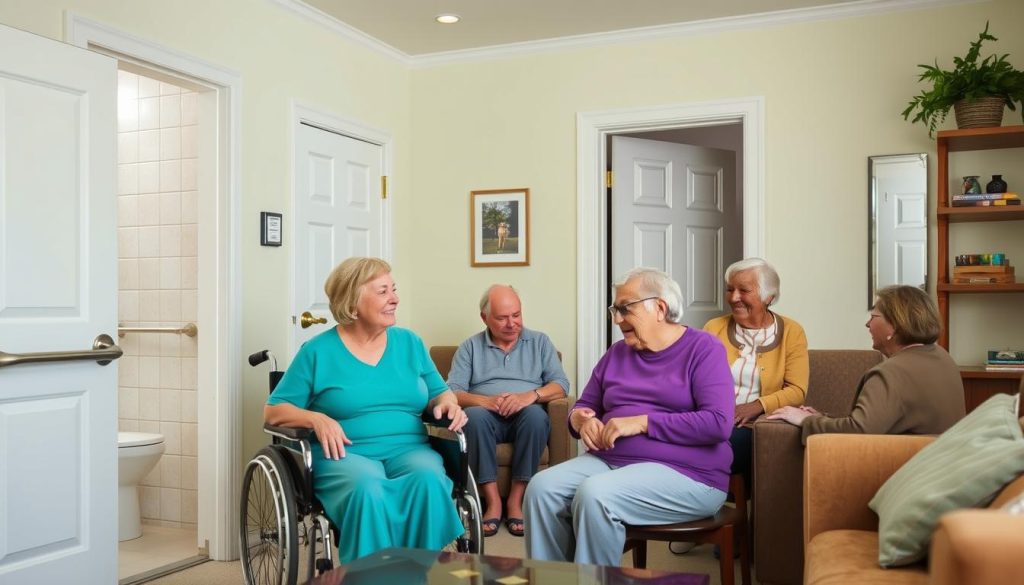
    home modifications for elderly

    Protecting Seniors at Home from Fire Hazards

    Keeping seniors safe from fire is very important. This is because people over 65 face more dangers from fires. It’s key to install smoke alarms and plan how to escape fires at home.

    Fire Safety Equipment Recommendations

    To protect seniors, put smoke alarms on all floors. They need to work well. Many people can’t hear the smoke when asleep18. For those who can’t hear well, alarms with lights and vibrations help a lot19. Sprinklers in homes cut the risk of fire deaths by 80%19. They often stop fires in one room, which helps before firefighters get there19.

    Creating a Fire Evacuation Plan

    Seniors should practice getting out of their homes safely. They need at least two ways out. Practicing twice a year is good19. In a fire, move low if there’s smoke. Shut doors behind you. Don’t stop for things19. Using apps like Rescu means faster help during fires with just two taps18.

    Medication Management for Senior Safety

    Medicine management is key for seniors to stay healthy and safe. Older people often take many meds daily. This can lead to mix-ups and more chance of bad side effects. Over half of those aged 65 and up take four or more meds each day20. Also, seniors use 34% of all prescription meds in the U.S. but only make up 13% of the population21. It’s very important to handle meds carefully to avoid mistakes.

    Organizing and Labeling Medications

    Putting meds in clearly marked containers helps a lot. Many seniors forget things and can miss doses or take wrong amounts20. A system with colors or pill organizers makes it easier to remember their meds. Also, seniors usually use prescribed and non-prescribed meds, making things more tricky21.

    Utilizing Technology for Medication Reminders

    Tech can really help seniors manage their meds. Things like alarms, apps, and reminders keep meds on track. Many old people might not remember to take their meds because of side effects or doubts about if the meds work21. Using tech helps reduce mistakes and bad reactions, which are more likely in older people21.

    Preventing Poisoning and Toxic Exposures

    It’s really important to stop poisonings at home. This is because most happen right where we live22. Knowing what’s dangerous at home is the first way to keep safe. The places we need to watch are the kitchen, bathroom, and bedroom22.

    Identifying Household Hazards

    It’s key to know what can be harmful in our homes. Dangerous items include:

    • Cleaning products
    • Medications
    • Cosmetics and personal care products

    Lots of kids, especially infants to nine-year-olds, get poisoned by medicines23. Also, teenagers from ten to nineteen often get poisoned by accident too23.

    Proper Storage Solutions for Cleaning Products

    Making sure harmful products are stored safely can really help. Here are some tips:

    1. Keep dangerous items where kids can’t see or reach them.
    2. Make sure everything is labeled clearly.
    3. Keep medicines in their original boxes so instructions are easy to read.

    Learning not to mix certain chemicals is also super important. Spending a little on Poison Control Centers can save a lot more in keeping everyone safe23.

    Importance of Social Connections for Seniors

    Having friends and family around is key for seniors. It makes them healthier and happier. Talking and spending time with loved ones can lessen sadness and loneliness24. These close bonds give support, companionship, and a big reason to enjoy life25. Staying in touch with people helps seniors feel less alone. It leads to a better and more joyful life26.

    Engaging with Family and Friends

    Staying close with family and friends is very important for seniors. Gatherings with family bring joy, and friendships fight loneliness. Studies show being social makes seniors more cheerful, smart, and heart-healthy24. These close connections help keep their minds sharp and spirits high. It lowers the chance of feeling down or forgetting things25.

    Utilizing Community Resources for Socialization

    Many places help seniors meet and make friends. Senior centers and groups have fun things to do, like classes and meals. These help seniors stay active and mentally sharp26. They make seniors feel welcome and part of a community. It helps them live happier and more connected lives24.
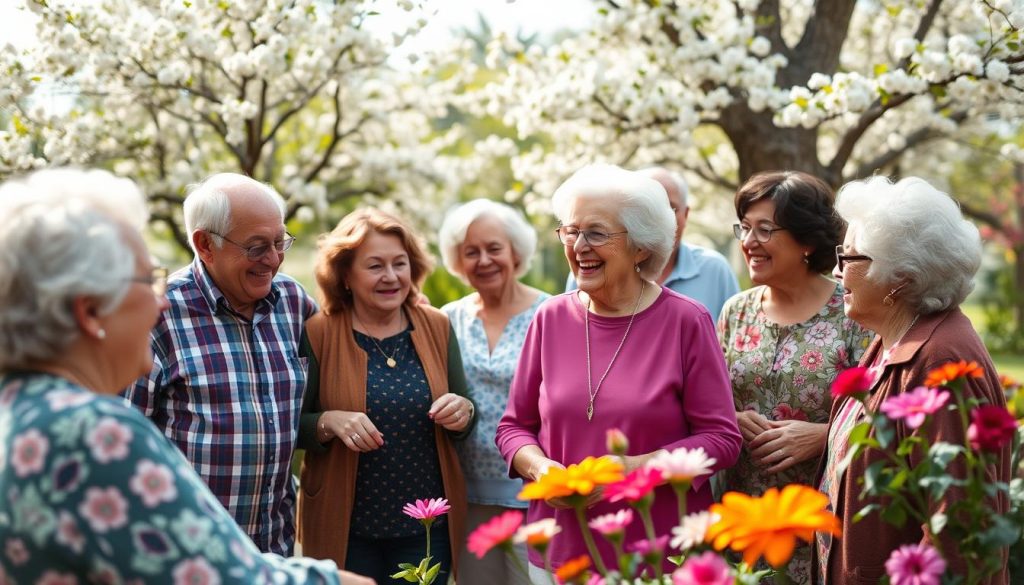
    social connections for seniors

    Benefits of Social Connections for Seniors Description
    Improved Mental Health Regular social interactions reduce risks of depression and anxiety.
    Cognitive Health Maintenance Social engagement helps maintain cognitive functions and reduces cognitive decline.
    Enhanced Physical Well-Being Connections lead to better physical health outcomes and promote healthy behaviors.
    Sense of Belonging Strong social networks provide emotional support and foster companionship.

    Ongoing Safety Assessments and Reassessments

    Keeping homes safe for seniors is very important. We should check every part of their homes often. This includes the living room, stairs, bathrooms, kitchens, and outside. The goal is to avoid accidents and help seniors be more independent27. We look for things that could cause them to fall or get hurt27. We also check for fire risks and other dangers in each place27.

    Creating a Routine for Safety Inspections

    Having a regular check-up plan helps keep older adults safe. It’s good to check things often as needs can change28. To do this, we first talk to them, then closely look at what they need, and learn what they like and want29. By talking, we can make plans that make sure they stay safe and happy29.

    Looking at homes can show us what needs to change. Perhaps we need to put in bars to grab or better lights27. It’s also good to see how caregivers are doing and what help they need28. Taking steps like these helps everyone stay safe and feel supported29.

    Government Programs and Financial Resources

    Seniors can have a better life with access to government resources. There are programs for home help, safety tools, and care services. The Older Americans Act (OAA) from 1965 helps seniors live on their own30. The government gives money for food help and rides for those 60 and older30.

    Home health services are key but often have limits on coverage. Medicare covers some services for a short time. Medicaid’s help depends on the state31. Seniors might pay for things not covered, like emergency alerts. Private insurance might help some, but costs can still be high31.

    There are free volunteer programs and meals for seniors. Emergency alerts give safety but cost money monthly and might not be covered. The Eldercare Locator helps seniors find local help and support32.

    Conclusion

    Making homes safe for elders is key. It requires being proactive, checking things often, and using available help. Most U.S. adults over 50 want to stay in their homes as they get older. This shows how important it is to have tips for keeping seniors safe to help them live on their own33. Unfortunately, 1 in 10 people over 65 find it hard to live in their homes. This is why families and those who take care of them need to make sure their homes are safe and right for their age33.

    Resources like safety checklists for the home and community help can make a big difference. Although 40 percent of homes in the U.S. are ready for aging, only 5 percent have things like ramps33. By making smart changes and respecting the elderly’s wish to be independent, we aim to make homes safe and nice to live in34.

    In the end, using resources for elder home safety makes caregiving less stressful. It often falls on the family to care for them. But with the best approaches, we can ensure our elders are independent and happy. We want them to feel safe and at ease in their own homes34.

    Source Links

    1. Home Safety Tips for Seniors: A Caregiver’s Guide | HealthMax Home Health Care
    2. Home Safety Tips for Older Adults
    3. The Importance of Senior Safety
    4. 7 Hidden Hazards for Seniors at Home – Cherished Companions
    5. Staying at Home as a Senior | The Risks of Aging in Place
    6. Common Risks Your Senior Faces When Living at Home
    7. Older Adults | Ready.gov
    8. Older Adults
    9. Preventing Falls at Home: Room by Room
    10. Fall prevention: Simple tips to prevent falls
    11. Prevent Falls in Your Home – My HealtheVet
    12. Home Safety Checklist: Making Home Safer for Aging Adults
    13. 11 Elderly & Senior Safety Tips & Tools | Lifeline ®
    14. Your Home Checklist for Aging in Place
    15. Home Modification Resources
    16. Home Modifications
    17. Safe at Home
    18. Fire Safety for Seniors: Minimizing Risk at Home – Rescu Saves Lives
    19. A Guide to Senior Fire Prevention & Developing an Escape Plan | SeniorLiving.org
    20. Medication Management at Home: Tips for Seniors and Caregivers
    21. Medication Management for Older Adults – BeMedWise
    22. Prevention Tips | Poison Help
    23. Poisoning Prevention | Children’s Safety Network
    24. Promoting Social Connections for Seniors
    25. The Importance of Social Connections: Reducing Loneliness in Senior Care – Sadie Mays
    26. A Support Care Network: The Importance of Community for Senior Well-being | Senior Living Community
    27. What Happens During an Elderly Home Safety Assessment? – FellowshipLIFE
    28. Comprehensive Evaluations | Aging Life Care Services Fairfield Connecticut
    29. What Is A Home Care Assessment?
    30. Administration on Aging | ACL Administration for Community Living
    31. Services for Older Adults Living at Home
    32. Aging in Place: Growing Older at Home
    33. Home Safety Tips to Protect Your Aging Parents
    34. Elder Care: Balancing Independence, Safety, And Quality of Life
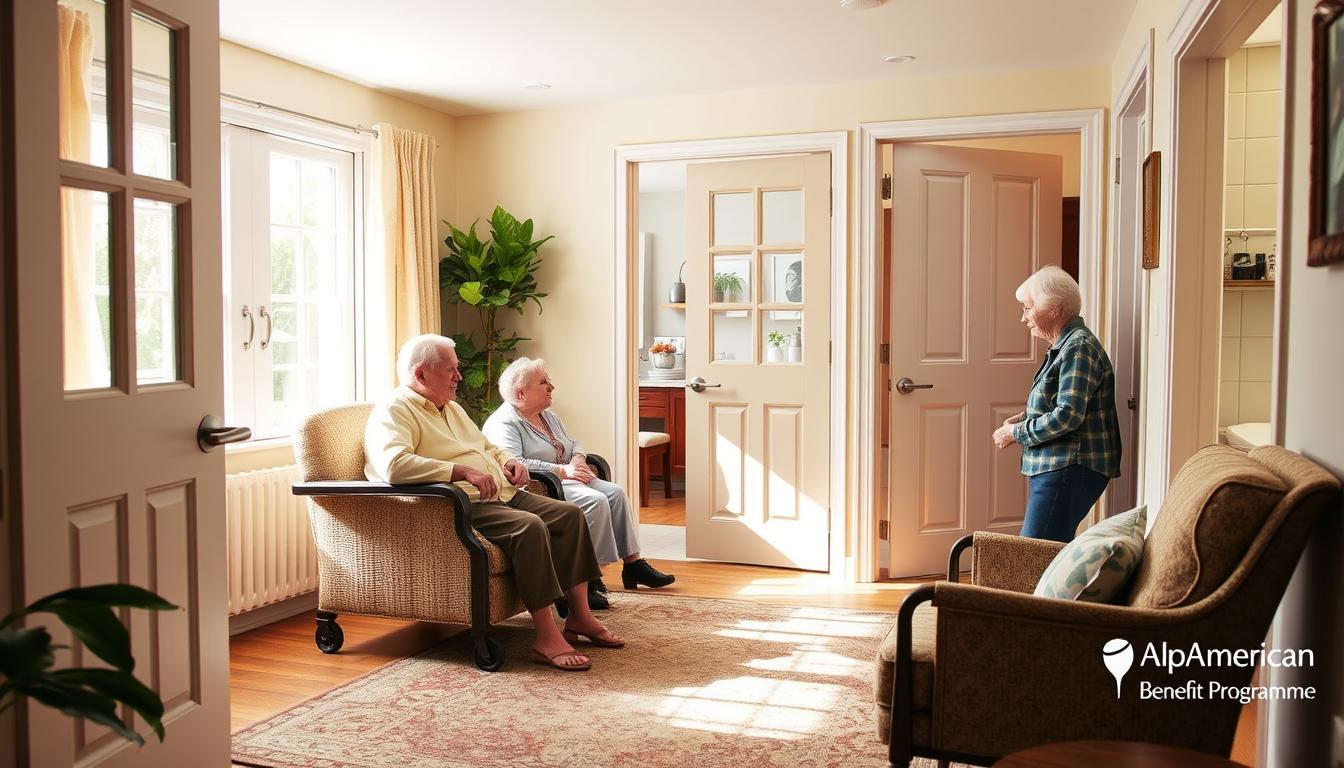
  • Senior Home Modification Guide – Easy Tips

    Senior Home Modification Guide – Easy Tips

    Have you ever thought about why 77% of Americans over 50 want to stay home1? They choose this for comfort, independence, and the love for their home. This guide talks about key home changes for seniors. These changes make their home safe and welcoming.

    We’ll look at easy fixes like handrails and grab bars. And bigger changes like ramps and floors that don’t slip. These fixes help with common aging problems, such as less mobility and strength.

    We also discuss costs, which can be $150 to $2,000, and how to pay for these upgrades2. We want every senior to have a safe, comfy home as they get older.

    Key Takeaways

    • 77% of older adults prefer aging in place over relocation.
    • Simple modifications enhance safety and comfort at home.
    • Home modifications can range between $150 and $2,000.
    • Several financial assistance programs are available to support home renovations.
    • Hiring licensed professionals ensures quality and safety in modifications.

    Understanding the Need for Home Modifications

    As seniors get older, it gets harder for them to move around their homes. They might find stairs tough and cabinets too high. About 40% of Americans over 65 have trouble moving. That’s why making homes easier to use is so important3. By changing homes to better fit their needs, families keep their loved ones safe and comfy.

    The National Home Safety Group focuses on making these changes. They want to make sure home changes fit the needs of the elderly and disabled3. Experts like therapists and builders make these changes happen. They work together to make homes safe and better for seniors.

    There’s also money help like the Older Adults Home Modification Grant. It gives $30 million to help low-income seniors4. This money goes to things like grab bars and easy-to-use doorknobs. The aim is to lower the chance of falling, keep seniors safe, and let them enjoy their homes longer.

    Benefits of Aging in Place Modifications

    Getting older doesn’t have to mean giving up independence or quality of life. Changes made to a senior’s home can keep them safe and reduce worries about getting hurt. For example, making bathrooms safer with grab bars and non-slip mats5 is key. These steps help right away by preventing falls.

    They also make seniors feel more secure. This lets them do their daily activities without fear.

    Making homes easier to live in is another great move. Widening doors and lowering countertops helps a lot6. This is especially useful for those who use wheelchairs or walkers. Plus, many seniors get help at home from family or professional caregivers7. A safer home is good for everyone involved.

    Thinking about costs is important too. Thankfully, there are resources like Medicare and community programs to help pay for changes5. Small updates, such as adding ramps or improving lights, make a big difference. They help seniors stay in their homes safely, avoiding bigger problems and costs later6.

    But it’s not just about avoiding accidents. Being able to stay in a familiar home is good for a senior’s mental and emotional health7. It helps them stay connected to their community and family. Making these changes means a happier, more independent life for older adults.

    Evaluating Your Current Home Setup

    A detailed home evaluation for seniors is crucial before starting any home improvement projects. Start by checking each room for safety issues and areas that might need changes. Focus on the bathroom and kitchen first, since small changes there can help a lot8. Studies show most older people want to stay in their homes as long as they can. This shows why early and regular checks are important9.

    Checklists are a big help for seniors and those taking care of them. Plumbers or handymen, charging between $60 and $125 an hour, can fix problems found9. Working together on this ensures that the home becomes safer and more comfortable over time, experts agree8 and9.

    Look at how easy it is to use kitchen cabinets and bathroom items10. Make sure the lighting is good and check the whole house for trip hazards10. These steps make a home better suited for senior living.

    Area of Evaluation Key Features to Assess Considerations
    Kitchens Cabinet height, ease of access, water temperature safety Adjust shelving for convenience, ensure accessibility of appliances
    Bathrooms Grab bars, toilet height, tub accessibility Incorporate non-slip surfaces for safety, evaluate tub/shower setup
    Lighting Brightness levels, placement of night-lights Enhance brightness in dim areas, ensure clear visibility for all rooms
    Living Areas Furniture arrangement, space for mobility aids Keep pathways clear to prevent falls, evaluate chair heights

    Common Accessibility Modifications for Seniors

    Making changes to a home can greatly help seniors live better. Many older adults have trouble moving around. Making their homes easier to use and safer is key. Different options exist to fit their needs.

    Handrails and Grab Bars

    Putting in handrails and grab bars makes a house safer. They help prevent falls, especially near stairs and bathrooms. It costs about $100 to $500 to add each one. This makes it a good way to make homes fit for seniors11.

    Their installation in hallways and bathrooms helps seniors feel more secure. It lets them move around their homes on their own.

    Ramps and Stair Lifts

    Ramps and stair lifts let older people move between floors easily. Wheelchair ramps cost about $1,000 to $4,000. Stair lifts vary in price from $1,500 to $5,00011. These changes lower the chance of getting hurt and help those who use wheelchairs or walkers.

    Adding ramps and stair lifts makes homes welcoming for seniors. It greatly improves their everyday life.

    accessibility modifications for seniors

    Bathroom Modifications: Making a Safer Space

    Bathrooms can be tricky for older people because of wet floors and risky layouts. Making some changes can really help. By adding non-slip floors and grab bars, we make it safer and more comfortable.

    Non-Slip Surfaces and Grab Bars

    Putting in floors that don’t slip is key. Rubber floors or special vinyl make falling less likely. About 80% of falls happen in the bathroom12. Grab bars next to the toilet and in the bath help a lot, too. They make it easier to stay balanced13. Most older folks fix up their homes to stay safe14.

    Walk-in Tubs and Curbless Showers

    Walk-in tubs are great. They have low sides and seats inside. This makes bathing safe and easy13. Showers without edges are also good. They stop trips because there’s nothing to step over13. Many older people want to stay in their homes. Making it easier to get around helps a lot14. Making these bathroom changes is key to staying safe and independent.

    Kitchen Adjustments for Senior-Friendly Use

    The kitchen can be hard for seniors because of how it’s usually made. Making some changes can really help make the kitchen better for older people. For example, making doorways wider, at least 36 inches, helps with wheelchair access15. Also, it’s good to have more space, at least 48 inches, between wall cabinets and the island for people with walkers15.

    Adding things like shelves that pull down can make reaching stuff easier. Using induction cooktops is safer because they heat up fast and are flat16. Also, installing hands-free faucets that prevent burns is key for those who can’t move well15.

    For the floor, hardwood is a top choice since it’s softer and cuts down on fall risks15. Good lighting matters a lot, especially for those with bad eyesight. Track lights or lights that turn on by themselves can make the kitchen safer and easier to use17. Spending money on shelves that are easy to reach can range from $300 to $1,20016.

    Item Price Range Recommendation
    Touchless Trash Cans $45 and above Easy disposal for limited mobility
    Drawer Dishwashers $900 – $2,000 Designed for accessibility
    Induction Cooktops Twice as much as electric Safer cooking option
    Track or Motion-Detecting Lights Varies Enhances kitchen safety

    About 87% of seniors want to stay in their homes as they age17. Simple changes in the kitchen can help them stay independent. This lets them keep cooking and preparing food safely and easily.

    Living Room and Bedroom Accessibility

    Making homes safe and cozy for older adults is key, especially in living rooms and bedrooms. Furniture should be easy to use and move around. This keeps daily activities smooth and lowers the chance of falls. Most seniors, as AARP found, wish to stay in their homes as they age. This shows why making homes easy to live in matters a lot18.

    To help seniors move around easily, arrange furniture to create plenty of space. Doors should be wide, at least 36 inches, for better access and freedom. This is especially true for those in wheelchairs18. In bedrooms, the right bed height helps seniors get in and out easily. Also, floors should be safe for walking or using a wheelchair19.

    Good lighting is important to avoid falls. Putting night lights in bedrooms and hallways makes moving around safer at night18. Skip the throw rugs to reduce tripping risks. Doors should have peepholes or windows at the right height. This lets seniors see who’s there without having to stretch19.

    Since 26% of falls occur in the bedroom, it’s important to make changes that reduce risks18. Adding grab bars near the bed and in key places offers needed support. Bad lighting in old homes can make it hard for seniors to see. It’s crucial to improve lighting to help them move around safely20.

    Home Modification for Seniors: Costs and Budgeting

    Seniors want to keep living at home as they get older. The cost of making home changes varies a lot. It depends on what work is needed.

    Average Costs of Common Modifications

    AARP says many seniors don’t want to leave their homes. Making some changes is important. Small adjustments like wider doorways might be cheap, under $100. But, big changes, like a ramp, can be $1,000 to $4,00021.

    Costs for fixing up a home changes a lot. Small jobs might be $150 to $2,000. Bigger ones can go over $50,000. Putting in floors that don’t slip is key22. They prevent falls, especially in bathrooms. These floors can be pretty cheap, less than $3 for each square foot.

    Finding Financial Assistance Programs

    Seniors looking for help to pay for home fixes have options. Contractors might offer discounts. Some fixes might even cut your taxes22. Groups like the USDA and HUD give grants and loans. Knowing about these can really help make homes safer for seniors.

    Hiring Professionals for Home Modifications

    Getting the right help for home changes is important. Some tasks can be DIY, but others need experts. This ensures everything meets safety rules and building codes. That’s why finding contractors is needed.

    Choose pros who are licensed and know how to help older people’s homes. These experts make sure your home is safe and works well. Ask your family and friends for contractor suggestions. They might know good ones.

    You can also look at local directories and review websites for contractor ideas. Once you have a few names, ask them about their work and if they specialize in helping older adults. Finding someone with the right skills gives you peace of mind.

    After picking a contractor, getting their plan in writing is key. This plan should list prices, what will be done, and how long it will take. Talk openly with your contractor to make sure you both agree. You can learn more about how to get your home ready at this helpful link.

    Choosing the right experts really helps. They can make your home safe and comfy for older people. Talking to specialists can give you more ideas2324.

    Incorporating Smart Home Technology for Seniors

    Smart home tech helps seniors stay safe and comfy in their homes. Nearly 87% of them want to grow old in their own place. Smart systems help them stay independent as they deal with health changes25. These systems are online and make daily tasks easier. They also cut down on the need to move a lot26. For example, voice-activated assistants can manage lights and temperature. This makes the room comfy without much effort.

    With auto lights and smart smoke alarms, seniors are safer. Medical alert systems give them peace of mind. Studies show a 60% drop in the need for care homes among tech users25. Also, 25% of seniors use health trackers like Fitbit. This shows tech can make everyday life better for them.

    The number of older people is going up. By 2050, over 26% in the Netherlands will be over 6527. More of them are getting into smart devices, with 60% adding home automation25. These tools help them face health and mobility issues. So, they can keep living at home.

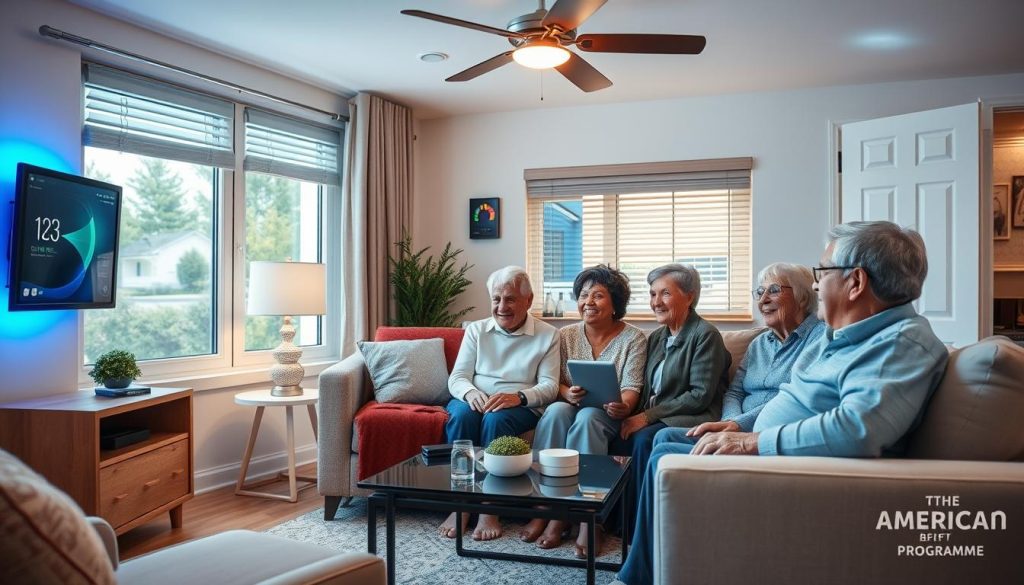
    smart home technology for seniors

    To use tech well, many seniors get emergency systems to call for help fast25. This helps them feel safe. It gives them the tools they need to live on their own.

    Technology Percentage of Seniors Utilizing
    Wearable Health Monitors 25%
    Telehealth Platforms 30%
    Voice-Activated Assistants 40%
    Emergency Response Systems 70%
    Medication Management Devices 45%
    Mobility Assistance Technologies 20%

    Conclusion

    Changing homes for aging in place makes them safe. It also makes life better for seniors. Many older adults in the U.S. want to stay in their homes as long as they can. They like being independent28. But, planning is key because many seniors might not have enough money for care by 202928.

    Studies show making home changes can cut down care hours. This is a smart move for families. It keeps seniors safe at home29. Mainly, care can drop by 46% after these changes. So, it helps both older adults and their helpers29. With good planning, families can keep their loved ones safe. They mix comfort with being able to get around easily.

    This guide gives families the info they need to make home changes with confidence. They can address what seniors need now and in the future. With the right changes, homes can support being independent and comfy as life goes on.

    Source Links

    1. What Are the Must-Have Home Modifications for Aging in Place | AssistedLiving.org
    2. Home Modifications
    3. Delivering Home Modification to Support Older Adults
    4. FY24 Older Adults Home Modification Program
    5. Aging in Place Home Modifications: How In-Home Caregiver Advocacy Can Help
    6. PDF
    7. Aging in Place: Growing Older at Home
    8. Your Home Checklist for Aging in Place
    9. Home Modifications for Seniors
    10. Questions to Answer Before Getting Home Modifications – Back Home Safely
    11. Home Modifications for Seniors and People with Disabilities
    12. Bathroom Modifications for Seniors and People with Disabilities
    13. Simple Bathroom Modifications for Seniors to Keep Them Safe
    14. Safe Bathroom Remodeling Options for Seniors – Home Climates
    15. Aging in Place: 11 Design Tips for a Senior Friendly Kitchen
    16. 9 Kitchen Updates to Help as You Age
    17. Kitchen Modifications for the Disabled and Elderly
    18. Aging in Place: Home Modifications – The Helper Bees
    19. Home Modifications & Accommodations for Seniors | Five Star Painting
    20. Important Home Modifications for the Disabled 
    21. What Are the Costs of Aging in Place?
    22. Key Home Modifications for Seniors
    23. When to Hire a Pro to Help with Accessibility Home Modifications – Thrive for Life – Accessibility Specialist
    24. Aging in Place Remodeling: Key Modifications for a Safe Home
    25. Smart Home Technologies for Aging in Place
    26. Can Smart Home Technologies Help Older Adults Manage Their Chronic Condition? A Systematic Literature Review
    27. Smart home modification design strategies for ageing in place: a systematic review – Journal of Housing and the Built Environment
    28. Home Modifications Aging in Place Remodeling
    29. Housing Design and Community Care: How Home Modifications Reduce Care Needs of Older People and People with Disability