Tag: Aging Gracefully

  • Senior Health Coaching: A Guide to Vitality After 60

    Senior Health Coaching: A Guide to Vitality After 60

    Ever wondered how to stay lively after 60? As we get older, keeping healthy gets tougher. Senior health coaching provides a way for older folks to boost energy and life quality. It helps seniors tackle aging issues, like less strength and energy.

    This coaching isn’t just about being fit. It also looks after your mind and heart health. Today, it’s key for seniors to have wellness plans that fit them. Let’s see how better health can make your later years shine.

    Key Takeaways

    • Senior health coaching focuses on personalized wellness strategies for older adults.
    • Improving physical fitness enhances mental and emotional well-being.
    • Regular exercises are essential to prevent osteoporosis and maintain independence.
    • Professional support can help seniors navigate health challenges effectively.
    • Hydration and nutrition play a critical role in maintaining vitality after 60.

    The Importance of Senior Health Coaching

    It’s key to understand how aging affects health. As folks get older, their health faces challenges. For instance, their muscles and bones might not be as strong. Also, more than 25% of Americans over 65 have diabetes1. This shows why good health support is crucial. Health plans should fit each older adult’s needs. This helps them live life to the fullest.

    Understanding Aging and Health

    The way aging impacts people varies. Choices in life hugely affect health. By 2050, one out of every six people will be 65 or older2. While genetics play a part, lifestyle is more important. It accounts for 70% of aging’s effect2. Meeting with a health expert can help seniors. They get advice that’s just right for them. This includes being active regularly.

    Benefits of Having a Health Coach

    Health coaching for seniors has many upsides. Coaches give one-on-one help with exercise, eating right, and making good lifestyle choices. This leads to better health all around. Studies show health coaching makes a big difference for those with long-term illnesses1. People feel more energized and happier. This lets them enjoy an active, rewarding life.

    Starting Your Senior Health Journey

    Starting your journey to better health in your senior years is exciting. It’s about getting better and feeling younger. You start by getting help from experts in senior health. These experts are key in making a health plan that’s safe and just right for you.

    Consulting with Healthcare Professionals

    Before you start exercising, talking to healthcare pros is a must. They check your health and give advice that’s just for you. This keeps you safe and makes sure your health plan works well. Health coaches are important here. They look at your health in a full way3. They give you plans that fit your needs, helping you deal with long-term health issues, eat better, and stay active.

    Assessing Your Current Fitness Level

    Knowing how fit you are now is a key step. It shows where you can get better. Working with fitness coaches for older adults is a big help. They encourage you and help you stick to good habits. Staying active is really important. It helps you keep your independence and keeps your mind sharp3. By knowing your goals and what you can do now, you can start a health plan that works for you.

    Creating a Personalized Wellness Plan

    Creating a wellness plan that meets your unique needs is key for seniors. It helps them deal with their health challenges while staying well. Making goals that you can really achieve helps keep you focused and excited about getting healthier.

    Setting Realistic Goals

    Setting goals you can reach helps seniors see how they are doing without getting stressed. It’s good to make goals that are clear, can be measured, are possible, make sense, and have a deadline. For example, you might aim to walk for 30 minutes three times a week. Or, try to eat more vegetables every day. It’s also smart to check and change your goals to stay on track with your needs.

    Incorporating Nutrition into Your Plan

    Eating well is very important for your health, especially when you get older. Eating foods that have a lot of nutrients can help you avoid getting weaker as you age and give you more energy. You should eat lots of green veggies, berries, and fish that has lots of good fats. Choosing local and seasonal foods also helps seniors live at home comfortably.

    Food Group Benefits Examples
    Fruits Rich in antioxidants, improve brain health Berries, oranges
    Vegetables High in vitamins, promote digestion Spinach, broccoli
    Whole Grains Provide energy, help manage weight Oats, quinoa
    Lean Proteins Support muscle health, maintain strength Chicken, legumes
    Healthy Fats Support heart health, reduce inflammation Olive oil, nuts

    Talking about food and what you like to eat is part of good health coaching for seniors. It helps them feel involved in their health plans. This makes seniors feel in charge of their well-being. It can lead to important changes that make their lives better and happier45.

    Senior Fitness Mentor: Finding the Right Coach

    Finding the right senior fitness mentor is key to better health and aging well. A good coach provides support needed by older adults. They help with personal growth and wellness.

    Qualities to Look for in a Health Coach

    Look for these important qualities in a health coach:

    • Experience with Older Adults: They should know exercises that are right for seniors.
    • Empathy and Patience: A coach needs to be understanding and patient. This builds trust.
    • Certifications: Certified coaches are better at helping seniors stay well.
    • Adaptability: They must adjust plans for each person’s health needs.

    How a Coach Can Enhance Your Experience

    A health coach helps seniors a lot by making personal fitness and wellness plans. They make the experience better by:

    • Setting health goals that fit the client’s abilities.
    • Giving motivation and support, which is great for seniors.
    • Talking about how to eat well and live a healthy life.
    • Using different training ways and places, making it easier for clients.
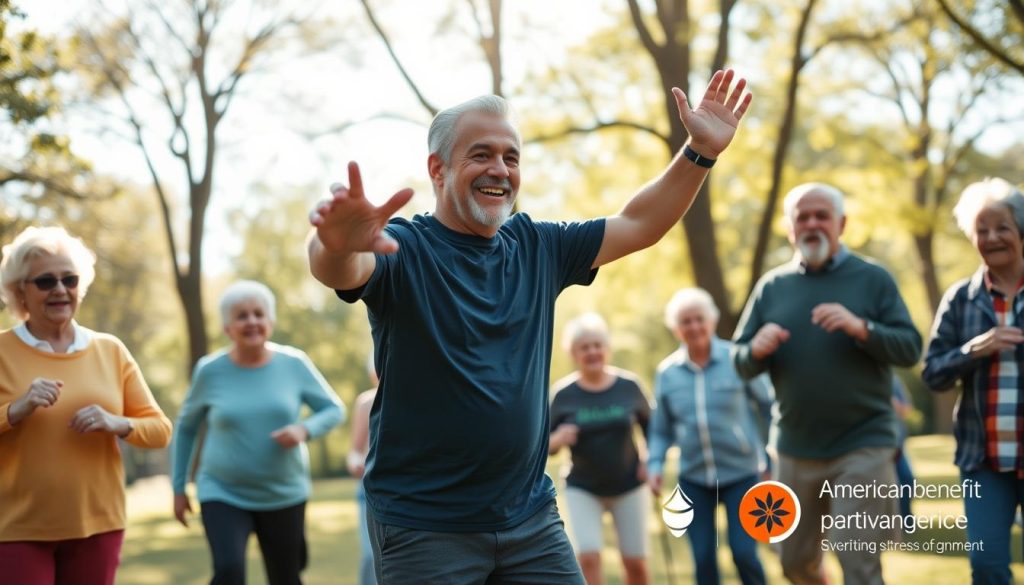
    senior fitness mentor

    A good senior fitness mentor makes a big difference in health. They help with workouts and look at mental, emotional, and physical health678.

    Safe Exercise Regimens for Older Adults

    Working out safely is key for older adults to stay healthy. Low-impact activities keep the heart healthy, muscles flexible, and ease joint pain. Lifting weights a little bit is also good. It fights muscle loss and improves balance, helping seniors stay active and safe.

    Low-Impact Exercises and Their Benefits

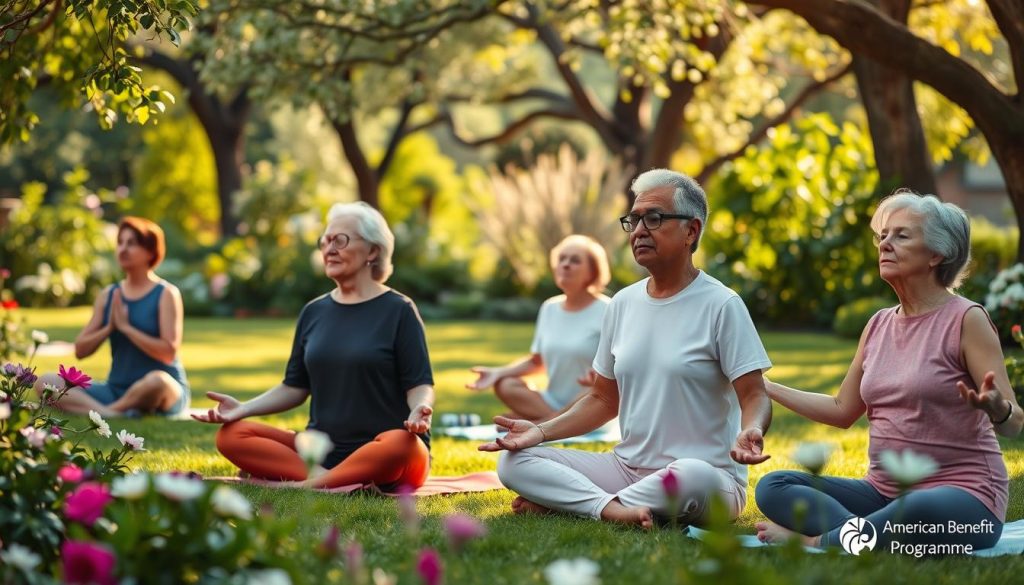
    Walking, swimming, and yoga are great for older people. They keep the heart strong, make the body more bendable, and are easy on the joints. Sadly, not many seniors exercise enough to meet health guidelines. They suggest working out for 30 minutes on most days and doing strength exercises twice a week9. Programs like Tai Chi help a lot with moving better and not falling9. Doing short workouts, like 10 or 15 minutes long, makes it easier to fit exercise into the day10.

    Strength Training for Seniors

    Getting stronger is important for keeping muscles and strength as we age. Simple exercises like squats, lifting light weights, and doing pushups against a wall work well. Special programs show good results in making legs stronger and better breathing for people with joint pain9. Doing balance exercises helps a lot in preventing falls, which can be dangerous10.

    Tech Tools in Senior Health Coaching

    Seniors have many tech tools to improve their health coaching. These tools make talking with coaches easier. They also help track wellness goals.

    Utilizing Apps and Programs for Tracking Progress

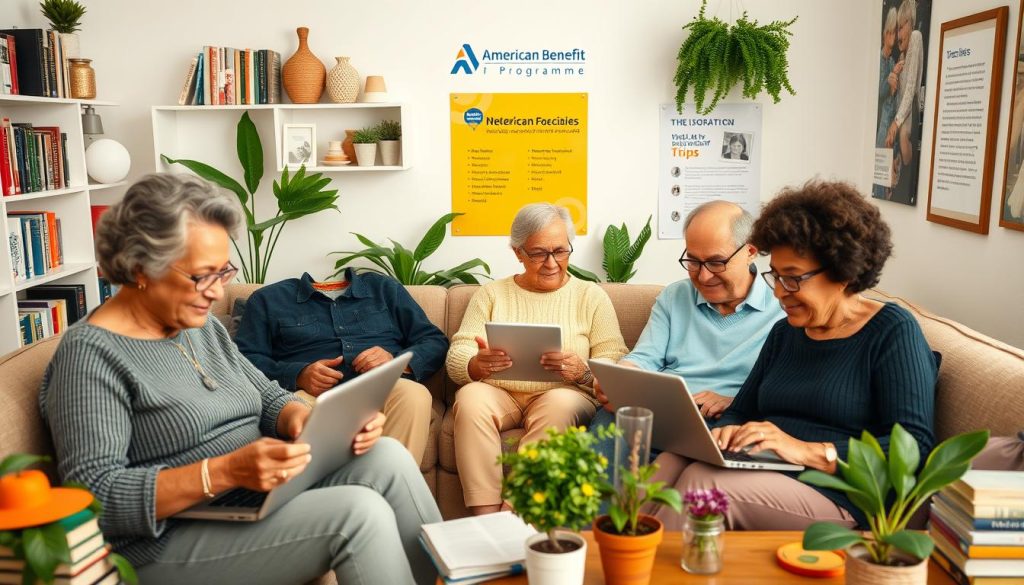
    Many apps help seniors stay healthy. They keep track of exercise, what you eat, and your meds. A big study looked at 196 papers on health coaching. It found 13 that showed coaching with tech helps older adults a lot1112.

    In these studies, 10 out of 13 showed tech support made things better. People were more active and enjoyed life more11. This shows tech tools are key in better wellness coaching for seniors.

    Online Resources for Fitness and Nutrition

    There are online resources that offer workouts for seniors. They have videos, forums, and nutrition tips. These help you follow a health plan. They also track important health numbers.

    Studies also look at how happy people are with these programs11. They check health numbers too, like blood sugar levels.

    Tech Tool Features Benefits for Seniors
    Health Tracking Apps Activity tracking, diet monitoring, medication reminders Increased accountability and motivation
    Telehealth Platforms Remote consultations, progress monitoring Accessible healthcare and personalized coaching
    Fitness Video Libraries Instructional videos, workout plans Flexible exercise options tailored to mobility

    These new tools give seniors more control over their health. They make reaching wellness goals fun and effective11.

    The Role of Nutrition in Senior Wellness Coaching

    Eating right is very important for older people to stay healthy and energetic. Their food needs change as they age. It’s key to have foods that are really good for them.

    Superfoods to Incorporate in Your Diet

    Dark leafy greens, berries, and fatty fish are superfoods that are great for older adults. They have nutrients, antioxidants, and Omega-3s. These are good for the brain and heart. They also help avoid diabetes. With the right advice, seniors can add these superfoods to their meals. This can make them feel happier and more energetic. It also helps with long-term health issues and improves life quality13.

    Hydration and Its Importance for Seniors

    Drinking enough water is very important for older adults. Not drinking enough can cause big health problems. Coaches can teach them about how much water to drink. This keeps their immune system strong and mind sharp. Eating small meals often and together with others can make eating better1413.

    Good food habits can make a big difference for seniors. It lets them be in charge of their health and enjoy eating.

    Learn more about the role of nutrition in senior wellness.

    Embracing Mental and Emotional Health

    Maintaining mental health for seniors is crucial for a good life. Being active is linked to feeling and thinking better. Exercise improves mood and how the brain works. Strength training helps with balance and clear thinking. This lowers the chance of feeling anxious or sad15. Taking care of emotional health is also key. It helps seniors deal with different feelings, like sadness or happiness16.

    The Connection Between Physical and Mental Wellness

    Being active helps seniors feel mentally better. Walking or swimming releases happy chemicals in the brain. These fight off stress and make you feel good15. Focusing on mental health can mean doing things like deep breathing. This helps stay calm and less stressed15. Programs for elderly support use mindfulness and exercise to keep both mind and body healthy.

    Social Connections and Their Impact on Health

    Good social relationships are important for feeling emotionally well. Being part of a community helps lessen loneliness. This makes life more enjoyable15. Meeting people in person or online can make seniors happier15. Joining groups or classes helps make strong friendships. It allows them to share stories and learn together16.

    Journaling and meditating are good for emotional health16. They give time for self-reflection and expressing feelings honestly. Balancing physical, mental, and social health helps seniors face aging with more grace and peace. This is very valuable during their golden years16.

    Aging in Place Assistance and Support

    Staying independent as we age is key for many. The right help lets seniors live well at home. This includes a health program that meets their specific needs. It looks after their body and mind.

    Understanding Aging Successfully at Home

    Aging at home means getting help from others. This help can come from family, friends, or professional caregivers. Types of help include care for oneself, health, food, and rides. This makes sure seniors can do everyday things safely17. There’s also money help for fixing homes and making them safer to live in17.

    Resources Available for Older Adults

    There are many resources for older people. In Central Florida, Elder Options connects them to community help18. It offers advice on home help and Medicare through the SHINE program18. There’s also the Eldercare Locator and Medicaid for money help17. These programs help with training for caregivers and classes for healthy living for seniors18.

    Challenges in Senior Health Programs

    Older adults may face many hurdles in keeping healthy. These can include physical limits, lack of time, and no motivation. For example, studies show that with health coaches, older adults can get more active. This helps them break through fitness barriers19. Senior center leaders also stress teaching seniors about the services and activities they can join20.

    Common Barriers to Fitness

    Many blocks to fitness can stop older adults on their wellness path. Some of these are:

    • Physical limitations that restrict mobility.
    • Time constraints associated with family responsibilities or work.
    • Limited knowledge about suitable exercise options and nutritional needs.
    • A lack of motivation stemming from previous health setbacks.

    Some seniors, especially newcomers to community centers, might not know all available services20. This lack of knowledge is another obstacle in joining health programs.

    Strategies to Overcome Obstacles

    Overcoming these hurdles needs special plans to break down fitness blocks. Here are a few steps:

    1. Set achievable milestones: Setting smaller goals can boost morale and make success feel closer.
    2. Find enjoyable activities: Picking fun exercises can help make staying active easier.
    3. Seek support: Health coaches not only boost how well seniors stick to goals by 65% but also offer emotional care. This helps manage ongoing health issues better21.
    4. Educate: Teaching older adults about what senior centers offer encourages more active participation.

    With health coaching’s aid, seniors can better handle these hurdles. This allows them to live healthier and more active lives. It also creates a supportive, understanding community around them. Find more information here.
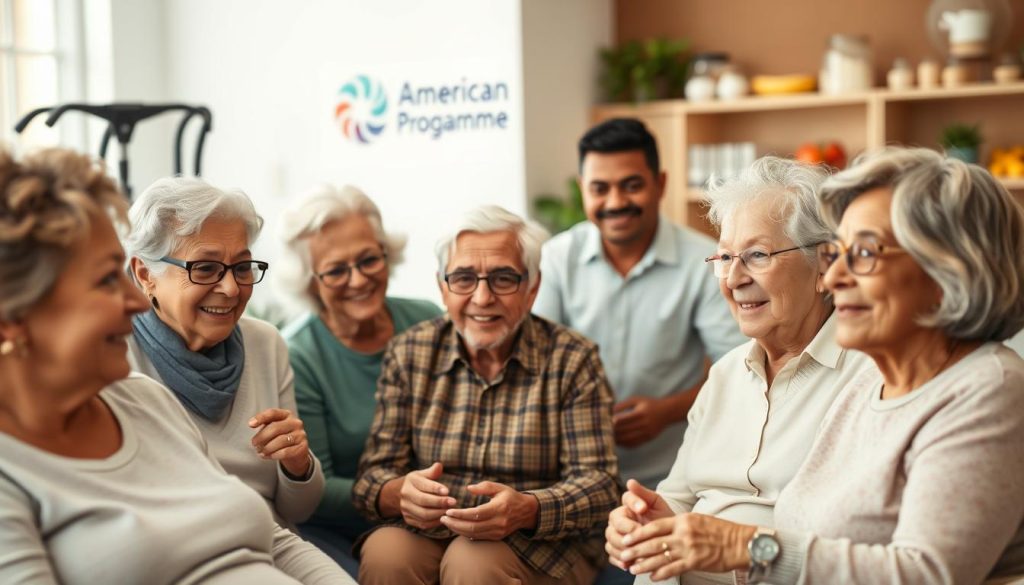
    challenges in elder wellness

    Conclusion

    Health coaching is very important for people over 60. It helps them face their health issues well. They learn to take care of their bodies and minds better. It shows getting older is a chance to grow, not a problem.

    Studies show health coaching brings big benefits. People stick to their meds better and get healthier. With2223 help, older people can be more active. This support is key in making their lives better.

    Now is the time to care more for your health. With good help and thinking, you can live a long, happy life. It’s never too late to change for the better. Start making those changes and see how great you can feel. Find out how here.

    Source Links

    1. Outcomes of a Health Coaching Intervention for Older Adults With Uncontrolled Type 2 Diabetes
    2. Why Every Coach Should Up-Skill For The Aging Population – Global Wellness Institute
    3. TERRABELLA WINDSOR LAKE
    4. Alzheimer’s Disease: Chris Hemsworth’s Inspirational Journey
    5. Nutrition and Wellness Coaching
    6. 7 Priceless Things You’ll Learn From The Right Mentor. (Plus why mentorship is so important for you and your clients.)
    7. Health Coach vs Personal Trainer – Which is Right for You? | ISSA
    8. ACE – Certified™: February 2024 – Should Health Coaches Specialize?
    9. Exercise Programs That Promote Senior Fitness
    10. Exercise Plan for Seniors: Strength, Stretching, and Balance
    11. The Use of Telehealth Technology to Support Health Coaching for Older Adults: Literature Review – PubMed
    12. The Use of Telehealth Technology to Support Health Coaching for Older Adults: Literature Review
    13. The Role of Nutrition in Senior Health: Tips from Senior Living Experts
    14. The Value Of On-Site Health And Nutrition Coaching In Senior Care Homes
    15. Wellness Month: A Guide to Health and Happiness for Seniors
    16. Embracing Emotional Wellness in Aging: Reflect, Renew, and Thrive – Coaching Aging Adults
    17. Aging in Place: Growing Older at Home
    18. Home – Aging Resources
    19. The Impact of Digital Coaching Intervention for Improving Healthy Ageing Dimensions among Older Adults during Their Transition from Work to Retirement
    20. As Senior Centers Evolve, So Do Their Challenges and Opportunities
    21. How A Health Coach Can Make A Difference For Seniors
    22. A Pilot Study of Health Coaching on Older Adults’ Personal Healthcare and Maintenance during the Outbreak of Covid-19 in Singapore
    23. A randomized trial of a theory-driven model of health coaching for older adults: short-term and sustained outcomes – BMC Primary Care
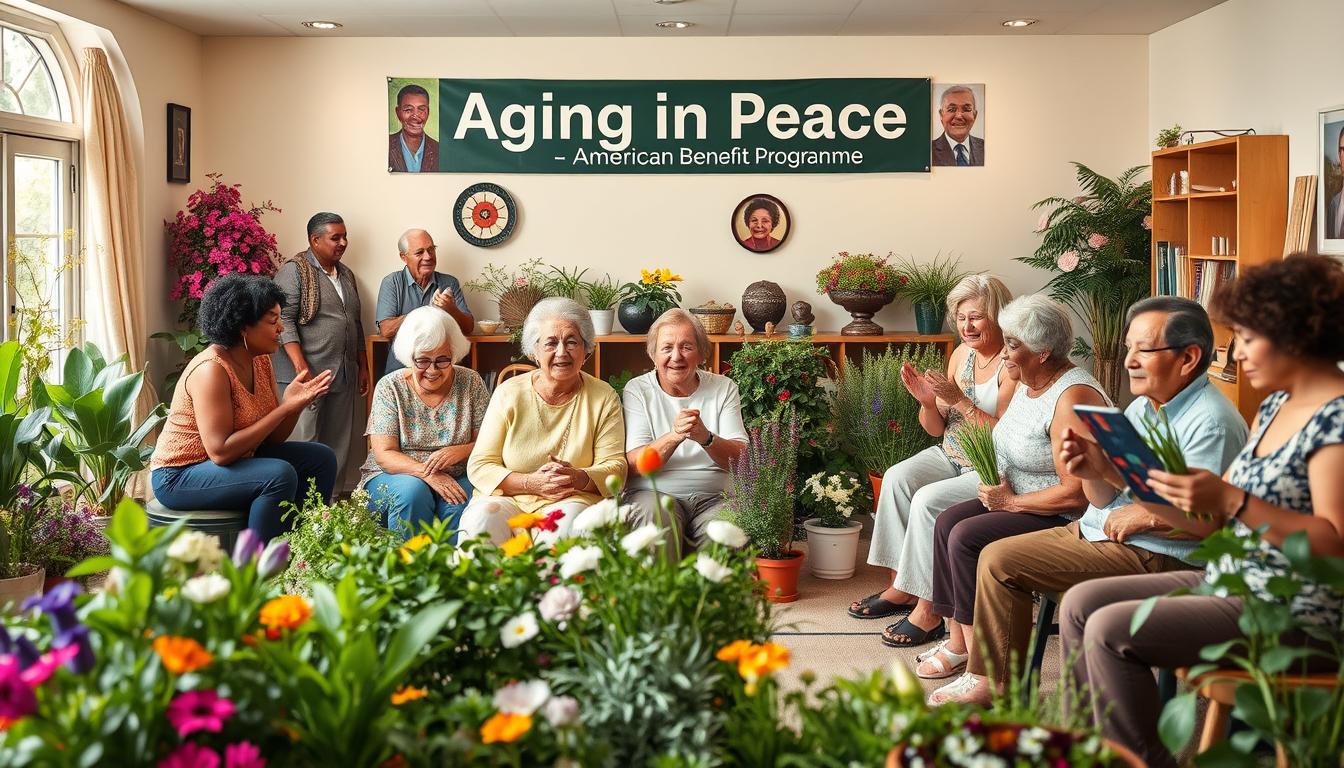
  • Navigating Aging in Peace Programs Effectively

    Navigating Aging in Peace Programs Effectively

    Have you ever thought about what aging in peace means for seniors? And how special programs improve their lives? Currently, 17% of people in Canada are seniors. They also account for 47% of all healthcare costs1. It’s important to know how these programs help. They let seniors stay independent and respected during their later years. Plus, they bring seniors together through fun wellness activities.

    Aging in peace programs are key to making seniors’ lives better. These programs offer care and events that keep them healthy. They also help with big issues seniors face. For example, falls cause 85% of seniors’ hospital visits each year1. Many seniors also have trouble managing their medicines2. These programs aim to make seniors safe and active in their communities.

    Key Takeaways

    • Aging in peace programs prioritize seniors’ well-being and dignity.
    • Empowering older adults through community engagement is vital.
    • Addressing healthcare challenges is essential for promoting peace.
    • Healthy aging events foster social connections and activities.
    • Effective support services are crucial for seniors managing multiple medications.

    Understanding the Concept of Aging in Peace

    Aging in peace means helping older people live happily where they are. It’s like aging in place but adds in getting help from elder care services. About 1 in 7 Americans over 65 live in senior homes3. This shows more people need help to stay in communities they love, not away from them.

    How we see aging affects how we feel about getting older. A study showed 60% of seniors in communities feel they have a better life3. So, breaking down the walls of ageism and fostering friendships is vital. Laws like the Decade of Healthy Aging push for policies that support aging at home.

    Also, the National Institute on Aging found over 40% of those 65 and older need long-term care3. So, programs must offer the right kind of help. Many initiatives focus on seniors in danger of homelessness or those with health issues. They make sure these folks get the full support they need day-to-day4.

    Importance of Aging in Peace Programs

    Aging in peace programs are very important today. More than 90% of older people want to stay in their homes as they age5. These programs help them do just that. They give needed support to older adults. They also make caring for the elderly less costly. Care homes are pretty expensive because they charge for staying there and medical care6. But, aging in peace programs let people stay at home. This saves money and helps them live with dignity6.

    It’s key that older people can live safely on their own7. These programs can pay for home changes like grab bars or ramps7. This way, families can help care for their loved ones better. It brings families closer and gives them comfort6.

    These programs create care plans that fit each person’s needs6. They offer breaks for caregivers to stop them from getting too tired. This keeps both the caregivers and the seniors happy and healthy6. In the end, aging in peace programs are great. They help older people feel valued and free. They also support families and save money compared to typical elder care6.

    Key Components of Aging in Peace Programs

    Aging in peace programs aim to make life better for older adults. They focus on things like community help, support networks, and being easy to get to. There are more than 55 million people in the U.S. who are 65 or older. This shows a big need for these programs for a lot of people8. Joining in with the community plays a big part. This is because almost 75% of Americans will need help from others to grow old in their own places8.

    Different groups work together to make sure the care services cover everything older people need. This includes doctors, family, and government bodies. By working together, they make sure that the care can change as needed. States like Pennsylvania are asking older adults what they think. This is part of a bigger move to include them in making plans for their care9.

    It’s important to make plans that fit the different needs of older people. Helping caregivers more and making things easy to use are key parts of these programs. These efforts make sure older adults can enjoy these helpful services9.

    Senior Wellness Activities that Promote Peace

    Many senior wellness activities help older adults feel more peaceful. These include being social and taking care of your mind. Doing things for yourself is good for your health and helps you stay independent10. Spending time with others, exercising, or getting involved in the community makes life better10.

    Staying active is key for seniors, says the World Health Organization. They suggest mixing up workouts with aerobic, strength, and balance exercises11. Yoga, tai chi, and water aerobics are great for your body and mind12. Gardening can also make you feel mentally better and connect you with others11.

    Eating well and sleeping enough are very important for seniors10. Learning about food and cooking can make you feel great. Keeping your brain busy with books or puzzles is also good for your mind11. Joining clubs, volunteering, or going to events helps you not feel lonely and adds joy to life12.

    Aging in Peace Programs: Resources and Support

    Aging in peace programs help seniors have a better quality of life. There are many resources to support these efforts. Nonprofits like SPOP in New York offer healthcare for those 55 and older. They focus on mental health because about 20% of older adults struggle with it. This can be due to being sick, alone, or losing someone13.

    Getting transportation is key for seniors to reach these services. There are also programs for meals and counseling. For example, SPOP provides therapy in many languages. This helps more people13.

    Community support is important for these programs to work. Funds from different places help improve senior services. A big part of the money goes to keeping seniors healthy14. This includes rides to healthcare and meals. It helps seniors feel connected to others.

    Resource Type Description Programs Offered
    Nonprofits Organizations focused on mental health and elder care SPOP, Community Counseling
    Governmental Support Grants and funding for senior initiatives Health Promotion, Disease Prevention
    Transportation Services Assistance to access medical and social services Transport to appointments, Community Hubs
    Meal Delivery Nutritional support for seniors at home Home-delivered meals
    Counseling Programs Support for mental well-being and grief Bereavement Groups, Therapy Sessions

    With these resources and community efforts, we can create better places for seniors. This makes aging in peace programs successful.

    Mindfulness for Seniors: A Pathway to Peace

    Mindfulness helps seniors feel better and find peace as they age. They can handle stress better and feel stronger inside. Adding mindfulness to their daily life fits well with programs for aging peacefully.

    The Benefits of Mindfulness in Older Age

    Mindfulness really helps improve seniors’ lives. There’s more and more focus on using mindfulness to help with chronic illnesses and overall happiness as people get older15. Meditating regularly makes positive changes in the brain. These are good for keeping the mind sharp and emotions steady15. Yoga and Tai Chi are good for the body and the heart15. People doing mindfulness programs feel less anxious and more at peace afterward16.

    Mindful Activities for Seniors

    Different activities, like Tai Chi, dance, and meditation, are great for seniors’ body and mind health15. Meditation, for example, helps with stress and pain and can make thinking clearer15. These activities help seniors find joy and peace again16. They also help with feeling lonely or sad, giving seniors ways to handle their emotions better17.

    mindfulness for seniors

    Mindful Activity Benefits
    Meditation Stress reduction, emotional healing, improved cognitive function
    Yoga Physical strength, flexibility, mental clarity
    Tai Chi Improved balance, reduced anxiety, chronic pain management
    Mindful Walking Enhances mindfulness skills, allows for reflection
    Group Discussions Social connection, reduced feelings of isolation

    Adding these fun practices to their day helps seniors be healthier in body and mind. They find more joy and peace as they age17.

    Healthy Aging Events That Inspire Community Engagement

    Healthy aging events are key to getting seniors involved in their community. Events like health fairs and seminars teach important health tips. They help seniors take good care of themselves. Studies show that active seniors can avoid heart problems. This tells us how vital these social and educational gatherings are18.

    By hosting these events, communities give out important health info. These activities help seniors make friends, which is really good for their health. A study from Harvard even says friendships are more important than how much money you make. With more seniors around, it’s important to have events just for them1819.

    Great aging in peace programs need everyone to help, especially the seniors. They can do art, crafts, or fitness classes. These fun activities stop seniors from feeling lonely. All Seniors Care is one group doing this right. They have five different activities every day for seniors18.

    The Grateful Aging Program (GAP) shows how to get seniors more involved. GAP teaches about aging well and making it meaningful. It helps seniors feel important and connected. These events are essential for a happy, healthy community life19.

    Event Type Description Benefits
    Health Fairs Offer screenings, health education, and lifestyle resources. Increased access to health information and services.
    Educational Seminars Focus on topics such as nutrition, exercise, and mental health. Empower seniors with knowledge for better health choices.
    Social Gatherings Provide a space for seniors to connect and build relationships. Reduce isolation and enhance emotional well-being.

    Retirement Community Programs Fostering Peaceful Living

    Retirement places help make life peaceful for seniors. They mix many methods to boost well-being and friendships. Safety, happiness, and being together are big deals here20. Think handrails, floors that prevent slips, and help buttons. These ensure quick help and lower injury risks20.

    Having fun activities helps seniors feel happy. Feeling safe lets them do more on their own and join in events. This is good for their hearts20. Places to meet and do things together create a warm community. This builds deep friendships which are key for a happy mind20. Classes like Little Rebels Music help everyone make friends. These classes bring joy and smartness to everyone who joins21.

    Haltom City, Texas, has retirement places with many home types. They fit all ways of life and money plans. There are gyms, pools, and health food programs22. Checking health often and wellness activities keep residents healthy. They bring peace and calm every day22.

    Challenges Facing Aging in Peace Programs

    Aging in peace programs face many hurdles. The world’s elderly population is rising quickly. Soon, one in six people will be over 65 years old. This increase means we need more and better elder care services23. Challenges like money problems, how people view aging, and getting to services can stop people from joining in.

    Addressing Common Barriers to Participation

    Many elderlies can’t take part in these programs because of various reasons. They might not know about the help available. Physical problems or not having enough money can also stop them. Plus, some feel ashamed because they need help as they get older.

    • Lack of awareness of available elder care services.
    • Physical limitations that hinder access to programs.
    • Financial constraints limiting participation.
    • Social stigma associated with aging and dependency.

    Research shows that getting the community involved helps. It makes more people aware of these services24.

    Solutions for Effective Program Implementation

    To get more people involved, we need new ideas. Here are some:

    1. Checking homes and making them better so older people can stay there safely, like what Habitat Wisconsin River Area does24.
    2. Working with local groups to offer what the elderly need.
    3. Starting clubs and activities to help them make friends. Japan’s Min-Iren does something similar25.
    4. Creating strong plans for getting and using money to keep services going.

    We need lots of different plans to make sure these programs can help our growing number of elderly people.

    Aging Gracefully Workshops: Skills for Peaceful Living

    Aging workshops are great for seniors. They learn how to live happily and in peace. Topics like health, stress, food, and staying active are covered. It is all about living well.

    aging gracefully workshops

    These workshops make life better. They teach how to handle hard times and stay happy. Seniors learn to take care of themselves, which helps them enjoy life more26.

    Staying active is key to being healthy. Doing things together and eating well helps a lot. Workshops teach how to keep the mind sharp too27.

    Having friends is important. It helps fight loneliness. Sharing life with others makes people happy. They learn new things and feel good about their experiences27.

    In the end, aging workshops help seniors live joyfully. They learn useful things. And they get to live their lives fully and with joy.

    Evaluating the Effectiveness of Aging in Peace Programs

    It is key to assess aging in peace programs. This shows their impact on happiness and personal stories. They check happiness levels and health benefits. Such programs need clear facts on emotional health and social bonds. Studies show these programs help older people live better28. They also find a big need for programs based on solid facts. These help improve care services for the elderly28.

    Looking at how involved communities are can give us good clues. For example, events about healthy aging bring more people together. This means more community action. Studies still prefer meeting people in person for these programs. Yet, the benefits of using technology are not to be missed28. Programs named MATTER OF BALANCE and CHRONIC DISEASE SELF MANAGEMENT share success. They cut down on hospital visits and up activity for older folks29.

    Recent work underlines the need for clear and detailed evaluations. They looked at 601 articles but only found 50 studies fitting. This makes us question what proof exists for these programs28. Also, promoting healthy aging helps older and younger people connect well. This makes the programs work better30.

    Evaluation Criteria Metrics Expected Outcomes
    Participant Satisfaction Surveys, Feedback Forms Increased Engagement, Positive Experiences
    Health Outcomes Health Assessments, Medical Records Reduction in Health Care Utilization
    Community Engagement Event Attendance, Volunteer Participation Enhanced Social Connectivity
    Quality of Life Indicators Self-Determination, Emotional Well-Being Improved Overall Well-Being

    To make aging in peace programs keep getting better, good checks are a must. They must see if these programs meet older people’s needs. By listening and using what works, we can help aging people do well.

    Conclusion

    Exploring aging in peace programs shows their key role in helping older adults. These programs make life better for them, touching on health and happiness. By welcoming everyone, older people feel part of their community, fighting loneliness.

    It’s important to meet the changing needs of older people. Aging in peace programs must know what each person needs. They must also make it easy to get to services. Many older adults want to stay in their neighborhoods. So, we need to make sure they can31.

    Aging in peace efforts are a job for us all. It helps seniors and everyone else too. With focus on these programs, we make sure older people enjoy their later years. This matches goals for a better world found here focused on peacebuilding and development. It makes a society where aging is a joy32.

    Source Links

    1. Technology to support aging in place: key messages for policymakers and funders
    2. Navigating Support Services for Aging Parents: A Comprehensive Guide to Local Resources | Briggs Home Care
    3. Finding Peace of Mind: How Senior Living Can Improve Your Family’s Life
    4. PEACE Program | Programs and initiatives
    5. Advocacy, peace of mind and reassurance for aging at home | Senior Choice at Home
    6. 4 Key Benefits of Aging in Place
    7. The Best Aging in Place Resources – At Peace Health
    8. PDF
    9. Aging Our Way, PA | Department of Aging
    10. 10 Self-Care Activities for Seniors for Health and Happiness
    11. Activities for the Elderly
    12. Senior Wellness Activities | WhiteStone
    13. Programs and Services – SPOP
    14. How to Apply Grants for Seniors Programs? – At Peace Health
    15. Mind-Body Connection: The Integration of Meditation and Physical Activity for Seniors – Total Life
    16. Embracing Mindfulness: Ellen’s Journey to Inner Peace with UR Community Cares – UR Community Cares
    17. Mindfulness for Seniors by Jon Shore
    18. 5 Ways Seniors Can Increase Community Engagement – All Seniors Care
    19. The Grateful Aging Program: A Naturalistic Model of Transformation and Healing into the Second Half of Life
    20. TERRABELLA WINDSOR LAKE
    21. Intergenerational Programs Benefit Both Youth & Seniors
    22. Discovering Inner Peace and Healthy Aging in Your Retirement Community in Haltom City, TX
    23. Ageing | United Nations
    24. Aging in place with peace of mind
    25. Finding Peace: Aging, Solidarity, and Min-Iren
    26. Essential Self-Help Strategies for Elderly Well-being – At Peace Health
    27. Aging Well – HelpGuide.org
    28. Frontiers | A Systematic Review of the Effectiveness of Intergenerational Programs
    29. Monroe County, NY – Office for the Aging
    30. Healthy Aging
    31. Community Supports for Rural Aging in Place and Independent Living Overview – Rural Health Information Hub
    32. Active aging needs from the perspectives of older adults and geriatric experts: a qualitative study
  • Senior Empowerment Resources: A Guide to Independence

    Senior Empowerment Resources: A Guide to Independence

    Have you thought about how the right help can give seniors freedom? It’s key to grasp the value of empowering resources for the elderly. They help seniors live rewarding lives with more freedom. This guide showcases the wide help available for them.

    Data shows how these resources are critical. For example, Meals on Wheels fights loneliness and hunger with healthy meals1. The National Council on Aging (NCOA) offers great support too. They provide aid on benefits and health for those 60 and older1. It’s key to have social activities, exercise, and tailored care to boost independence2.

    This guide reveals how empowering seniors betters their mental and physical health. It also helps them connect more with others2. We’ll look at how to support seniors in gaining freedom and happiness. This is especially true in National Senior Independence Month, which raises awareness on this topic3.

    Key Takeaways

    • Empowerment resources significantly enhance seniors’ independence.
    • Programs like Meals on Wheels address nutrition and loneliness.
    • The NCOA offers vital support for aging adults.
    • Encouraging physical activity boosts seniors’ overall health.
    • Social engagement is crucial for emotional well-being.
    • Right Accord provides personalized care to foster independence.
    • February is recognized as National Senior Independence Month.

    The Importance of Senior Empowerment

    Helping seniors feel strong and independent improves their lives. It’s key to help them make their own choices. As people get older, they face things that make living on their own hard. This can affect their happiness and health.

    Understanding Autonomy in Aging

    Being able to decide for themselves is very important for seniors. Many deal with not being able to move well and sicknesses like arthritis and diabetes. These problems make it hard to live alone4. Still, many want to stay in their homes. It’s vital we provide services that help them do this and meet their needs5. Having friends and taking part in community events are also key. They help older folks feel less lonely and keep their minds healthy4. Offering the right help lets seniors look after their health better.

    The Role of Empowerment in Well-Being

    Feeling empowered really helps seniors feel better overall. Making their own choices boosts their confidence and happiness. This has a big effect on how they feel inside. Doing gentle exercises and brain games can keep their minds sharp4. Groups and clubs for older people are super important. They make sure seniors get the support they need for a healthier life5.

    Senior Empowerment Resources

    Finding the right help is key for seniors to stay independent. There are many groups and programs just for older folks. They help seniors live better and get the support they need.

    Categories of Resources Available

    We have different kinds of help for seniors, such as:

    • Senior Assistance Programs: These programs offer vital support services for daily living, health care, and economic security.
    • Advocacy Groups: Groups like the American Society on Aging tackle big issues. They deal with ageism, economic security, and health well-being6.
    • Online Resources: A directory with lots of services helps seniors find important information.

    How to Access Senior Empowerment Resources

    Seniors can find these helpful resources in many places. They can look online, or ask local volunteer groups. For example, the United States Administration on Aging helps seniors. They provide important services6. Empowered Aging helps around the Bay Area. They have volunteers who support at-risk folks7. Also, the Caregiver Action Network helps improve life for those caring for loved ones6. Seniors can search online or reach out to local groups for help.

    Promoting Self-Care for Seniors

    Self-care is key for seniors to feel independent. Daily routines help them stay self-reliant, happy, and healthy. By grooming, working out, and handling meds, they live better. This helps them do well in their communities.

    Encouraging Daily Self-Care Routines

    Daily self-care is good for body and mind. Seniors with solid self-care habits face fewer health problems and handle existing ones better8. Being social or doing meaningful work boosts their independence and joy8. Simple activities like dancing enhance balance and activity levels8.

    Benefits of Self-Care on Independence

    Self-care boosts physical and mental health. Hanging out with pals and joining in group fun makes seniors feel more free and self-directing8. Eating well – think whole grains, fruits, and lean meats – keeps their energy up and cuts illness risks9. Gardening and audiobooks improve mental health and offer important interactions8/9.

    Self-Care Activities Physical Benefits Mental Benefits
    Dancing Improves balance and coordination Enhances mood and social connection
    Gardening Promotes physical activity Reduces stress and fosters community ties
    Social Engagement Reduces risks of chronic illnesses Boosts feelings of freedom and autonomy
    Audiobooks Stimulates cognitive functions Encourages engagement with new ideas

    Self-care is crucial for seniors’ freedom and life quality8.

    Encouraging Decision-Making Among Seniors

    Helping seniors make their own choices is key to their freedom. By letting them choose big and small things, they feel in control. This not only makes daily life better but also helps their well-being.

    Fostering Autonomy Through Choices

    Decision-making boosts seniors’ independence. Getting them involved in their care plans meets their needs. This approach is part of successful community care10. Also, workshops teach them about health and care, helping them decide wisely11.

    The Psychological Benefits of Decision-Making

    Making choices helps seniors feel valued, which is great for mental health. Being part of decisions improves their mood and lessens loneliness. Sharing choices also builds social ties, key for a happy life10. Thus, decision-making leads to better health management10.

    Active Participation in Daily Activities

    Getting seniors involved in daily tasks is key to their independence. Doing household chores improves their sense of responsibility. It also boosts their self-esteem and health. Letting them help with setting the table, gardening, or cleaning makes them feel useful. This is important for their emotional well-being.

    Integrating Seniors in Household Tasks

    Letting seniors help with home chores connects them to where they live. Studies show planned activities boost physical, mental, social, and creative skills. They help seniors stay independent. Making activities personal can greatly increase how often residents take part12. A nice, bright place for activities can get a lot more residents interested12. When residents make friends, they’re more likely to join in regularly. This shows how key social connections are12.

    Benefits of Social Engagement for Seniors

    Socializing is key for seniors to stay sharp and avoid feeling lonely. Family activities motivate residents by 15% more12. Letting the community know about events can boost attendance by 20%12. Social activities fight loneliness and improve emotional health. Updating programs based on what residents need can keep participation growing each year by 5-10%1213.

    Modifying Home Environments for Independence

    The home setting is key for the independence of older people. making changes can cut the risk of falls, a big hazard for them14. Simple changes help make living spaces safer and more comfortable.

    Importance of Safety Modifications

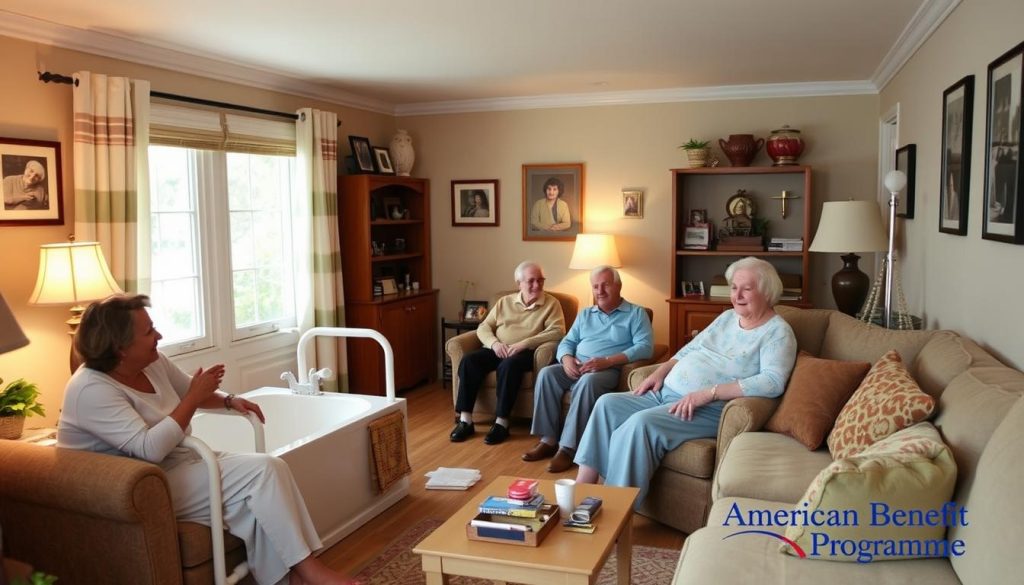
    Making changes at home is vital to keep seniors independent. Adding grab bars, ramps, and more light can help avoid falls14. Changes like walk-in showers and higher toilet seats make the bathroom safer. Higher toilets help with posture and are easier on joints. Lowering countertops helps those with less mobility do everyday tasks14.

    Practical Tips for Home Modifications

    Here are some tips to make homes safer and easier to get around:

    • Put grab bars in key spots like bathrooms. This costs $100 to $50015.
    • Choose walk-in showers over tubs. They’re safer and cost $10,000 to $12,00015.
    • Make doorways wider for walkers or wheelchairs. This costs $700 to $2,500 per doorway15.
    • Add lever faucets in kitchens for easier use. This helps those with arthritis.
    • Think about the cost of wheelchair ramps. They range from $950 to $3,00015.

    These changes help seniors live safely and comfortably. For more on home changes, check out resources for senior citizens.

    senior independence resources

    Utilizing Assistive Devices

    Assistive devices are key in helping seniors live freely. They include aids for moving around to tech for daily tasks. With these tools and senior programs, older people can do their daily activities more safely.

    Types of Assistive Devices for Daily Living

    Seniors have many devices designed for their needs:

    • Mobility Aids: Canes, walkers, and wheelchairs help a lot in preventing falls16.
    • Medication Management Devices: These help seniors take medicine on time, cutting down missed doses by 75%16.
    • Health Monitoring Devices: These help manage long-term health issues, improving user health by 60%16.
    • Communication Devices: They lower loneliness by half, keeping seniors in touch with friends16.
    • Smart Home Devices: These lower accidents at home by 40%16.
    • Personal Emergency Response Systems (PERS): They make emergency help arrive 70% faster16.

    Overcoming Resistance to Assistive Technology

    Sometimes seniors doubt tech because of wrong ideas or bad past experiences. Teaching them about tech benefits helps a lot. Like, brain games boosted memory and focus by 30%. It proves tech can help the mind stay sharp.

    Using tablets increased interest in new things by 45%. It helps seniors learn about the world. We should also tell them about places that offer free tech help. This support is key for their independent living.

    Creating a Supportive Environment for Seniors

    It’s important to make a supportive place for seniors. This helps them get help while staying independent. We aim to create an environment where older people can thrive at their own speed. Families and caregivers play a big role. They help seniors keep dignity and self-reliance.

    Balancing Support and Independence

    Good support for seniors means seeing what they can do and helping them when needed. About 25% of older Americans are not very active. This shows how key it is for them to move more17. Being involved in daily activities boosts their health and mind. Programs aimed at seniors offer help and encourage them to live an active life.

    Emotional Support as a Foundation for Independence

    Emotional support is very important for seniors to feel independent. Sadly, 17% of them feel alone, which hurts their mental and emotional health17. Programs that help them make friends are very important18. Talking openly, being understanding, and community services are crucial. They help seniors share their needs and wishes, which keeps them independent.

    Engaging Senior Support Organizations

    It’s very important for the happiness of elders to connect with senior support groups. These groups help seniors get to the resources and help they need. They make sure seniors are part of their community and feel important.

    Finding Local Senior Advocacy Groups

    Seniors should look for local groups that stand up for their rights and offer help. These groups understand what seniors need because of age, like help with moving around or feeling sad. The National Council on Aging (NCOA) knows of over 11,000 places where seniors can go every day19. Such places help seniors find out about health, money, and programs just for them.

    Utilizing Senior Assistance Programs

    Senior programs are important because they help elders live on their own. Some programs focus on staying healthy, and others help with memory problems20. Senior centers also have activities that bring young people and elders together19. Eating right is important too, and there are groups that help with that21. Using these services helps seniors stay fit and make new friends21 and20.

    Online Resources for the Elderly

    Today’s technology helps seniors feel more connected. It fights loneliness by offering many online tools. Platforms like social media and video calls help them keep in touch. They also find online places that boost their sense of power and community involvement.

    How Technology Can Enhance Connectivity

    More seniors are using tech today. It helps them feel happier. They can talk to family and find groups that share their hobbies. Tools online help them know about events and activities. This makes sure they feel part of something, giving emotional support and independence.

    Online Educational Opportunities for Seniors

    Seniors have many chances to learn online. They can study things like art or tech. Groups offer webinars and classes to help them with digital skills. This lets them try new hobbies and ideas.

    Many websites help seniors learn how to use the internet better. This makes learning easier and more useful. With help, seniors can improve their lives a lot.

    senior empowerment resources online

    Conclusion

    Helping older adults feel powerful is important for a good life. The number of seniors is rising. Many have disabilities. There are many helpers out there for them. This includes care for themselves, making choices, and strong support for freedom. With help, families and caregivers can help seniors with daily problems. This lets them be in charge of their lives.

    It’s key to fix problems that stop seniors from getting help. Like, it’s hard for some to get to the doctor, travel, or find a place to live22. Being alone too much can also make them feel sad22. If we teach people and get the community involved, seniors will know they can ask for help22. Places like senior centers and groups that fight for seniors’ rights make a big support net23.

    To make seniors’ lives better, we need many plans. With the right tools and help from the community, older adults can do well. We should help seniors talk about health care and make their own choices. This helps them get to the services they need24. Working together to help seniors be independent, happy, and social can make their future bright.

    Source Links

    1. Guide to Community Resources for Seniors
    2. How Can Empowering Seniors Enhance Their Quality of Life?
    3. Empowering Independence: How VitalCaring Supports Seniors in Living Their Best Lives
    4. Elderly Empowerment: Keys to a Healthier Life
    5. Health Empowerment Theory as a Guide for Practice
    6. Senior Resources – Empowered Senior
    7. Home – Empowered Aging
    8. 10 Self-Care Activities for Seniors for Health and Happiness
    9. 5 Ways to Empower Seniors to Age Gracefully and Comfortably | All in All Home Care
    10. Promoting Independence: Empowering Seniors in Integrated Community Care
    11. Elderly Empowerment Workshops
    12. Empowering Seniors: 11 Proven Strategies For Active Participation In Senior Care Facility Activities
    13. Empower Residents with a Holistic Approach to Activities
    14. Empowering Independence: Top Home Modifications for the Elderly
    15. Aging in Place Home Adaptations
    16. How Assistive Devices Empower the Elderly – SMPL Technology
    17. “Empowering Elderly Care: Nurturing a Supportive and Inclusive Community” – Nurses For Care, INC
    18. Independence: How We Help Older Adults Thrive
    19. How Senior Centers Empower Older Adults
    20. The 50 Best Websites for Seniors: Empowering Older Adults with Information and Services
    21. Empowering Seniors: Tips for Community Engagement and Support
    22. Empowering Seniors with Disabilities: Advocacy and Support Strategies – Pathways Home Health and Hospice
    23. Senior Community Services: Seniors are empowered toward exploration and self-discovery
    24. Empowering Seniors to Make Informed Healthcare Decisions | Resort Lifestyle Communities
  • Top Healthy Aging Tips for Lifelong Vitality

    Top Healthy Aging Tips for Lifelong Vitality

    Have you ever wondered why some people age gracefully? Others may not have it so easy. Getting older is more than just having more birthdays. It’s about making those years as good as they can be. To stay healthy and vibrant, things like exercise, eating well, and being social are key.

    Studies show that people over 40 who walk more than 8,000 steps a day live longer. They do better than those who walk less. This article will give you great tips on staying healthy as you get older.

    Key Takeaways

    • Regular physical activity can significantly enhance longevity and reduce disease risk.
    • Adopting a Mediterranean diet can lower the risk of heart disease and improve overall cognition.
    • Proper sleep quality is essential for reducing risks of chronic health issues.
    • Strong social connections have a profound impact on lifespan.
    • Making healthy lifestyle choices can dramatically improve quality of life as you age.

    Understanding Healthy Aging

    Aging gracefully means keeping your mind, body, and soul healthy as you get older. People often think aging brings health problems and less energy. But, research shows older adults can stay very healthy. It’s important to live healthily to have a good life.

    What Does It Mean to Age Gracefully?

    To age with grace is to live a life that’s good for your body and mind. It’s about keeping up friendships, thinking sharp, and following aging well tips. Tips like eating lots of fruits and veggies are key. You should try to eat five servings every day for the best results1. Moving your body helps you stay healthy too. People who walk 8,000 steps daily often live longer1.

    Common Myths About Aging

    Many common myths about aging wrongly say getting older means getting weaker or lonelier. But really, having friends is super important. Not having enough social ties can lead to memory troubles or feeling very sad2. Another false story is that seniors can’t be active. Activities like tai chi can stop falls and help with moving smoothly2.

    Healthy Aging Tips: Prioritizing Physical Health

    Keeping your body healthy is key as you get older. It’s good to move around for 2.5 hours every week3. This helps you feel better and live longer. Choose fun activities so you’ll want to keep doing them. For grown-ups, it’s better to keep your BMI between 25 and 274.

    Importance of Regular Exercise

    Moving your body does more than just make you strong. It lowers your chance of getting sick and boosts your mood. Older folks who stay active live better lives. Sometimes, things like not being able to move well can get in the way4. Picking goals you can reach helps you stick with your plan.

    Strategies for Staying Active

    There are fun ways to stay in shape as you age. Make sure to move throughout the day. Not just during exercise time. Some ideas are:

    • Taking walks with friends to stay socially engaged.
    • Joining local classes, like yoga or dance, that align with your interests.
    • Using household chores or gardening as potential workout substitutes.

    Watch your waist size too; it tells you about health risks. Women should keep it under 35 inches and men under 40 inches4. Volunteering helps you move and makes you less lonely3. Eating lots of fruits and veggies is key, too. Try for five servings a day to fight off diseases3.

    healthy aging tips for physical health

    Exercise Recommendations Health Benefits
    Aim for 2.5 hours per week Reduced chronic disease risk
    Include strength training Improved muscle mass and strength
    Practice balance and flexibility exercises Enhances mobility and reduces fall risk
    Monitor BMI (25-27) Lower risks of certain health conditions

    Using these tips can help you age well and stay happy.

    Nourishing Your Body for Longevity

    Eating well is key for seniors to stay healthy and live longer. It’s important to eat healthy foods. This way, you can avoid sickness and feel more lively as you get older.

    Mediterranean Diet Benefits

    The Mediterranean diet includes olive oil, whole grains, and fish rich in omega-3. This diet is great for the heart and mind. It makes seniors feel better. Small changes, like eating more healthy fats from avocados and nuts, help a lot5 and6.

    Colorful Eating Habits: The Rainbow Plate

    It’s important to eat fruits and vegetables of all colors. A plate full of different colors is not just nice to look at. It also gives you many vitamins and minerals you need for a healthy life. Vitamins like A, C, and E keep you healthy and improve your skin. Calcium and magnesium make your bones strong5.

    Food Group Benefits
    Fruits Rich in vitamins and antioxidants, improve heart health.
    Vegetables High in fiber and essential nutrients, support digestion and immunity.
    Whole Grains Provide fiber, reduce the risk of heart disease and diabetes.
    Nuts Improve heart health, reduce risk of premature death when consumed regularly.
    Lean Proteins Help maintain muscle mass and support overall health as you age.
    Healthy Fats Lower cholesterol levels and improve cardiovascular health.

    Eating different foods makes meals fun and is good for seniors. It helps them live a better and longer life. Learning about colorful eating and the Mediterranean diet is a big help7.

    The Role of Sleep in Aging Well

    Good sleep is key for staying healthy as we get older. Older folks need 7 to 9 hours of sleep each night. They often change their sleep times, going to bed and waking up earlier8. Sadly, insomnia is the biggest sleep problem for people over 608. They may take a long time to fall asleep or wake up often during the night8. This can make them feel very tired during the day.

    How Sleep Affects Physical Health

    Sleep is important for staying healthy. Bad sleep can lead to serious illnesses. Older adults may have sleep issues like sleep apnea. If not treated, it can cause high blood pressure or even a stroke8. Other problems, like restless legs syndrome, also disturb sleep8. Studies show bad sleep can make you more likely to die sooner. This shows how vital good sleep is for a long life9.

    Tips for Improving Sleep Quality

    There are ways to sleep better. Make sure your sleeping area is safe. This means having working smoke alarms and secure windows and doors8. You can also try things to help you fall asleep. Like counting slowly or tensing and relaxing your muscles8. If you still can’t sleep well, it might be time to see a doctor8.

    tips for improving sleep

    Emotional Resilience and Mental Health

    Aging brings lots of big life changes. It can be hard to deal with them10. Being emotionally strong helps older people handle changes like retirement or losing someone they love10. Studies found that really old people, like those over 100, are super good at this. People aged 94-98 with high emotional strength are more likely to reach 10010. This makes them happier and healthier.

    Coping with Change as You Age

    Life changes a lot as you get older. Being alone too much can lead to heart problems and memory issues11. Doing things that challenge your brain is good. It can make your memory better11. Things like staying connected with friends and practicing mindfulness help a lot. They fight off loneliness and worry1112.

    Engaging Your Mind with Lifelong Learning

    Learning new things is key for a sharp mind. Studies show it’s really helpful for people over 6011. Trying new things, like art therapy, helps slow down memory problems from dementia11. Knowing about your mental health and getting help when needed is important. It can reduce sadness and worry, which affects up to 25% of people over 6512.

    Building Strong Social Connections

    Making good social connections is very important for older people. It helps them live longer and stay healthy. Having friends lowers stress, anxiety, and sadness. So, staying social as we age is key.

    The Importance of Staying Connected

    Studies show that keeping in touch with people is good for the brain. It helps older folks remember better (source). Being alone too much can make them feel very down or even get sick in their minds. It can lead to diseases like dementia and depression (source).

    Old people might not see friends due to health issues or not being able to move well. Losing friends makes this worse. This can make them get sick with things like heart disease or diabetes because they’re not talking to people much1314.

    Joining groups or helping out can make them feel better. It gives them a reason to be happy (source: source). Learning new things can also bring more friends and close bonds1314. Talking to family, joining church groups, and using technology helps keep their friend circle strong.

    Fixing health problems that stop them from being social is smart. Like if they can’t hear well, they might feel even lonelier1315). Being active for 150 minutes a week is good for their body and mind. It also helps make friends by doing fun activities together14.

    Healthy Lifestyle Choices for Seniors

    Seniors need to make smart choices to stay healthy and full of life. Simple anti-aging steps can make a big difference in how good they feel.

    Quitting Smoking: Benefits at Any Age

    Stopping smoking is great for people of all ages. It can improve blood flow, cut down cancer risk, and help you live longer. When you quit, you not only feel better physically, but you also feel less stressed and anxious.

    Managing Alcohol Consumption

    Older adults should be careful with alcohol since it can harm them more. Drinking less is key. It helps to avoid too much alcohol to keep the mind and body sharp. Eating well and drinking wisely lowers health risks.

    Regular health check-ups find problems early. This leads to quicker treatment. Check-ups, good food, and less bad habits mean a better life for seniors. Healthy Aging talks about this importance161718.

    Staying Mentally Sharp

    Keeping our minds sharp as we grow older is key. Using fun brain exercises helps a lot. These activities make sure our brains stay working and healthy over time. It’s important to know how brain work and sharp minds are linked. This helps us enjoy life more.

    Brain Exercises and Activities

    Brain exercises are super important. Things like puzzles, memory games, and solving problems are great for our brains. Science says people who do these stay sharper as they get older19. Doing these often makes our brain paths stronger. This helps keep our minds clear.

    Engaging Hobbies for Cognitive Health

    Seniors have many fun hobbies. From painting to crafting, these need thinking and spark joy. Other hobbies like gardening, reading, or learning new things keep the brain going. Research shows socializing and hobbies like quilting or digital photography help memory20. Eating colorful fruits and veggies also helps the brain. They are nutritious and fun19.

    Brain Activities Benefits
    Puzzles Enhances problem-solving skills
    Memory Games Improves memory retention
    Reading Stimulates imagination and comprehension
    Gardening Encourages physical activity and reduces stress
    Crafting Helps maintain fine motor skills and creativity

    It’s key for seniors to use brain exercises and fun hobbies to stay sharp21.

    Conclusion

    Following tips for healthy aging can make your life better. Being active for 150 minutes a week is key. Also, drink 6-8 glasses of water every day2223. Eating healthy, like the Mediterranean diet, is good for both your body and your brain23.

    Keeping your mind sharp is also important. Do puzzles and read often22. Stay close to friends and manage stress well. Don’t forget to see your doctor regularly22. By doing these things, you’ll live a longer and happier life.

    Source Links

    1. 20 Tips for Healthy Aging – CareCredit
    2. Scientific Tips for Healthy Aging
    3. Live long, be well: Science-based tips for healthy aging | NIH MedlinePlus Magazine
    4. Health Tips for Older Adults – NIDDK
    5. 7 Tips for Healthy Aging for Older Adults – NurseRegistry
    6. Habits to Form Now for a Longer Life
    7. Top Longevity Strategies for Seniors: Achieve Healthy Aging
    8. A Good Night’s Sleep
    9. Sleeping Well, Aging Well: A Descriptive and Cross-Sectional Study of Sleep in “Successful Agers” 75 and Older
    10. How to Build Resilience in Older Adults (Hint. It’s NOT diet and exercise)
    11. Mental Health Tips for Healthy Aging
    12. 7 Ways Older Adults Can Manage Their Mental Health
    13. How Social Connections Promote Healthy Aging
    14. Loneliness and Social Isolation — Tips for Staying Connected
    15. Social Relationships – Center for Healthy Aging
    16. Healthy Living For Seniors: How To Live A Healthy Lifestyle
    17. Healthy Aging Tips for Older Adults
    18. Healthy Aging: Strategies for Staying Active and Independent
    19. Tips to Stay Smart, Sharp, and Focused
    20. Cognitive Health and Older Adults
    21. 9 Tips to Keep Your Brain Sharp and Healthy as You Age
    22. Healthy Aging Tips for Seniors: 8 Ways to Stay Healthy in 2024
    23. Tips on Healthy Aging | Welcome Health